


How to Avoid the Biggest Vacancy Pitfalls: The Indianapolis Investor’s Guide to Fast Make-Readies

In the Indianapolis real estate market, vacancy is often viewed as a passive expense: a line item on an annual P&L statement that most investors simply accept as part of the business. However, for the sophisticated investor, a vacant unit is more than just lost rent; it is a breakdown in the operational system.
When a property sits empty in Broad Ripple, Carmel, or Fishers, the cost isn't just the $1,500 or $2,500 in missed monthly revenue. The true cost includes the compounding interest of holding costs, the disruption of property management focus, and the subtle degradation of the asset’s market reputation.
The difference between a three-day turnover and a three-week turnover isn't usually found in the speed of the paintbrush. It is found in the framework used to manage the transition. Avoiding the biggest vacancy pitfalls requires moving away from reactive "firefighting" and toward a system built on calm, predictable execution.
The Reactive Trap: Why Turnovers Stall
The most common pitfall for Indianapolis investors is the "Wait and See" approach. Many owners wait until the tenant has officially handed over the keys before they even begin to assess the scope of work. By the time a contractor is called, walked through the property, and scheduled, ten days of potential occupancy have already vanished.
This reactive stance creates a domino effect. If the painter is booked out two weeks, the floor installers are delayed. If the cleaning crew arrives before the drywall is finished, the unit needs a second cleaning. These friction points are the primary drivers of extended vacancy.
At Sanz Global LLC, we view speed not as haste, but as a product of preparation. High-velocity turnovers happen when the work is choreographed before the unit is even empty.
Pitfall 1: Starting the Make-Ready Too Late
Research suggests that the most successful landlords begin their turnover process 30 to 60 days before a lease ends. This involves confirming the renewal decision early and performing a pre-move-out inspection.
When you identify that a unit will become vacant, you have a window of opportunity to schedule your primary vendors: painting, flooring, and cleaning, well in advance. The goal is to have a crew crossing the threshold the morning after the tenant vacates.
Waiting until Day 1 of vacancy to find a vendor is a strategy for losing money. For those managing multiple units, the velocity of turnover is the most critical metric for maintaining a high ROI.
Pitfall 2: The "Good Enough" Standard and the Cost of Callbacks
In a rush to minimize vacancy, it is tempting to cut corners on the "make-ready" quality. This is a strategic error. A sub-par paint job or a missed repair doesn't just lower the quality of the tenant you attract; it often results in "callbacks" during the first week of a new lease.
Every time a maintenance person has to return to a unit after a tenant has moved in, it costs you. It costs you in labor, in tenant satisfaction, and in the "distraction tax" on your property manager’s time.
The Standard of Certainty is about getting the unit right the first time. Using durable finishes: such as choosing the right eggshell vs. satin finish: ensures that the unit stays in "rent-ready" condition longer, reducing the scope of the next turnover.
Pitfall 3: Fragmented Vendor Management
Managing five different vendors for a single turnover is a recipe for delay. When the painter doesn't show up on Monday, the flooring guy can't work on Tuesday, and the entire schedule collapses.
Sophisticated investors delegate the finish to a single, reliable partner who can handle the bulk of the interior renovation. This reduces the points of failure. Instead of five phone calls, you make one. This is the philosophy of choosing systems over effort. Your time as an investor is better spent scouting the next deal than coordinating paint swatches and cleaning schedules.

High-Impact Updates That Speed Up Leasing
In the competitive Indianapolis market, your unit needs to stand out during the showing process. If your marketing photos look like every other "standard" rental, you are competing solely on price. To compete on value and speed up the leasing process, certain updates offer a higher return on effort than others.
1. The Power of a Fresh Palette
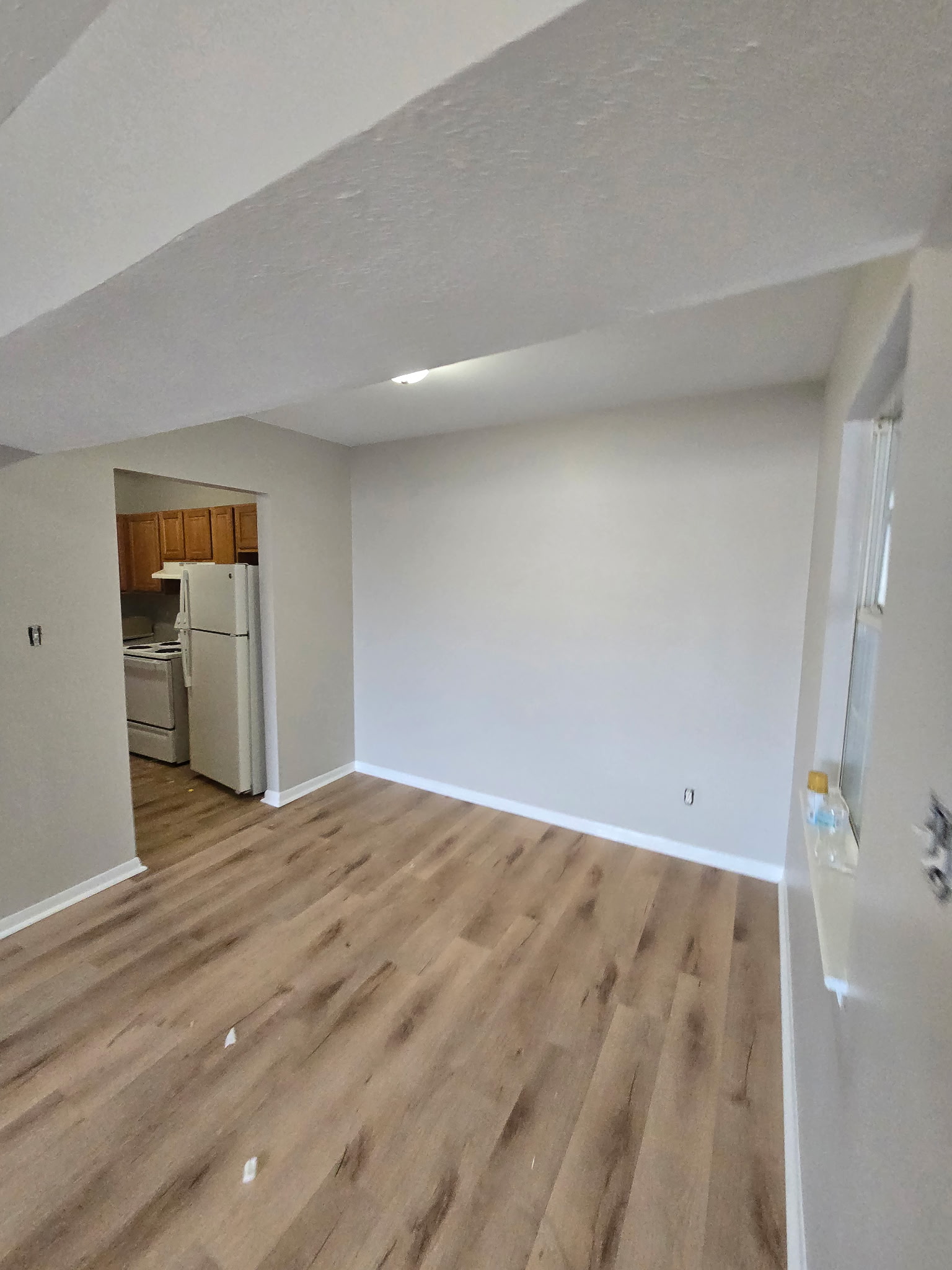
A fresh coat of paint is the most cost-effective way to transform a space. Modern, neutral tones: think light grays and warm whites: make units feel larger and cleaner. This isn't just about aesthetics; it’s about signaling to a prospective tenant that the property is well-maintained.
2. Bathroom Resurfacing
Replacing a bathtub is a multi-day, high-cost endeavor. However, tub reglazing can make a stained, dated bathroom look brand new in a fraction of the time. It is a "hack" that high-volume investors use to maintain a luxury feel without the luxury price tag or the timeline of a full demolition.

3. Flooring Continuity
Moving away from carpet in high-traffic areas toward luxury vinyl plank (LVP) or consistent laminate flooring makes the unit easier to clean and faster to turn over in the future. It also photographs significantly better, which is vital for your online listings.
Pricing Errors and Marketing Gaps
Even the most beautiful unit will sit vacant if the pricing and marketing are misaligned. Indianapolis neighborhoods like Broad Ripple and Carmel have high demand, but renters are savvy.
Pricing: Use data-driven comps rather than guesswork. A unit priced $50 too high might sit for an extra month, costing you $2,000 in lost rent to chase an extra $600 in annual revenue.
Marketing: Professional photos are no longer optional. A dark, blurry photo taken on a smartphone will extend your days-on-market. Your make-ready partner should leave the unit in a "camera-ready" state so your marketing can go live the moment the paint is dry.
A Framework for Fast Make-Readies
To keep occupancy high, we recommend a "Standardized Make-Ready Framework":
Standardized Materials: Use the same paint colors and flooring across your entire portfolio. This allows for quick touch-ups and eliminates the "which beige is this?" guesswork.
The 48-Hour Assessment: Within 48 hours of a move-out notice, have a scope of work defined.
The Single-Vendor Solution: Partner with a firm like Sanz Global LLC that understands the specific needs of property managers and investors.
Rigorous Screening: Never sacrifice screening quality for speed. A "fast" tenant who ends in an eviction is the most expensive mistake you can make.
The Choice of Optionality
As an investor, you have two paths. You can spend your weeks managing the minutiae of apartment make-ready services, or you can implement a system that operates with or without your direct involvement.
The goal is to create a "turnkey" experience for yourself, not just for your tenants. When the turnover process is systematized, vacancy becomes a controlled variable rather than an unpredictable crisis.
If you are looking to refine your turnover process and reduce the friction between "Lease End" and "Move In," we invite you to explore our approach to painting and renovation services. Excellence in the finish is what allows you to move with confidence in the market.
For those ready to move beyond the common failures of apartment maintenance, you may book a consultation or reach out to our team to discuss your portfolio’s specific needs. Consistent results aren't a matter of luck; they are a matter of choosing the right partners.
Comments