


The 2025 Rental Property Owner's Guide to Value-Driven Painting and Drywall Upgrades in Indianapolis

Most rental property owners approach painting and drywall as reactive maintenance, something you deal with when a tenant moves out or when damage becomes visible.
That framing costs you money.
The difference between maintenance and a value-driven upgrade isn't always the scope of work. It's the timing, the intent, and the understanding of what you're actually buying.
The Economic Logic of Painting and Drywall
Every day a unit sits vacant, you're absorbing carrying costs without revenue. The Indianapolis rental market moves quickly when units show well. It stalls when they don't.
Fresh paint and clean drywall aren't cosmetic indulgences. They're friction reducers.
A unit that photographs well and shows clean attracts better tenant prospects faster. That compression of vacancy time, even by a week or two, changes the math on what qualifies as a reasonable investment.
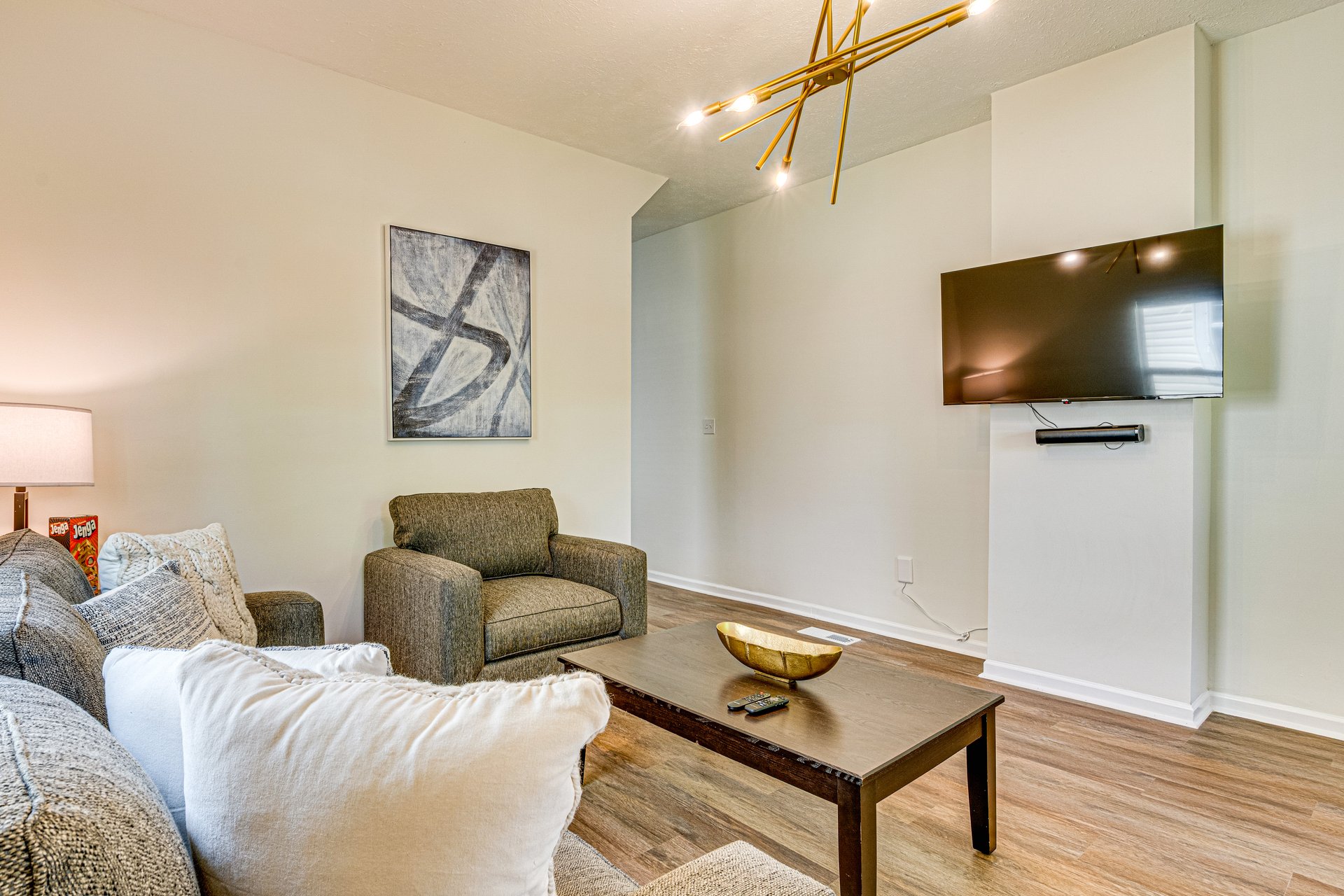
Beyond vacancy costs, there's tenant retention. Residents stay longer in units that feel maintained. Painting between tenants is expected. Proactive upgrades during occupancy signal something different, that you're managing an asset, not just collecting rent.
What Qualifies as Value-Driven
Not every painting project adds value. Some just restore what's been lost.
Baseline maintenance includes patching holes, refreshing scuffed walls, and matching existing colors. You're returning the unit to its prior condition. Necessary, but not strategic.
Value-driven upgrades involve decisions that reposition the unit: updated color palettes that photograph better, transitions to more durable finishes in high-traffic areas, or drywall repairs that eliminate recurring issues instead of patching them again.
The distinction matters because the ROI calculation is different.
Maintenance is a cost you can't avoid. Upgrades are discretionary investments where you're choosing to spend now to capture future value, either through higher rents, faster leasing, or reduced turnover.

Timing: When Upgrades Make Sense
There are three windows where value-driven painting and drywall work tends to deliver the strongest return.
Between tenants is the most obvious. The unit is empty, access is unrestricted, and you're already incurring vacancy costs. This is when you can execute larger projects without disruption.
Pre-lease renewal is less common but worth considering. If you're approaching a lease expiration with a quality tenant, proactive improvements can justify a rate increase and extend retention. The cost of the upgrade is often less than the cost of turnover.
Market repositioning happens when you've decided to shift your rent tier. If you're moving from mid-market to a higher bracket, painting and drywall upgrades aren't optional, they're the baseline for that positioning.
The worst time to upgrade is reactively, in the middle of a tenancy, because damage has forced your hand. You've lost control of the timing and the cost.
The Indianapolis Market Context
Indianapolis remains a landlord-friendly environment with steady rental demand, but supply has increased. That means your unit is competing not just on price, but on presentation.
Neighborhoods vary significantly. What works in Broad Ripple doesn't necessarily translate to Fountain Square or the near-eastside. Understanding your submarket's expectations is part of the calculus.
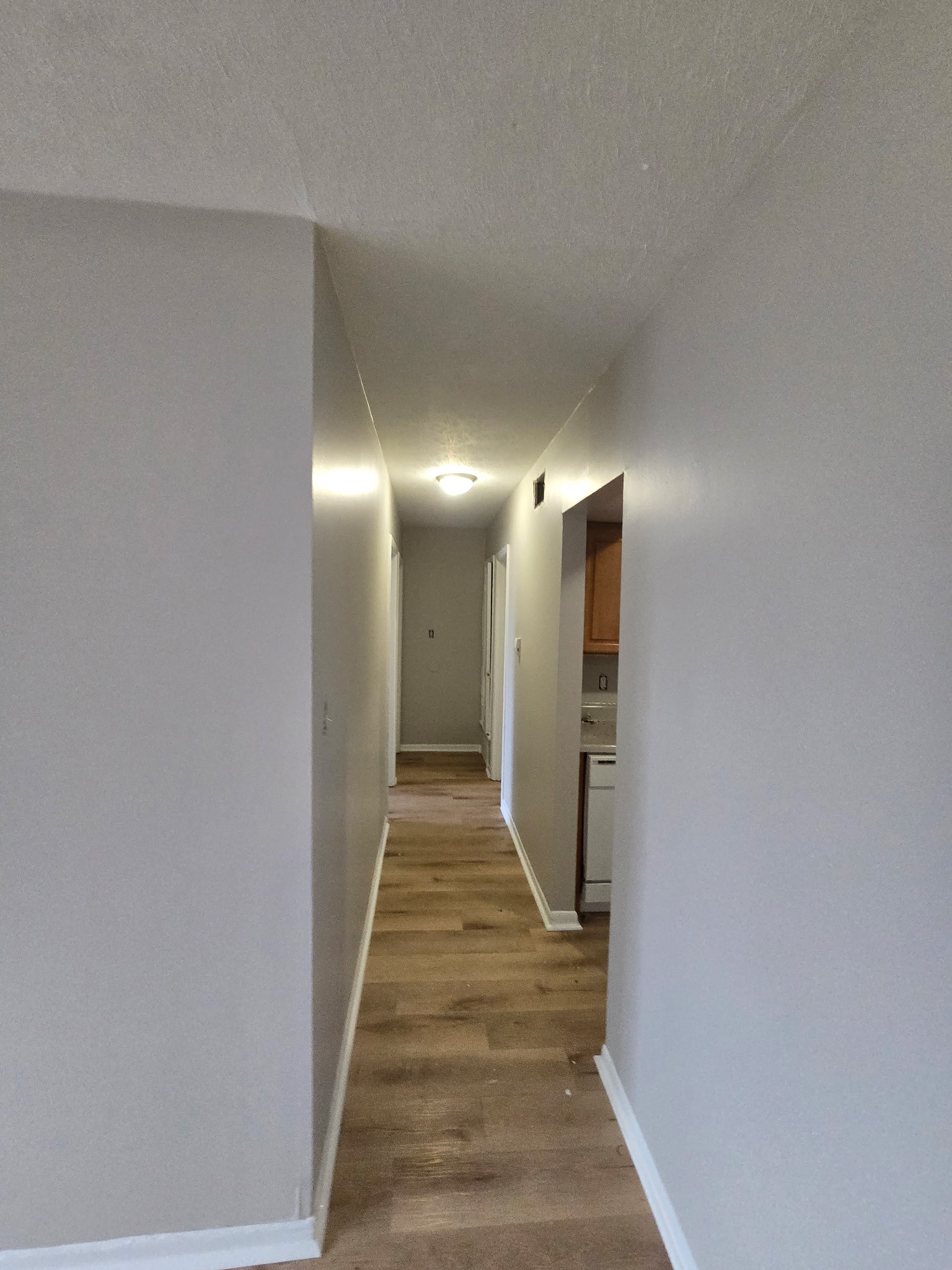
Working with painters in Indianapolis who understand rental property dynamics is different than hiring residential contractors. The speed, the finish standards, and the cost structure are calibrated differently. You're not trying to create a showpiece. You're trying to create a leasable unit on a timeline that minimizes vacancy.
Similarly, drywall repair in Indianapolis isn't one-size-fits-all. Some properties need fast patches to get a unit back online. Others benefit from addressing underlying moisture issues or structural settling that causes recurring cracks. Knowing which situation you're in changes the scope and the value equation.
A Framework for Decision-Making
When evaluating whether a painting or drywall project qualifies as value-driven, ask three questions.
Does this reduce future friction? If you're patching the same wall for the third time, the value might be in solving the root cause, not repeating the fix.
Does this compress time or expand optionality? A unit that shows better leases faster and often attracts multiple applications. That gives you leverage in tenant selection.
Does this support a deliberate positioning strategy? If you're trying to command above-market rent, your finishes need to support that ask. If you're competing on value, your focus is durability and cleanliness, not luxury details.

If the answer to all three is no, you're likely looking at maintenance, not an upgrade. And that's fine. Maintenance has its place. But don't confuse the two when you're evaluating spend.
Finish Quality and Material Choices
The Indianapolis climate, with humid summers and freeze-thaw cycles in winter, puts specific demands on paint and drywall systems. Interior finishes deal with moisture migration, especially in older buildings without modern vapor barriers.
For rental properties, durability matters more than aesthetics. Washable paints in high-traffic areas. Moisture-resistant drywall in bathrooms and kitchens. These aren't premium upgrades, they're cost avoidance strategies.
Higher-end finishes can make sense in certain contexts, but only if your rent structure and tenant profile support the differential. Luxury vinyl plank and designer paint colors don't increase value if your unit sits vacant because you've overbuilt for the market.
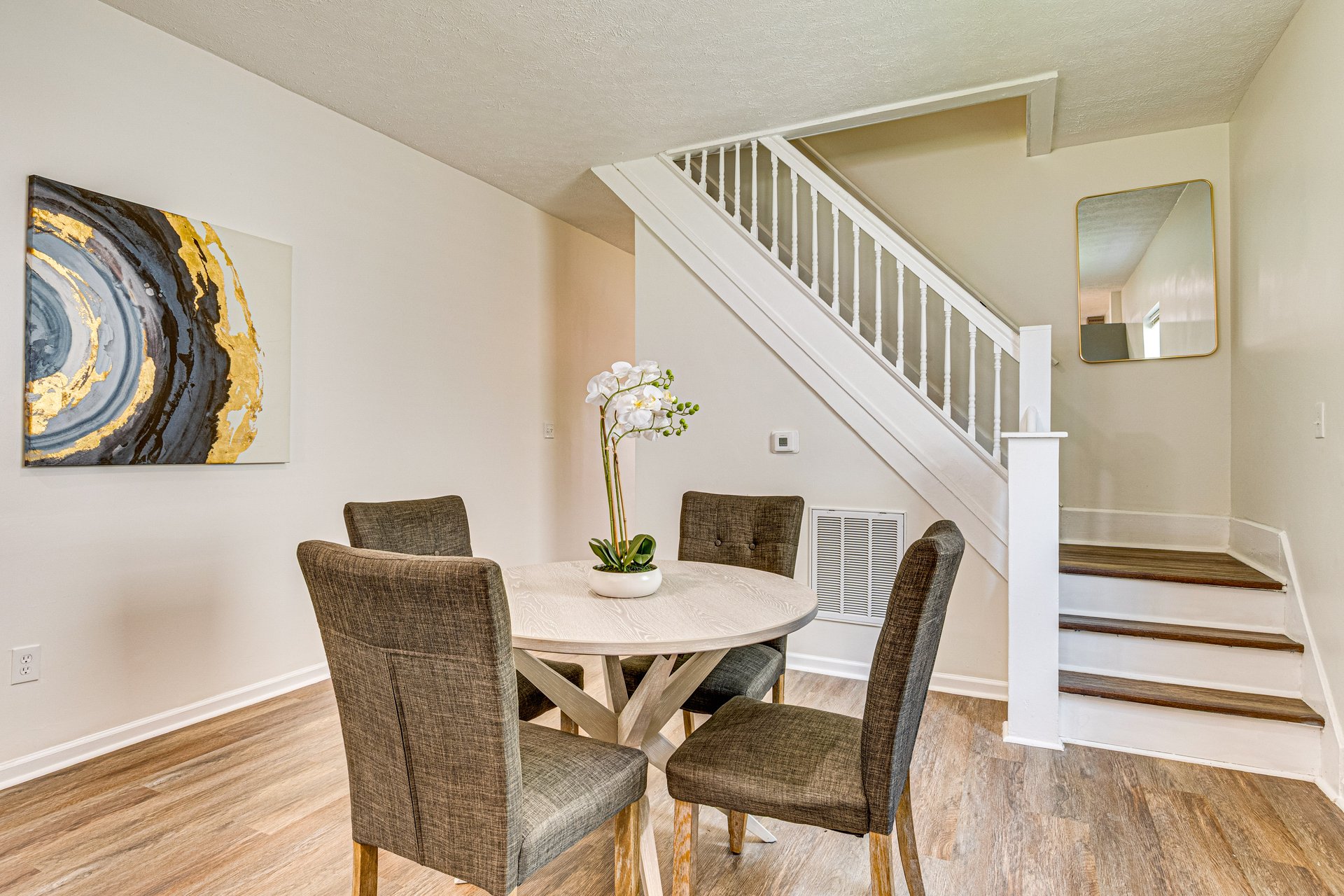
The goal is alignment: your finishes should match your positioning, your tenant expectations, and your local competitive set.
What Execution Actually Looks Like
Most rental property owners don't have time to manage contractors, source materials, or coordinate schedules. That's the hidden cost that doesn't show up in estimates.
Value-driven work isn't just about what gets done. It's about how much of your attention it requires.
If you're spending hours coordinating painters, following up on punch lists, and managing quality issues, the true cost of the project is higher than the invoice. Your time has a carrying cost, especially if it's pulling you away from higher-value activities like acquisitions, tenant relations, or portfolio strategy.

Systems matter more than individual effort. Reliable execution delivered on predictable timelines with minimal oversight: that's what changes the ROI on painting and drywall work.
The Quiet Math of Delegation
There's a cost to doing it yourself and a cost to coordinating it yourself. Both are real, even if they don't appear in your P&L.
If a painting project takes three weeks because you're managing it in fragments around your schedule, and that delays lease-up by two weeks, the cost isn't just the contractor invoice. It's the lost rent, the extended carrying costs, and the opportunity cost of what else you could have been working on.
Rental property ownership rewards decision-making, not task execution. Knowing when to delegate: and to whom: is part of the strategy.
The information here is free. The execution is always optional. If you're managing a portfolio in Indianapolis and you'd rather focus on acquisitions than contractor management, that's a choice worth considering.
You can explore professional painting services or simply reach out if a conversation would be useful.
Comments