


7 Mistakes You’re Making with Exterior Maintenance (And How to Fix Them Before the Indy Winter)

In the world of Indianapolis real estate investment, the transition from autumn to winter isn't just a change in weather: it is a financial pressure test.
For property managers and investors, the exterior of a building is more than curb appeal; it is a protective shell. When that shell is compromised by small, overlooked failures, the harsh Indiana winter has a way of turning minor maintenance gaps into major capital expenditures.
At Sanz Global LLC, with over 20 years of experience in property restoration and exterior painting services, we have seen how the freeze-thaw cycles of the Midwest can punish the unprepared. The difference between a profitable portfolio and a liability-heavy one often comes down to the systems you put in place before the first snowfall.
Here are the seven most common mistakes investors make with exterior maintenance: and the strategic shifts required to protect your ROI.
1. The "Wait and See" Strategy on Gutter Clearing
One of the most expensive mistakes an owner can make is assuming that gutters "look clear enough." In Indianapolis, the late-fall leaf drop often coincides with early freezing rain. When gutters are clogged with debris, water cannot flow away from the structure.
When that trapped water freezes, it creates an ice dam. This doesn't just damage the gutter itself; it forces moisture upward, under the shingles and into the soffits. By the time you see a brown spot on a tenant’s ceiling, you are no longer looking at a "maintenance" task: you are looking at a full-scale drywall repair and potential mold remediation.
The Fix: Implement a non-negotiable cleaning schedule after the last major leaf drop but before the temperature stays below freezing. It is a system designed to prevent the "cost of distraction" that comes with emergency mid-winter leak repairs.

2. Ignoring the Hairline Fracture: Caulking and Sealing
Wood and masonry are porous. They breathe. However, when the protective seal around windows, doors, and trim begins to crack, they also absorb.
In a climate like ours, moisture enters these small cracks during the day. At night, it freezes and expands. This cycle happens dozens of times between December and March. This expansion widens the gap, allowing more water in, which eventually leads to wood rot and compromised structural integrity.
The Fix: Conduct a "envelope audit." Look for gaps where different materials meet: such as where wood trim meets brick or where window frames meet the siding. Addressing these with high-performance, flexible sealants is a low-effort, high-impact way to maintain the property's integrity.

3. Underestimating the Liability of Entryways
Winter in Indianapolis is synonymous with ice. For property managers, an uneven walkway or a loose handrail isn't just a maintenance issue: it is a significant liability risk.
Frost heave can cause concrete steps to shift or wooden deck boards to pop. If a tenant or guest slips because a handrail wasn't secured or a step was uneven, the resulting legal and insurance complications far outweigh the cost of a pre-winter punch list completion.
The Fix: Walk your properties specifically looking for trip hazards and grip stability. Secure loose boards, tighten railing bolts, and ensure that exterior lighting is functioning perfectly. Short daylight hours mean your tenants will be navigating these spaces in the dark more often than not.
4. Treating Exterior Paint as Purely Cosmetic
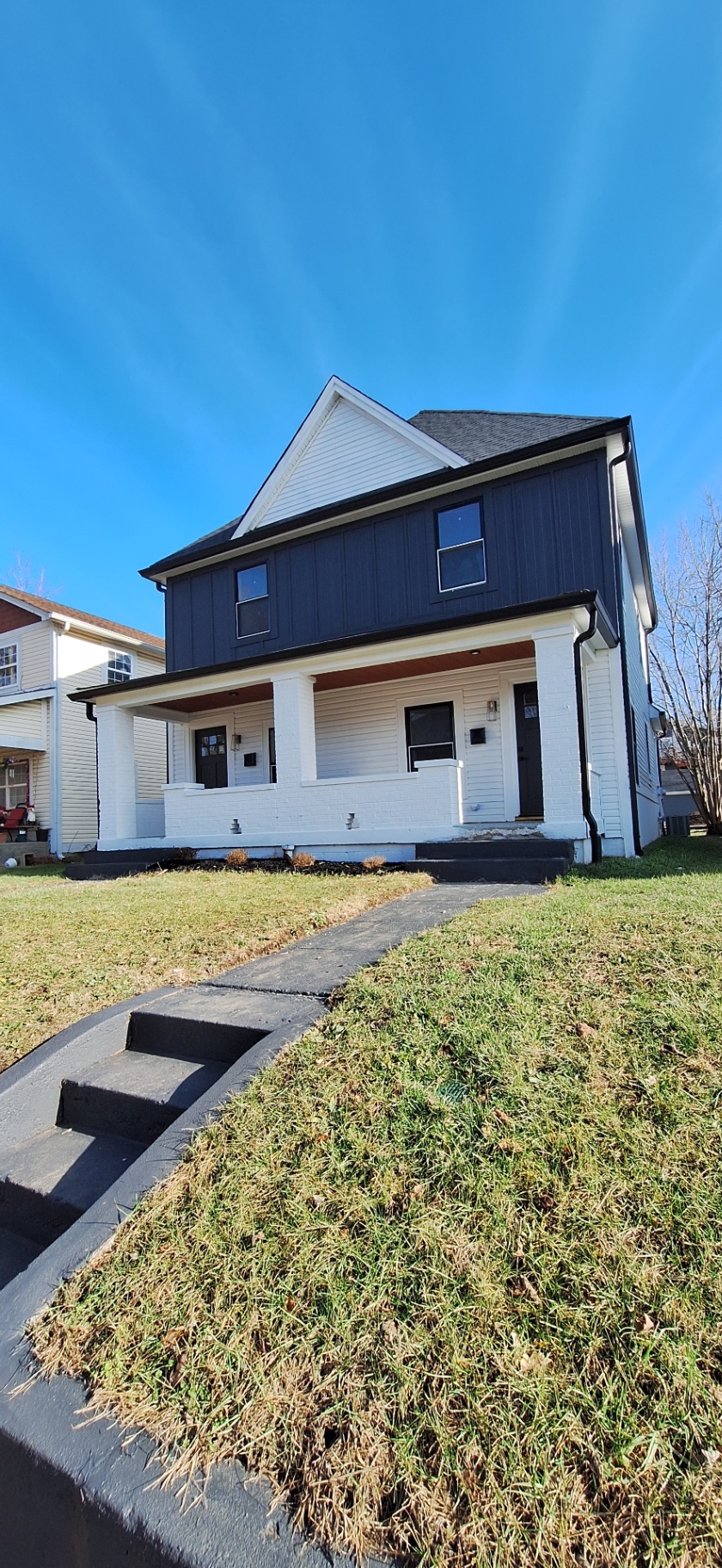
Many investors view painting as a "make-pretty" task used only during a unit turnover. This is a strategic error. High-quality exterior paint is a technical coating designed to shield the building from UV rays and moisture.
When paint begins to chalk, peel, or crack, the underlying substrate: whether it is wood siding or brick: is exposed to the elements. Once the wood begins to gray from weather exposure, a simple paint job is no longer enough; you are now looking at extensive sanding, priming, and potentially replacing sections of siding.
The Fix: Move from a "reactionary" painting model to a "preservation" model. If you see signs of failure, address them before the winter moisture sets in. A fresh, professional coating preserves the asset's value and reduces the frequency of more invasive repairs.
5. The "Silent Leak": Neglecting Exterior Plumbing
It is a common oversight: the outdoor hose bib that wasn't disconnected or the irrigation system that wasn't blown out. Because these lines are often hidden in crawlspaces or behind rim joists, a burst pipe may go unnoticed for weeks.
In Indianapolis, a single night of sub-zero temperatures is all it takes. The resulting water damage can destroy insulation, rot flooring, and lead to massive utility bills that the owner often ends up disputing or absorbing.
The Fix: Standardize your winterization process. Disconnect all hoses, install insulated covers on faucets, and ensure irrigation systems are professionally drained. This is a classic case of systems over effort.
6. Forgetting the Landscape's Impact
Trees are an asset to property value, but in the winter, they can become a liability. Dead or overhanging branches that seem harmless in the summer can snap under the weight of an Indiana ice storm.
If a branch falls on a roof or a power line, the cost of distraction is high: relocating tenants, filing insurance claims, and managing emergency contractors. Furthermore, shrubs that grow too close to the siding trap moisture against the building, preventing it from drying out and accelerating rot.
The Fix: Trim back any vegetation that touches the building and remove deadwood from large trees. Keeping a clear perimeter around the structure allows for better airflow and reduces the risk of storm damage.
7. Choosing Effort Over Systems
The final mistake is perhaps the most fundamental: trying to manage these tasks piece-meal or attempting a DIY approach to professional-grade problems.
As a real estate investor, your time is your most valuable asset. Spending your weekends or your maintenance team's limited hours on a ladder is rarely the best use of resources. True luxury in property management is the "optionality" of execution: knowing that the work is being done to a standard of certainty without your direct intervention.
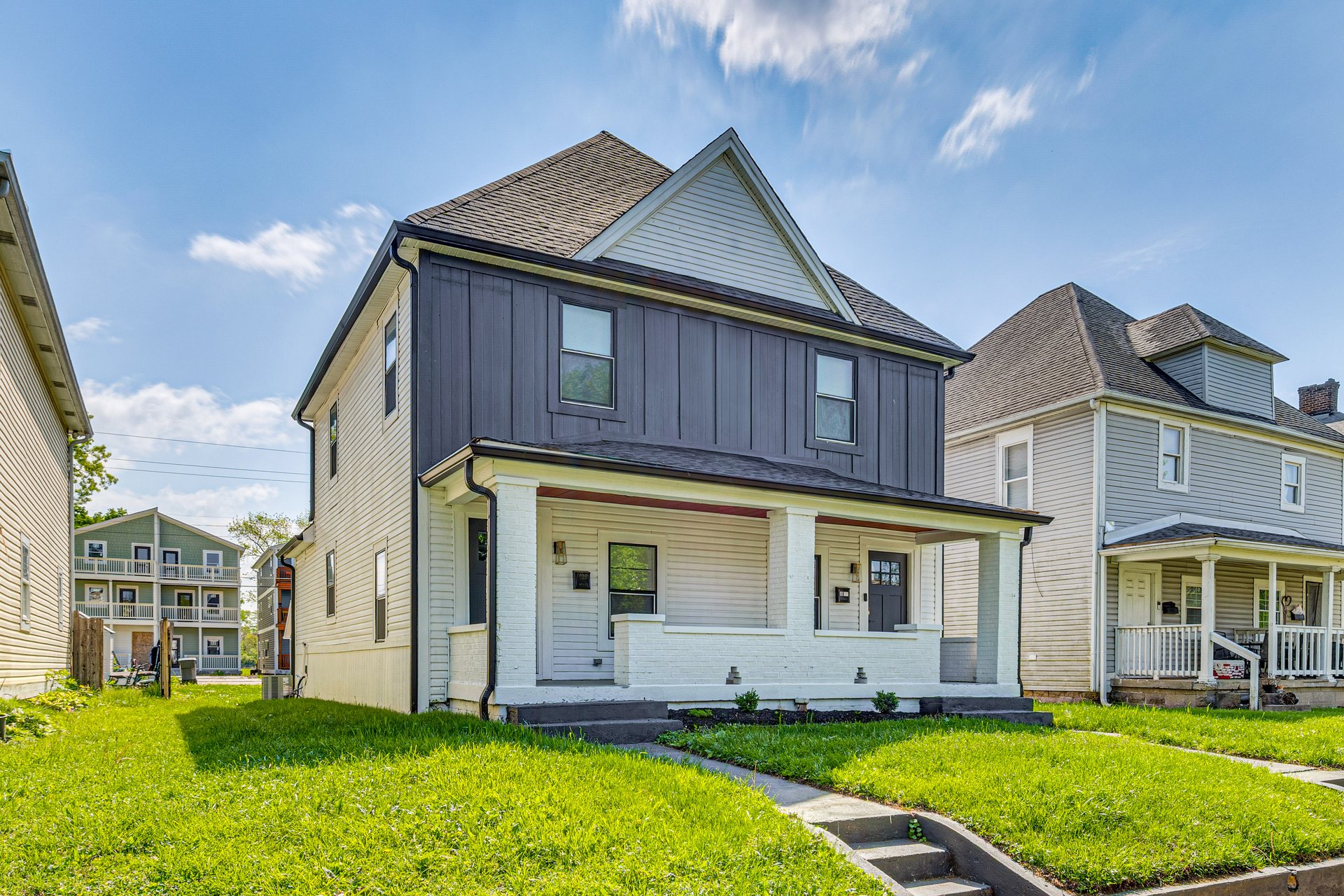
At Sanz Global, we specialize in helping investors move from a state of constant "firefighting" to a state of strategic maintenance. Our full renovation services are designed to minimize the stress of property ownership while maximizing the return on your investment.
The Calm Before the Snow
Exterior maintenance is not a "cost": it is an insurance policy against the entropy of the seasons. By addressing these seven areas now, you ensure that your properties remain high-value, your tenants remain safe, and your winter is defined by stability rather than emergencies.
Information is free, but execution is the differentiator. Whether you are managing a single-family home or a large apartment complex in the Indianapolis area, the standard you set today will determine your success when the temperature drops.
If you are ready to transition your portfolio to a higher standard of care, we invite you to book an estimate or explore our previous projects to see how we transform the "optional" into the "exceptional."
Comments