


Does Your Curb Appeal Really Matter in 2026? Here’s the Truth for Indy Investors

In the Indianapolis rental market of 2026, the "drive-by" isn't just a physical act; it’s a digital one. Before a prospective tenant even sets foot on your gravel or pavement, they’ve already "thin-sliced" your property through a series of high-resolution photos and Google Street View.
If your exterior looks like a relic of the early 2000s: or worse, a neglected "fixer-upper" that never got fixed: you’ve likely lost them in under seven seconds.
But does curb appeal actually translate to dollars and cents for a seasoned real estate investor? Or is it just expensive window dressing? Let’s look at the psychology, the data, and the strategic trade-offs of investing in your property’s "face" in the current Indy market.
The Psychology of the "Swipe Left"
In environmental psychology, there’s a concept known as the "Approach vs. Avoidance" response. Within 30 seconds of seeing a building, the human brain makes an unconscious decision: Do I want to move deeper into this space, or do I want to move away?
For a renter, the exterior of your property is a proxy for the quality of your management. Peeling paint on the trim or a stained entryway isn't just an aesthetic flaw; to a tenant, it's a "Keep Out" sign. It signals that if you don't care about the part of the building everyone sees, you certainly won't care about the leaking faucet or the HVAC filter they’ll deal with inside.
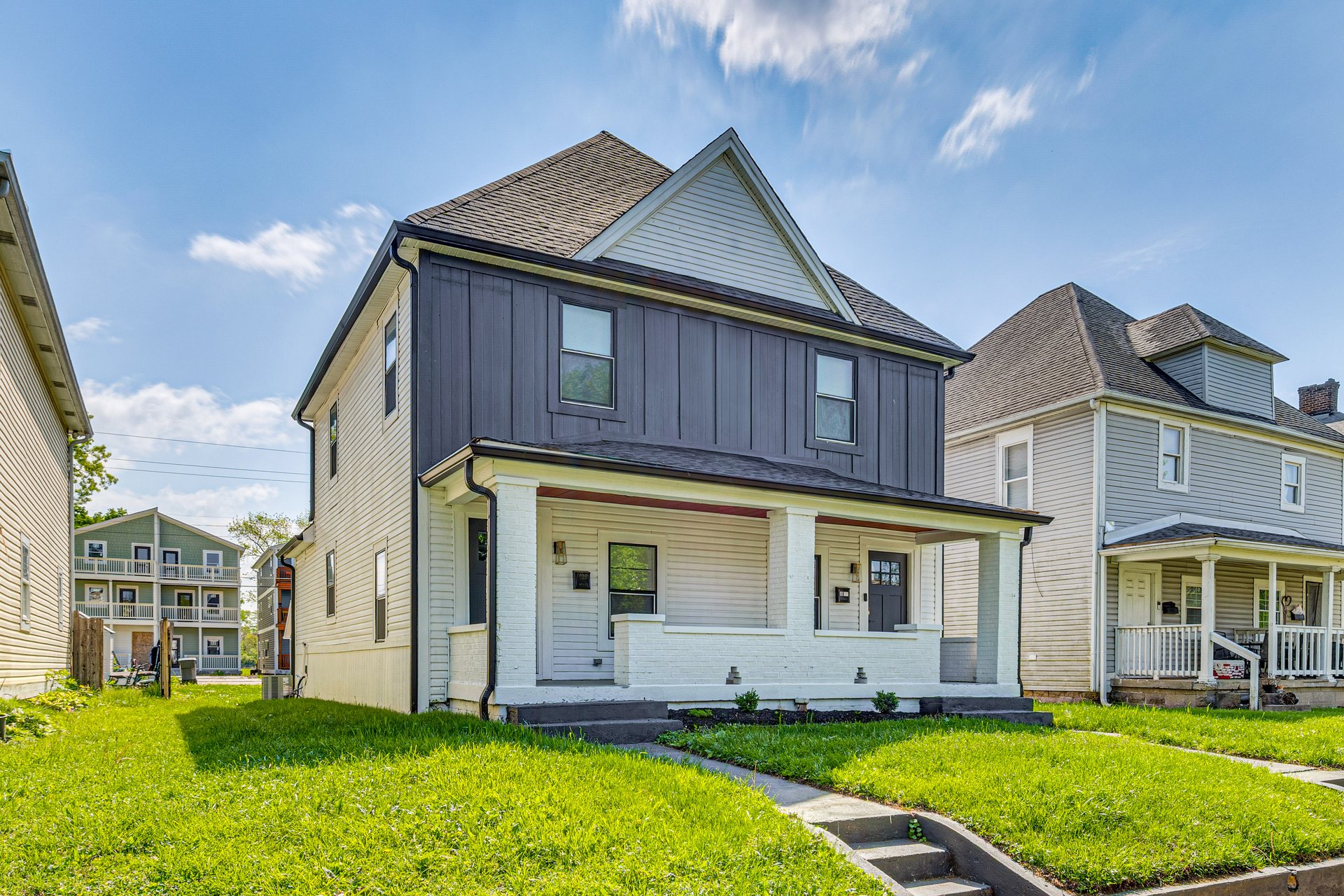
This is what we call the Halo Effect. A crisp, modern exterior creates a mental shortcut for the tenant: “This place is well-run, safe, and worth the premium.” Once that positive impression is set, they spend the rest of the tour looking for reasons to confirm they like it, rather than scanning for flaws to justify walking away.
The Data: ROI in the Circle City
While many investors focus purely on interior "make-ready" checklists, the math for exterior renovations in Indianapolis is surprisingly aggressive. As we navigate mid-2026, Indy remains a top turnkey market with projected appreciation rates of 4–6%. In this environment, the goal isn't just to rent the unit: it's to maximize the rent-to-price ratio.
Consider the "Ghost Unit" phenomenon. Every day a unit sits vacant because a prospect did a drive-by and decided not to call, you are losing money that you can never recover. The cost of vacancy is always higher than the cost of a proactive renovation.
Data suggests that strategic curb-appeal upgrades: such as modern exterior painting, power-washing, and updated lighting: can allow for rent premiums of $50 to $100 per month in competitive Indy neighborhoods. If you spend $3,000 on an exterior refresh that nets you an extra $900 a year in rent and reduces vacancy by just two weeks, your project-level ROI on that spend is nearly 50% in the first year alone.
Beyond the Paint: The Pillars of First Impressions
At Sanz Global, we’ve spent over 20 years observing how investors prioritize their spend. True curb appeal in 2026 is about more than just a bucket of "Agreeable Gray." It’s about systemic consistency.
1. The Face of the Property: Exterior Painting
Painting is the highest-leverage renovation you can perform. In a city like Indianapolis, where the winters are harsh and the summers are humid, a professional exterior coat is both a marketing tool and a protective shield. We focus on color palettes that convey authority: think deep charcoals, crisp whites, and sophisticated navy tones that stand out against the typical beige landscape of the Midwest.
2. The Detail Work: Glazing and Trim
Investors often overlook the "small" things that prospects fixate on. A freshly stained porch or high-contrast trim on the steps signals a level of detail that luxury tenants expect. Even if the building is older, the quiet authority of a well-maintained property allows you to command a price that outpaces the "tired" units down the street.

3. The "Punch" and Clean
The transition from the sidewalk to the front door is the most critical 20 feet of the showing. This is where "punch list" items: loose railings, cracked mailboxes, or dirty siding: can kill a deal. A professional 5-step framework for make-ready services ensures that the grounds are janitorial-clean and the exterior is flawless before the first showing is ever booked.
The Luxury of Optionality
For the high-level real estate investor, the question isn't whether you can manage these renovations yourself. The question is whether you should.
The most successful investors we work with in Indianapolis view their time as their most valuable asset. They understand the "Cost of Distraction." Every hour spent coordinating three different contractors for painting, cleaning, and drywall repair is an hour not spent finding their next 20-unit acquisition.
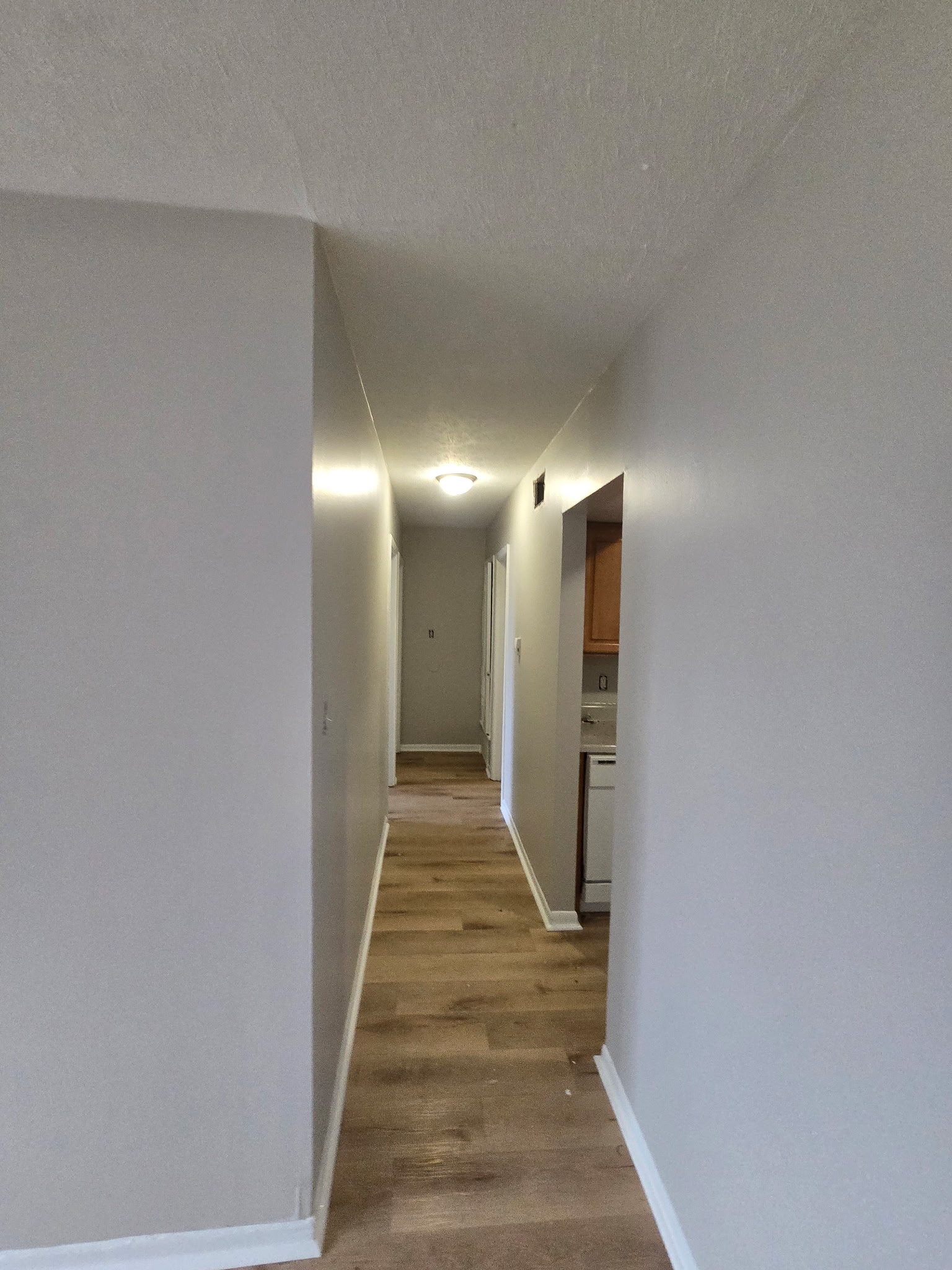
Choosing a partner who handles the entire turnover: from the exterior paint to the final hallway cleaning: is a strategic move. It replaces effort with a system.
Conclusion: A Choice, Not a Chore
Does curb appeal matter in 2026? Only if you care about tenant quality and the velocity of your turnovers. In a market where high-performance coatings and professional presentation are becoming the standard, being "average" is an expensive choice.
Execution is, of course, optional. You can continue to compete on price, or you can leverage professional renovation to compete on value.
At Sanz Global, we specialize in transforming vacant, outdated rental properties into high-value units that maximize ROI for investors who value their time. We provide the consistency and quality that allows you to focus on the big picture while we handle the "first seven seconds."
Whether you’re looking to refresh a single-family home in Broad Ripple or a multi-family complex downtown, the truth remains: if they don’t like the outside, they’ll never see the inside.
Comments