


The Ghost Unit: Why Every Day of Vacancy Costs More Than You Think

A vacant rental unit is often perceived as a pause. To many property owners in Indianapolis, it feels like a momentary silence between the noise of one tenant and the arrival of the next.
In reality, a vacant unit: the "Ghost Unit": is a silent liability. It is not merely an empty space; it is a drain on capital that compounds with every sunset. While the lack of rental income is the most obvious cost, it is often the smallest part of the total financial erosion taking place.
At Sanz Global LLC, we view property turnover not as a series of chores, but as a race against depreciation. Understanding the anatomy of vacancy is the first step toward building a portfolio that prioritizes momentum over maintenance.
The Daily Bleed: Beyond Lost Rent
When a unit sits empty, the math is often simplified to: Monthly Rent ÷ 30 = Daily Loss.
If a duplex in Broad Ripple rents for $1,500, the owner assumes the cost is $50 per day. This is a comfortable, though dangerous, miscalculation. The true daily burn rate is significantly higher when you account for the "fixed-variable" expenses that do not stop just because the tenant did.
You are still paying for property taxes. You are still paying for insurance premiums, which occasionally increase for vacant properties due to the perceived risk of vandalism or undetected water damage. You are paying for the utilities required to keep the unit at a temperature that prevents mold or pipe issues.
When you add these operational costs to the lost income, that $50 daily loss quickly climbs to $65 or $75. Over a two-week delay, you aren't just losing $700 in rent; you are absorbing nearly $1,000 in total carrying costs.

The Stagnation Tax
There is a psychological cost to vacancy that property owners often overlook. A unit that sits on the market for 30 days begins to acquire a "stigma."
In the Indianapolis market, high-quality tenants are observant. They notice when a listing has been active for weeks. They begin to wonder why no one else has claimed the space. To counter this, many owners eventually lower the rent or offer "move-in specials": concessions that further erode the annual ROI.
Speed is the only hedge against this stagnation. A unit that is refreshed, painted, and listed within 72 hours of a move-out maintains its market authority. It signals to the world that the property is managed with precision.
The Cost of Fractional Management
Many investors attempt to mitigate turnover costs by managing the renovation themselves or by piecing together a team of individual contractors. While this may look like a saving on a spreadsheet, the cost of distraction is high.
If you spend three days coordinating a painter, two days waiting for a cleaner, and another day fixing drywall mistakes, you have lost nearly a week to logistics.
Information is free; you can learn how to paint a wall or install vinyl plank flooring on any video platform. However, execution is optional. The question is not whether you can do it, but whether your time is best spent as a project manager or as an investor looking for the next acquisition.

Systems Over Effort
The Ghost Unit thrives in environments where there is no system. If every turnover feels like a new emergency, the system is broken.
In the Sanz Ecosystem, we prioritize the "Turnover Tempo." This is the predictable rhythm of moving a property from "move-out" to "market-ready." It requires a shift in perspective from viewing renovation as a craft to viewing it as a logistical operation.
Professional systems eliminate the "dead days": those 24- to 48-hour gaps where nothing happens because a contractor didn't show up or a supply was forgotten. By compressing the renovation timeline, you effectively "buy back" days of rental income that would otherwise be lost to the Ghost Unit.
The ROI of Fresh Surfaces
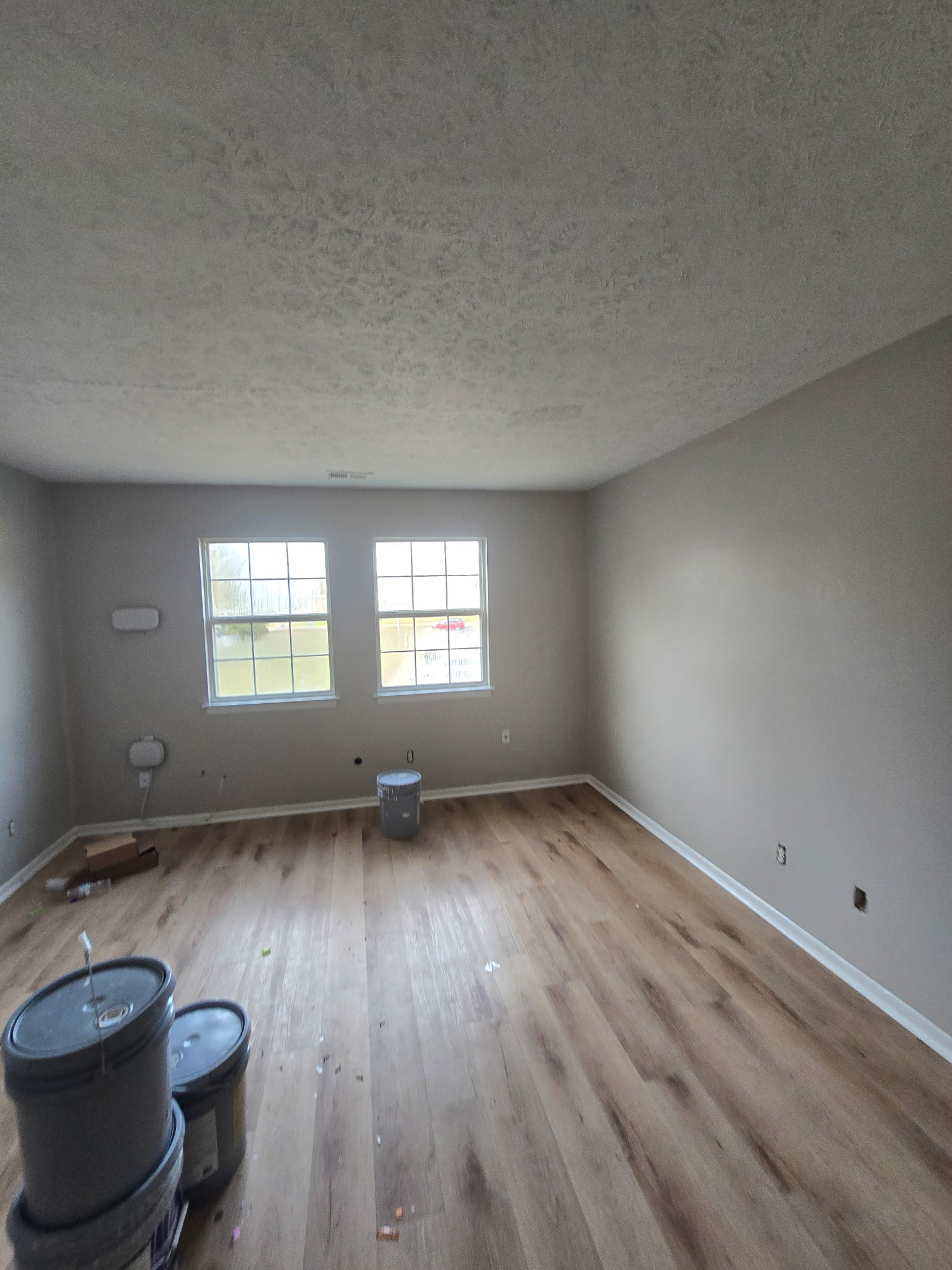
It is a common mistake to think that skipping a fresh coat of paint saves money. In reality, it often extends the vacancy.
A unit that looks "lived-in" or "tired" attracts a different caliber of tenant: someone who may be less concerned with property upkeep or who expects a lower price point. Conversely, quality interior painting and clean finishes act as a filter. They attract tenants who value their environment and are willing to pay a premium for a space that feels new.
The goal of a renovation is not just to fix what is broken. It is to reset the clock on the property's appeal. When the surfaces are crisp and the finishes are modern, the unit speaks for itself. The marketing becomes easier, the showings become more productive, and the "days on market" metric drops.
Why Indianapolis Investors Face Unique Risks
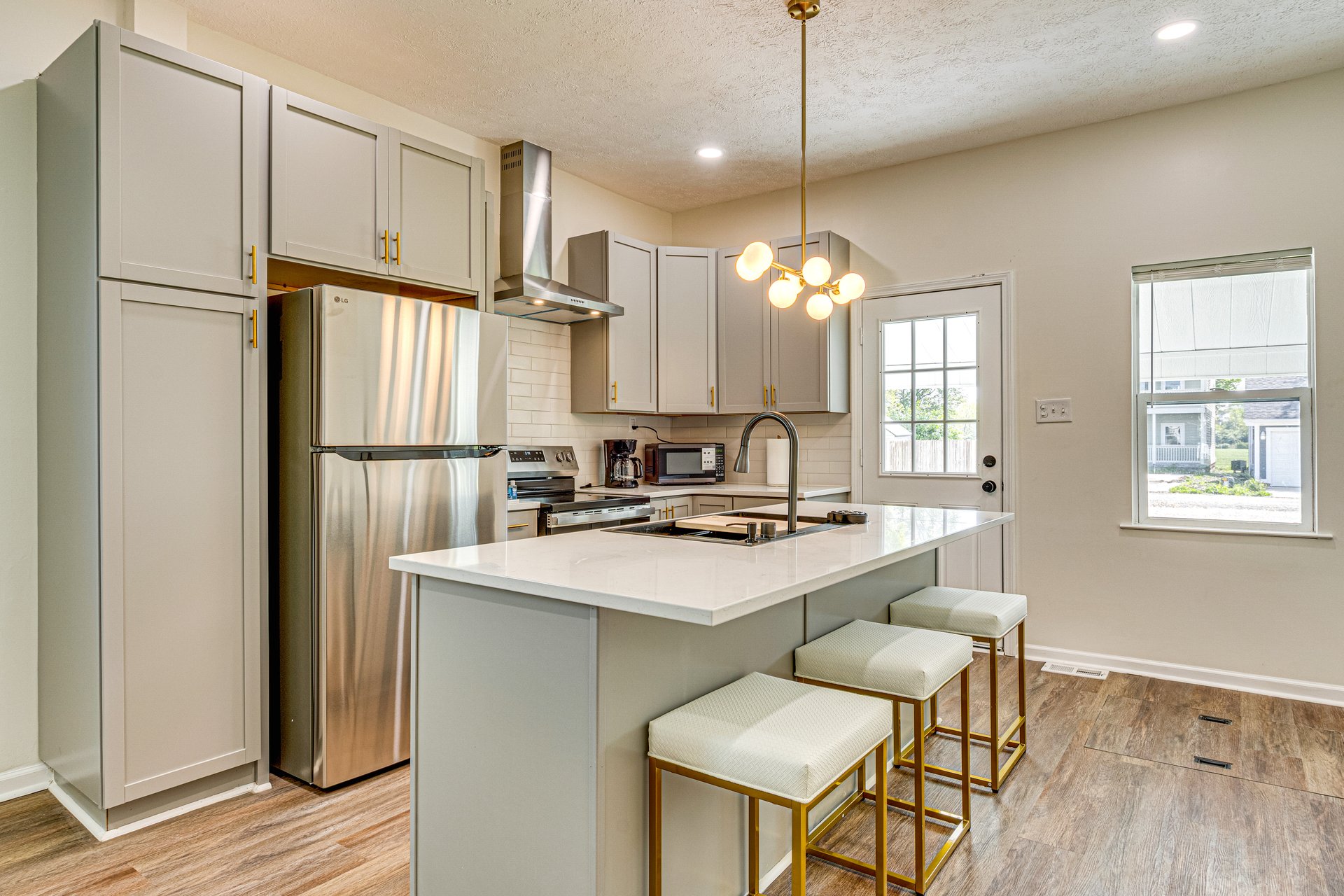
The Indianapolis rental market is robust, but it is also sensitive to seasonal shifts. A vacancy that occurs in November is far more dangerous than one that occurs in May.
If a turnover is delayed by two weeks during the winter months, you risk the unit sitting empty through the holidays: a period where tenant activity traditionally drops. What was a 14-day delay can easily turn into a 60-day vacancy.
Managing the Ghost Unit requires an understanding of these local cadences. You cannot afford to move slowly when the market is moving fast, and you certainly cannot afford to move slowly when the market is cooling down.
For more detailed strategies on this, you might find our guide on how to reduce tenant turnover expenses helpful.
The Silent Risk: Security and Maintenance
An empty unit is a target. Beyond the financial loss, there is the physical risk to the asset.
Undetected leaks are the primary enemy of the vacant unit. A small drip under a kitchen sink that would be noticed by a tenant within hours can, in a vacant unit, run for a week, destroying the subfloor and inviting mold.
Then there is the risk of unauthorized entry. Even in the best neighborhoods, a property that clearly looks vacant: no lights on, no activity, no blinds: is an invitation for trouble. The faster a unit is occupied, the safer the investment remains.
A Portfolio Built on Momentum
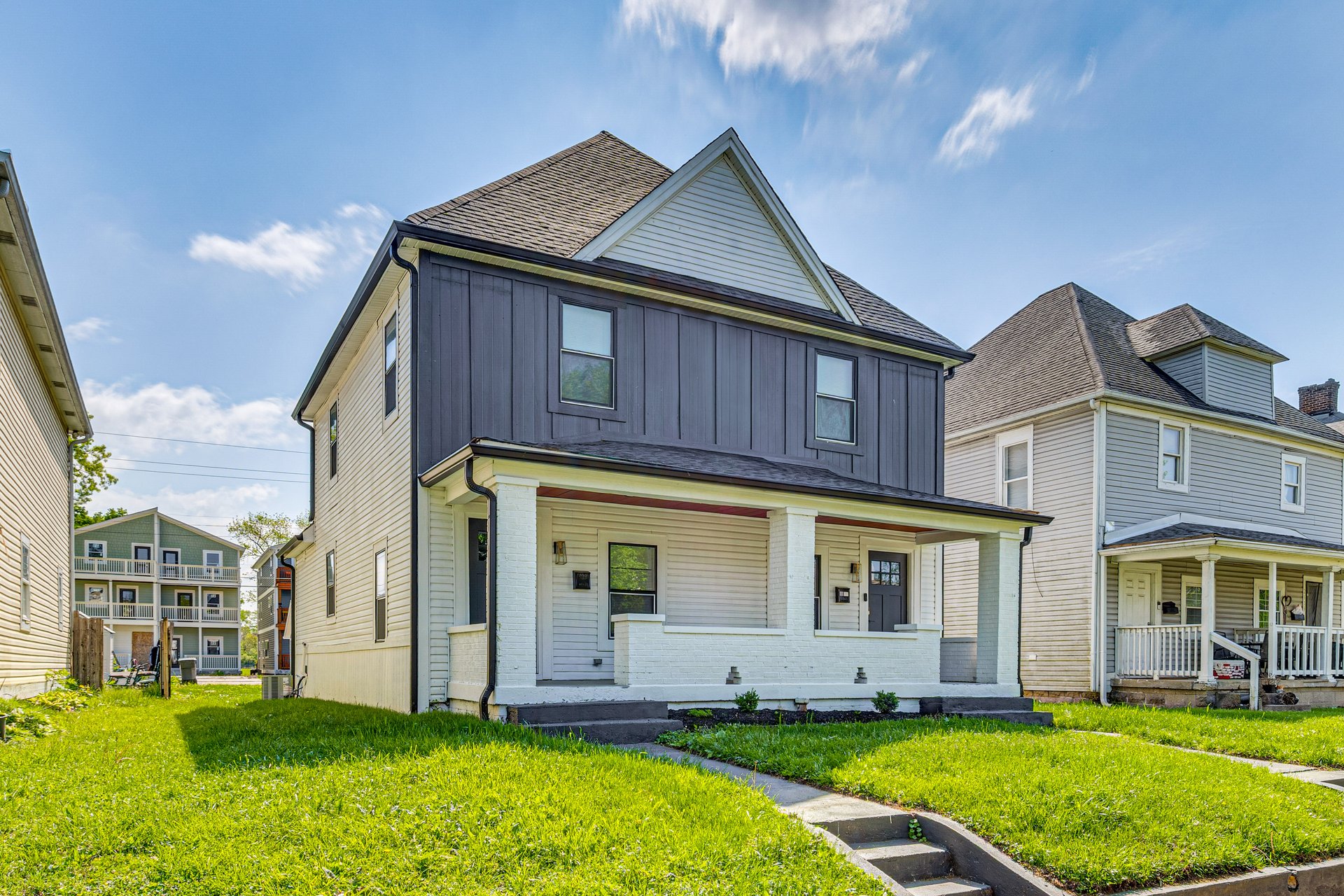
At Sanz Global LLC, we work with owners who understand that their most valuable asset isn't just the real estate: it is the time that real estate is generating revenue.
The Ghost Unit is a symptom of friction. Our role is to remove that friction. We provide the execution so that you can maintain the vision. Whether it is a full renovation or a tactical refresh, the objective remains the same: stop the bleed and restore the income.
If you are looking at your portfolio and seeing the quiet drain of vacancy, it may be time to consider the tempo of your turnovers. Information is always available on our blog, and when you are ready to discuss the systems that protect your ROI, we are here to provide the execution.
The Ghost Unit doesn't have to be a recurring character in your investment story. It is a choice between effort and systems. We choose systems.
Book a consultation or contact us to discuss how we can help you regain the momentum of your Indianapolis properties.
Comments