


7 Drywall Repair Mistakes Indianapolis Landlords Make (and How to Avoid Them)

Drywall repairs seem straightforward until they're not. Most Indianapolis landlords discover this the hard way: usually when a tenant moves in and immediately notices patchy walls, or when a security deposit dispute lands in small claims court over what you thought was "normal wear and tear."
The cost of getting drywall repairs wrong extends beyond materials and labor. Poor repairs slow down turnovers, decrease property appeal, and create friction with tenants who expect basic quality in their living space. Here are seven mistakes that consistently show up in rental properties across Indianapolis, and what they actually cost you.
1. Treating All Drywall Damage the Same
Not all holes are created equal. The nail pop from a picture frame requires different treatment than the fist-sized hole from a doorknob impact or water damage from a leaking pipe.
The mistake happens when landlords (or their maintenance teams) apply the same patch-and-paint approach to every situation. A small nail hole might only need spackle and touch-up. But larger holes require backing material, proper joint compound application in multiple coats, and careful sanding between layers.
Water damage introduces another variable entirely. The drywall might look salvageable on the surface while mold grows behind it. Treating water-damaged drywall like a simple cosmetic issue doesn't make the problem disappear: it just postpones it until it becomes more expensive.

The strategic question isn't "Can I fix this?" but "What's the actual scope of the repair, and what's the cost of getting it wrong?" A $50 patch job that fails inspection or creates tenant complaints two weeks after move-in costs significantly more than addressing it properly the first time.
2. Sanding Without Strategy
Improper sanding shows up immediately under the right lighting conditions. Uneven surfaces, visible ridges, and inconsistent texture all signal amateur work. Most tenants notice these imperfections during their walkthrough: not the best first impression for a property you're trying to rent quickly.
The common approach involves sanding with too much pressure in random patterns, which creates divots and uneven surfaces that become obvious once painted. Or worse, skipping the sanding step entirely and hoping paint will smooth everything out.
Professional results require light, consistent pressure with the right grit sandpaper, working in deliberate patterns. It also requires knowing when to add another thin coat of compound instead of trying to sand away imperfections.
This isn't information you can't find online. The difference is that knowledge and execution are separate skills. Knowing the technique doesn't automatically translate to a smooth, paint-ready surface, especially when you're working on your fourth turnover of the month and time pressure is mounting.
3. Ignoring Texture Matching
Indianapolis rentals range from 1920s homes with hand-troweled plaster to modern apartments with knockdown texture. Mismatched texture screams "patch job" even when the repair itself is structurally sound.
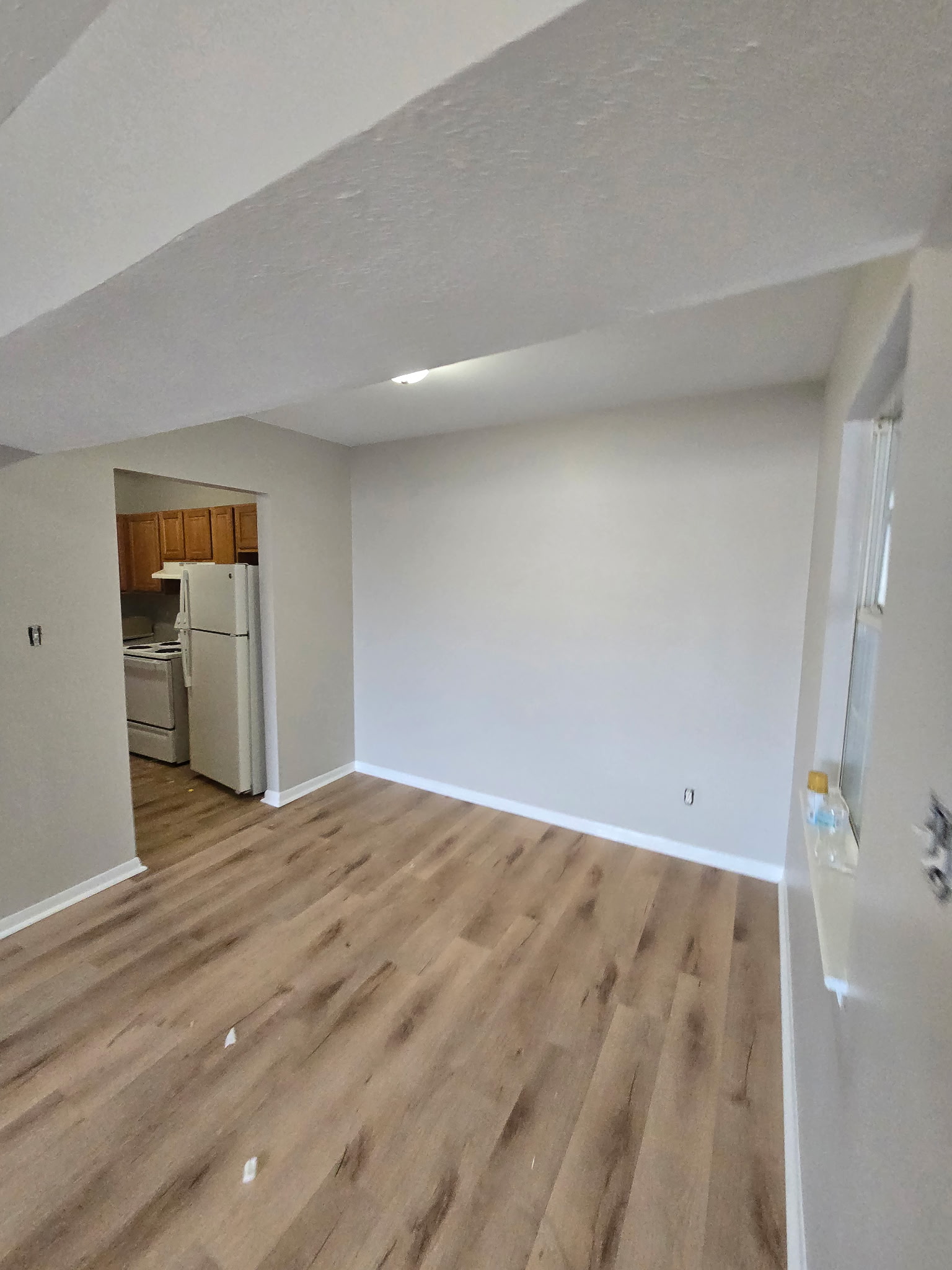
The mistake shows up when landlords repair smooth drywall in a textured room, or attempt to match orange peel texture with a spray can from the hardware store without testing it first. The result looks exactly like what it is: a visible repair that diminishes the property's overall finish quality.
Texture matching requires the right tools and technique. Sometimes it means texturing an entire wall rather than trying to blend a patch. Sometimes it means bringing in someone who does this repeatedly rather than attempting it for the first time on a property you're trying to rent by month's end.
The calculation is straightforward: Will this repair look professional enough to command your target rent, or will it give prospective tenants negotiating leverage?
4. Using Temporary Patches Between Tenants
Speed matters during turnovers, but temporary solutions have a way of becoming permanent problems. The quick patch that "just needs to last until the next tenant moves out" often lasts multiple lease cycles: and degenerates visibly over time.
Temporary repairs signal low maintenance standards to tenants. They suggest that other issues might receive similar treatment. This affects not just your ability to attract quality tenants, but also how existing tenants treat the property.
The time you save with a temporary fix often gets consumed (and exceeded) by tenant complaints, maintenance requests, and security deposit disputes. The math rarely works in favor of shortcuts.
5. Skipping Documentation
Most landlords don't think about documentation until they're sitting in small claims court trying to explain why they kept a security deposit for drywall repairs.

Without dated photos showing pre-existing damage, move-in condition, and the scope of tenant-caused damage, you're arguing from memory against a tenant who remembers things very differently. Indiana's security deposit laws favor tenants when landlords can't provide clear evidence of damage beyond normal wear and tear.
Proper documentation includes:
Photos of all walls during move-out inspection
Detailed notes about damage location and severity
Estimates or invoices from repair work
Before-and-after photos of completed repairs
This record-keeping protects you legally and provides clarity for tenants about what they're responsible for. It removes ambiguity from a process that often becomes contentious.
The investment is minimal: taking photos adds maybe 15 minutes to your inspection routine. The protection it provides is substantial.
6. Not Addressing Root Causes
Indianapolis's climate creates specific challenges for rental properties. Freeze-thaw cycles, humidity fluctuations, and seasonal foundation movement all stress drywall over time. When cracks reappear in the same location, or water stains return after repairs, the surface damage isn't the actual problem.
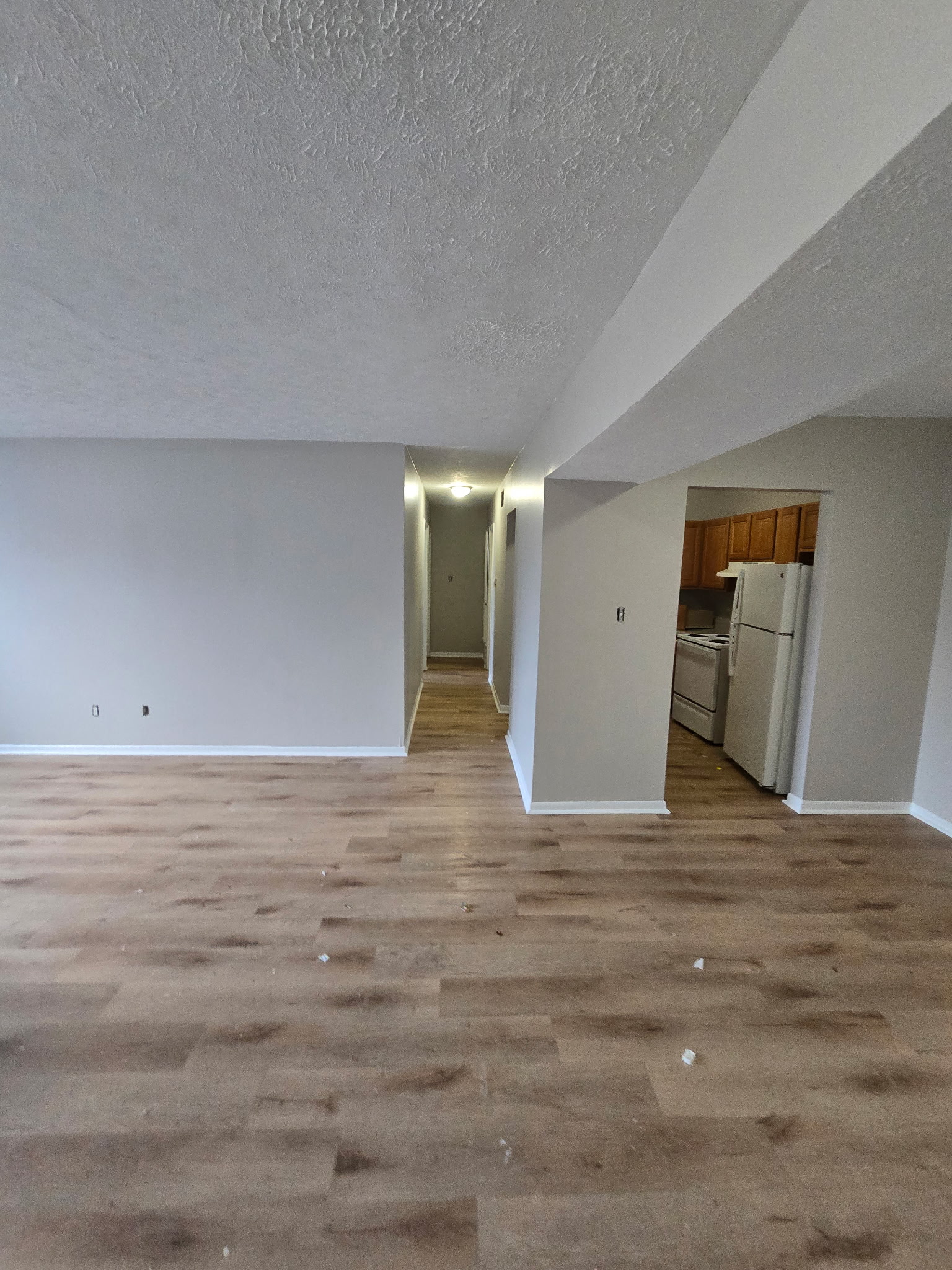
Repairing water-damaged drywall without fixing the leak guarantees you'll repair it again. Patching cracks without addressing foundation issues or structural movement means those cracks return. Each repair cycle costs money and extends vacancy time.
The smarter approach involves diagnosing why the damage occurred before determining the repair scope. Sometimes this means hiring a professional to assess the situation: not because you can't apply joint compound, but because identifying the underlying cause requires different expertise.
This is particularly relevant for older Indianapolis properties where foundation settling, outdated plumbing, and aging roofs create ongoing maintenance challenges. Treating symptoms rather than causes turns into an expensive cycle.
7. Attempting Complex Repairs Without Professional Support
There's a threshold where DIY repairs stop making financial sense. Large holes, extensive water damage, damaged corners, and anything involving mold or structural concerns fall into this category.
The cost of professional repair is visible and immediate. The cost of amateur repair that fails inspection, requires redoing, or creates tenant disputes is diffused and harder to calculate: but often higher.
Consider the opportunity cost as well. Time spent on complex drywall repairs is time not spent on higher-value activities like property acquisition, tenant screening, or addressing strategic maintenance issues. Your hourly rate as a property owner likely exceeds what you'd pay a skilled professional for the same work.
This isn't about capability: it's about resource allocation. You could learn advanced drywall repair techniques. The question is whether that's the best use of your time given your other priorities and responsibilities.
The System Behind Quality Repairs
Quality drywall repair isn't complicated, but it does require consistency. The difference between professional and amateur results usually comes down to process: proper preparation, appropriate materials, adequate drying time between coats, and attention to detail that doesn't waver based on time pressure or frustration.
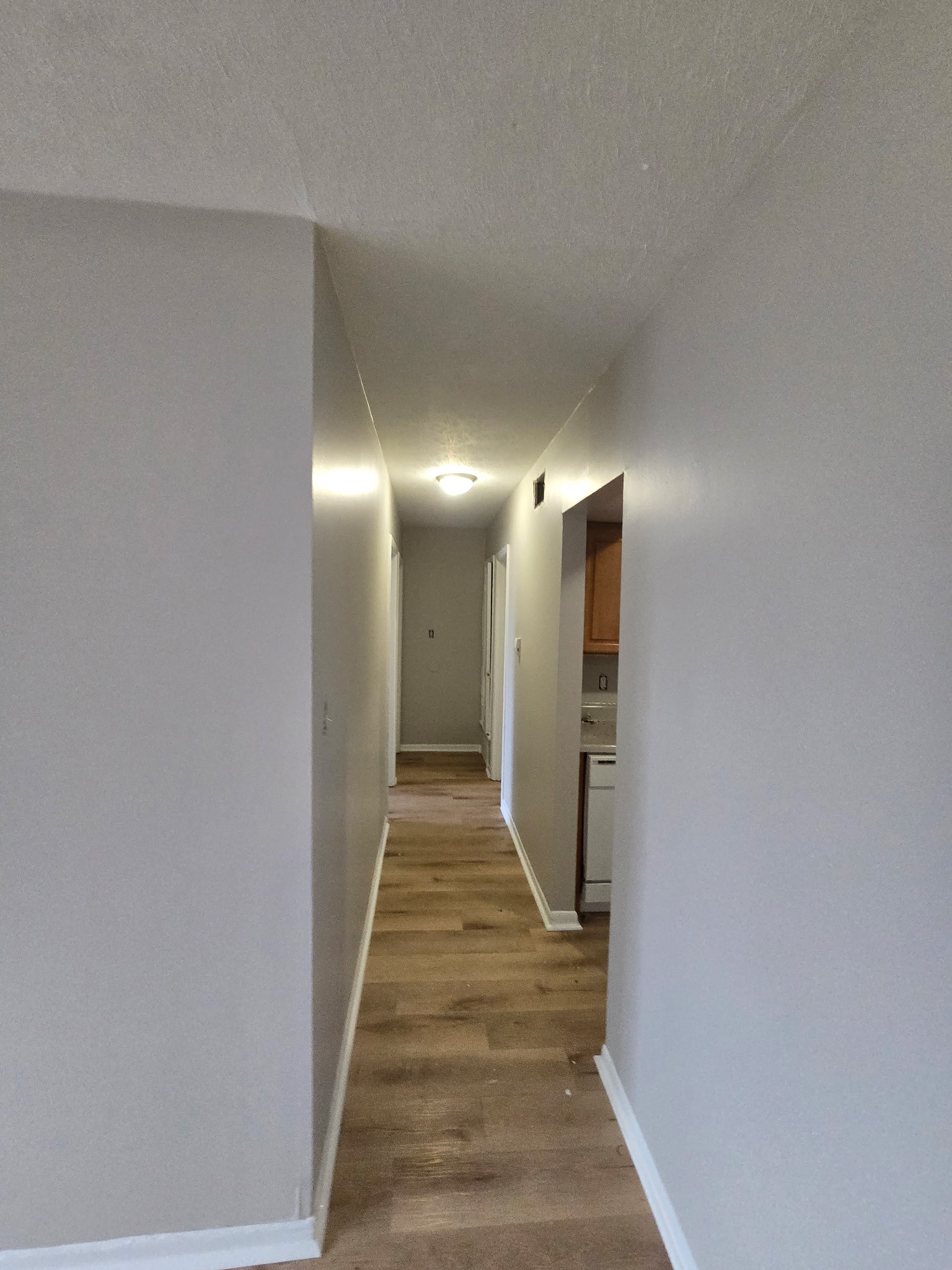
For landlords managing multiple properties, the question becomes whether to build that process internally or partner with professionals who already have it. Both approaches work. The choice depends on your volume, your team's capabilities, and how you value your time.
If you're managing Indianapolis rental properties and finding that drywall repairs consistently slow down your turnovers or create quality issues, it might be worth examining whether your current approach serves your broader business objectives. We work with property owners who've decided that professional partnerships make more sense than internal execution: but that calculation is different for everyone.
The work gets done either way. The question is which approach creates better outcomes for your specific situation. Contact us if you want to discuss what professional support might look like for your properties.
Comments