


The Fastest Way to Get Better at Reducing Vacancy Days
- Vinicio Sanchez

- 3 days ago
- 5 min read
Every day a unit sits vacant, you're paying for it. Not in the dramatic way people talk about "burning money," but in the quiet, compounding way that actually matters: mortgage payments, utilities, opportunity cost, and the mental overhead of managing an asset that isn't producing.
The question isn't whether to reduce vacancy days. It's whether you have a system that makes it predictable.
The Real Cost Isn't Just Lost Rent
Most property managers focus on the rent number, the $1,200 or $1,800 they're not collecting while a unit is empty. That's real, but it's not the full picture.
The harder cost is the distraction. Each day you're wondering when it'll be ready, checking in on progress, managing expectations with prospective tenants, and making decisions about whether to push the timeline or lower standards.
That's the tax on your attention. And unlike rent, there's no way to recover it.

Speed Isn't About Rushing
Here's where most approaches to "faster turnovers" get it wrong: they assume speed comes from rushing.
It doesn't. Speed comes from removing the gaps.
The difference between a 7-day turnover and a 21-day turnover usually isn't work speed. It's how long things sit between tasks. Waiting for someone to return a call. Scheduling conflicts. One trade finishing before another can start. Materials that weren't ordered in time.
The units that turn fastest aren't the ones where people work frantically. They're the ones where nothing waits.
The Make-Ready Framework
The make-ready process has a predictable sequence. Understanding it makes everything else easier.
Assessment → Scope → Execution → Inspection → Listing
Most delays happen in the first two stages and the last one.
Assessment takes too long when you're trying to coordinate multiple contractors to walk the unit. Scope gets delayed when decisions about paint colors, repairs, or upgrades aren't pre-determined. And inspection drags when there's no clear checklist of what "done" looks like.
The framework itself is simple. What makes it work is having systems at each stage.
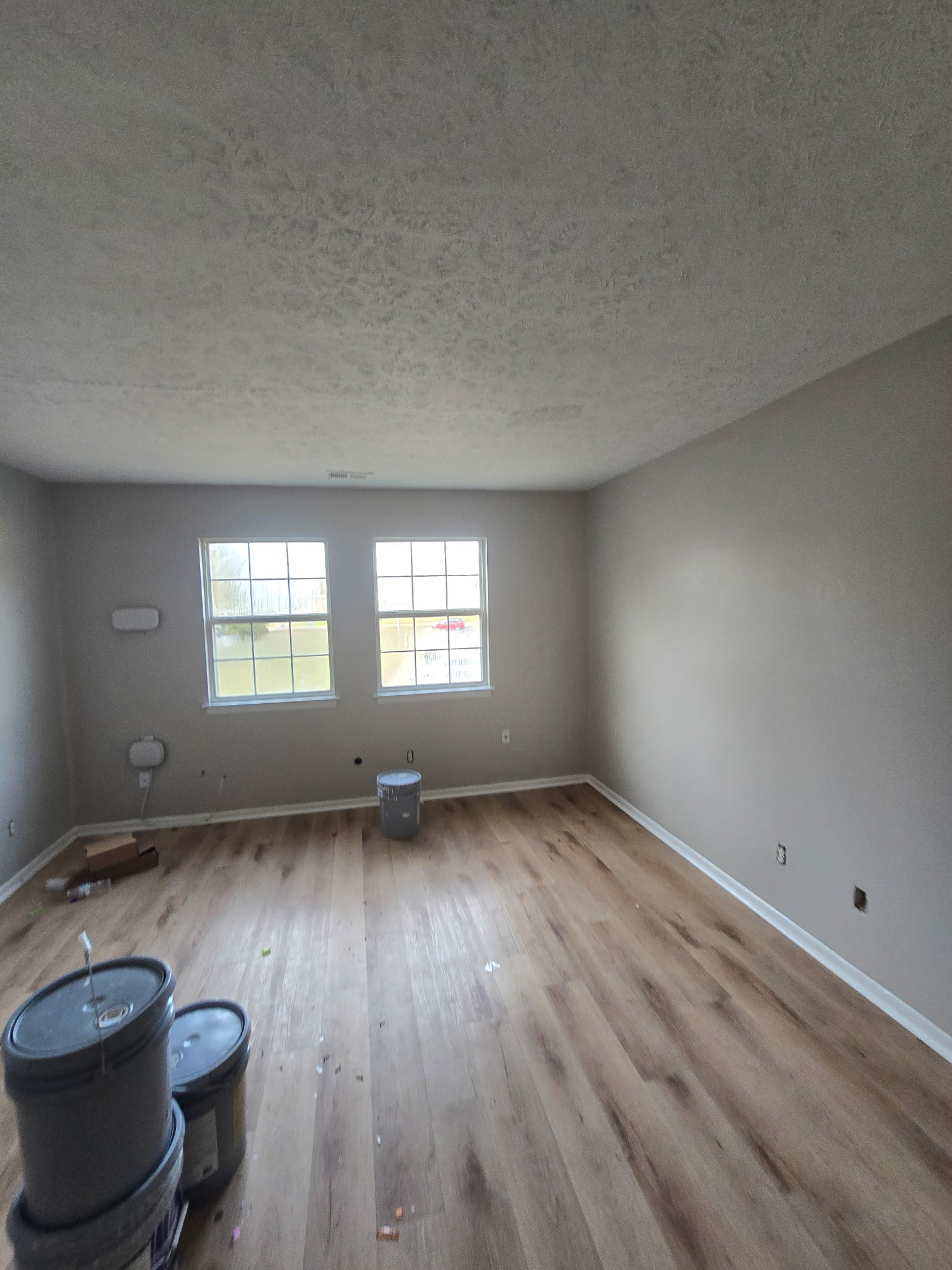
Professional Renovation as Infrastructure
This is where painting and renovation stop being "services" and start being infrastructure.
When you work with a contractor who understands the turnover business, you're not just buying labor. You're buying compressed timelines and predictable outcomes.
Here's what that looks like in practice:
Pre-approved palettes and finishes. No back-and-forth about colors. You've already decided what works for your properties. Walk-through, scope, start.
Integrated timelines. Painting doesn't wait for patching to be approved. Patching doesn't wait for cleaning to finish. The sequence is built into how the work is scheduled.
Single-point accountability. You don't manage five contractors. You manage one relationship. They manage the five contractors.
This is the difference between a 14-day turnover and a 7-day turnover. Not faster brushstrokes. Fewer handoffs.

What High-Performing Property Managers Already Know
The operators who consistently turn units in under 10 days don't have different apartments. They have different systems.
They've made decisions once, about standards, finishes, pricing, vendors, and then they execute the same playbook every time. No reinventing. No "let me think about it."
They also understand that the cheapest bid often creates the longest timeline. Not because the work is slower, but because cheaper contractors book more jobs to make up for lower margins. That means your unit waits.
The math is straightforward: if a premium contractor charges 20% more but cuts your vacancy window by 10 days, you're ahead. Way ahead.
The Optionality Question
Here's the part no one talks about: you can do all of this yourself.
You can coordinate the trades. You can be present for walk-throughs. You can make the color decisions and manage the inspection checklist.
The question isn't can you. It's whether that's the best use of your time.
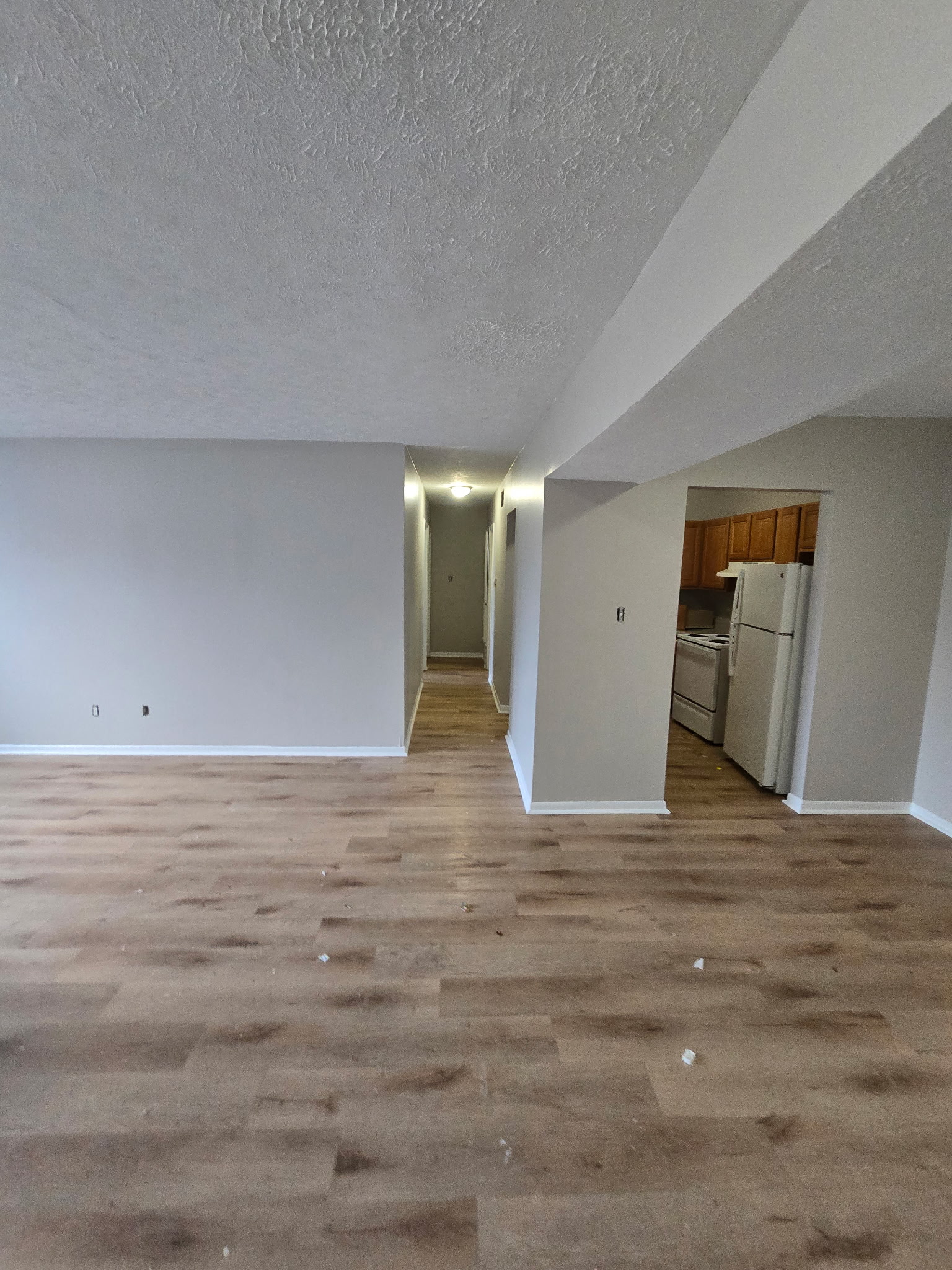
If you're managing three units and have bandwidth, maybe it is. If you're managing 20+ units or have a primary business that isn't real estate, probably not.
The value of a turnover system isn't just speed. It's predictability. Knowing that when a tenant gives notice, you can confidently tell the next prospect, "It'll be ready on the 15th." And then it is.
Systems Over Effort
There's a certain type of property owner who takes pride in being hands-on. That's not wrong. But there's a difference between being strategic and being involved in every detail.
Being strategic means:
Knowing your cost per vacancy day
Having pre-negotiated vendor relationships
Understanding what "market-ready" means for your properties
Making decisions in advance so execution doesn't stall
Being overly involved means:
Driving to units to check paint progress
Debating trim colors during the scope phase
Managing contractor schedules yourself
Running to hardware stores for supplies
One scales. The other creates a ceiling on how many units you can effectively manage.

What Matters More Than Speed
The fastest turnover means nothing if the quality isn't there. A unit that needs touch-ups after move-in, or doesn't photograph well for listings, or feels "just okay" instead of fresh, that's not actually faster. It's just shifting the problem.
The goal isn't any 7-day turnover. It's a 7-day turnover that results in a unit you'd be comfortable showing immediately and confident will rent at target price within days.
That's where professional painting and renovation creates leverage. When the finish quality is consistent, you don't second-guess the listing photos. You don't wonder if you should drop the rent by $50 to compensate for tired-looking walls. You just list it and move on.
The Quiet Advantage
The property managers who have this figured out don't talk about it much. They're not posting LinkedIn updates about "record-breaking 5-day turnovers."
They're just consistently hitting their numbers. Their units don't sit. Their budgets are predictable. They're not scrambling or stressed.
That's the actual competitive advantage. Not heroics. Just reliable systems that work whether you're paying attention or not.
Where to Start
If your average turnover is 21+ days and you want to get it under 10, the fastest path isn't working harder. It's removing decision points and handoff delays.
Start by answering these questions:
Do you have a pre-approved paint palette for your properties?
Do you have a standing relationship with a contractor who knows your standards?
Do you have a scope checklist so walk-throughs don't require multiple visits?
Do you have a clear definition of "listing-ready" that doesn't require your subjective approval?
If the answer to any of those is no, that's your bottleneck.
The work of painting and renovation itself is the easy part. The hard part is the coordination, decision-making, and timeline management around it.
That's what systems solve.
If faster, more predictable turnovers sound worth exploring, we've built our process around exactly that. No pressure, no urgency: just a conversation about whether it makes sense for your properties. Reach out when you're ready.
Comments