


The Architecture of a Seamless Turnover: Moving Beyond the Checklist
- Vinicio Sanchez

- Jun 2
- 4 min read
Most property managers treat turnovers like administrative tasks.
Check the boxes. Get the unit ready. Move to the next one.
But the transition between tenants isn't just a moment to fill: it's an opportunity to reinforce what your property represents.
A seamless turnover isn't about speed for speed's sake. It's about creating a standard of certainty that carries through every showing, every lease signing, every renewal conversation that follows.
The Difference Between Completion and Certainty
Anyone can complete a punch list.
Paint the walls. Replace a fixture. Clean the floors.
But completion and certainty are not the same thing.
Certainty means the next resident walks in and immediately understands the level of care embedded in the property. They don't wonder if corners were cut. They don't mentally catalog repairs they'll need to request later.
They simply see a space that's ready.
That distinction: between "done" and "done right": is where property value lives.

Why Seamlessness Matters More Than Efficiency
The word "seamless" gets thrown around often in apartment turnover management, usually as shorthand for "fast."
But true seamlessness isn't about compression. It's about continuity.
A seamless turnover means:
The new tenant doesn't inherit the previous tenant's wear patterns
The finishes don't telegraph their age
The unit doesn't feel like it's been hastily reset
When you prioritize seamlessness, you're not just minimizing vacancy days. You're protecting the perception of quality that justifies your asking rent.
And perception compounds. One flawless turnover becomes part of your building's reputation. Five flawless turnovers become your competitive advantage.
The Components of a Seamless Turnover
There are three core elements that define a truly seamless transition: glazing, punch work, and painting.
Each serves a distinct function. Together, they form the architecture of certainty.
Glazing: Resetting the Surface
Tub and tile glazing isn't cosmetic: it's structural to the resident experience.
A yellowed tub or chipped tile immediately signals age and neglect, even if everything else in the unit is pristine. It's a visual anchor that drags down the entire space.
Reglazing creates a reset. The bathroom no longer looks "maintained": it looks new.
That's not about deception. It's about removing distractions so the space can speak for itself.

Punch Work: Eliminating the Friction Points
Punch lists tend to accumulate during a tenancy. Small issues that weren't urgent enough to address immediately, but noticeable enough to bother someone paying attention.
A loose cabinet handle. A scuff that didn't buff out. A baseboard gap.
Individually, these are minor. Collectively, they communicate a lack of attention.
The purpose of thorough punch work isn't perfection for its own sake: it's the removal of friction. When a prospective tenant tours the unit, you want them focused on layout and light, not mentally cataloging defects.
Painting: Establishing the Standard
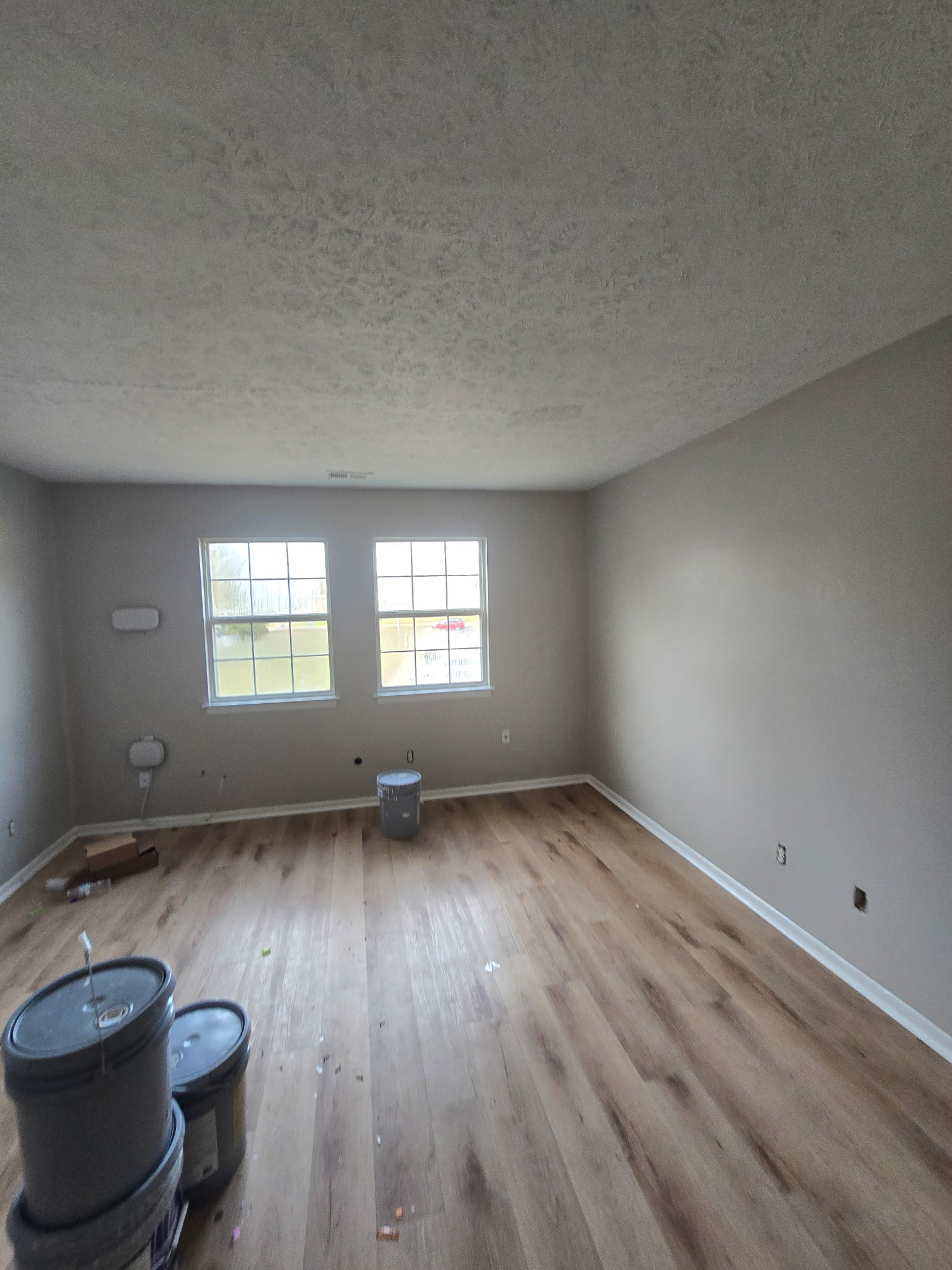
Painting is the most visible component of a turnover, and also the most misunderstood.
Many property managers treat paint as a maintenance line item. Touch up the damage. Cover the marks. Move on.
But painting during turnover is about more than coverage: it's about establishing a baseline.
Fresh, uniform walls create psychological space. They make rooms feel larger, cleaner, and more deliberate.
Poor paint work does the opposite. It highlights inconsistency and draws attention to every imperfection the paint was supposed to hide.
When painting is done with intention, it doesn't announce itself. It simply sets the tone.
The Standard of Certainty
Here's what separates a transactional turnover from an architectural one:
A transactional turnover checks boxes. It meets requirements. It gets the unit legally ready for occupancy.
An architectural turnover creates certainty: for you, for your leasing team, and for your next resident.
You know the unit is ready because there's nothing left to wonder about. Your leasing agent can show it without disclaimers. The new tenant moves in without reservation.
That certainty doesn't happen by accident. It's the result of intentional systems, not just effort.

What Seamless Looks Like in Practice
A seamless turnover doesn't require more time: it requires better sequencing.
The work happens in the right order, with the right coordination, so nothing has to be redone or revisited.
Glazing happens before painting, so painters aren't working around wet surfaces. Punch work is completed methodically, not as an afterthought. The final walk-through isn't a discovery process: it's a confirmation.
This isn't about micromanagement. It's about removing the variables that create delays and rework.
When the process is designed correctly, speed becomes a byproduct, not a goal.
The Cost of Not Being Seamless
The inverse is worth considering.
What does it cost when turnovers aren't seamless?
The obvious answer is vacancy days. Each extra day a unit sits empty is lost revenue that doesn't come back.
But the less obvious cost is positioning.
When your units consistently take longer to turn than expected, or when new residents move in and immediately start maintenance requests, you're signaling something about your operation.
You're signaling that quality is negotiable. That timelines are aspirational. That the standard varies depending on who's watching.
That perception is expensive: not just in lease-up time, but in the rental rates you can command and the resident quality you attract.
Moving Beyond the Checklist Mindset
Checklists are useful. They prevent oversights and create accountability.
But checklists alone don't create seamlessness.
Seamlessness comes from understanding that each turnover is a reset: a chance to reestablish what the property represents.
When you approach turnovers architecturally, you're not just filling units. You're reinforcing the standard that makes your property worth choosing in a competitive market.
That standard doesn't announce itself loudly. It doesn't need to.
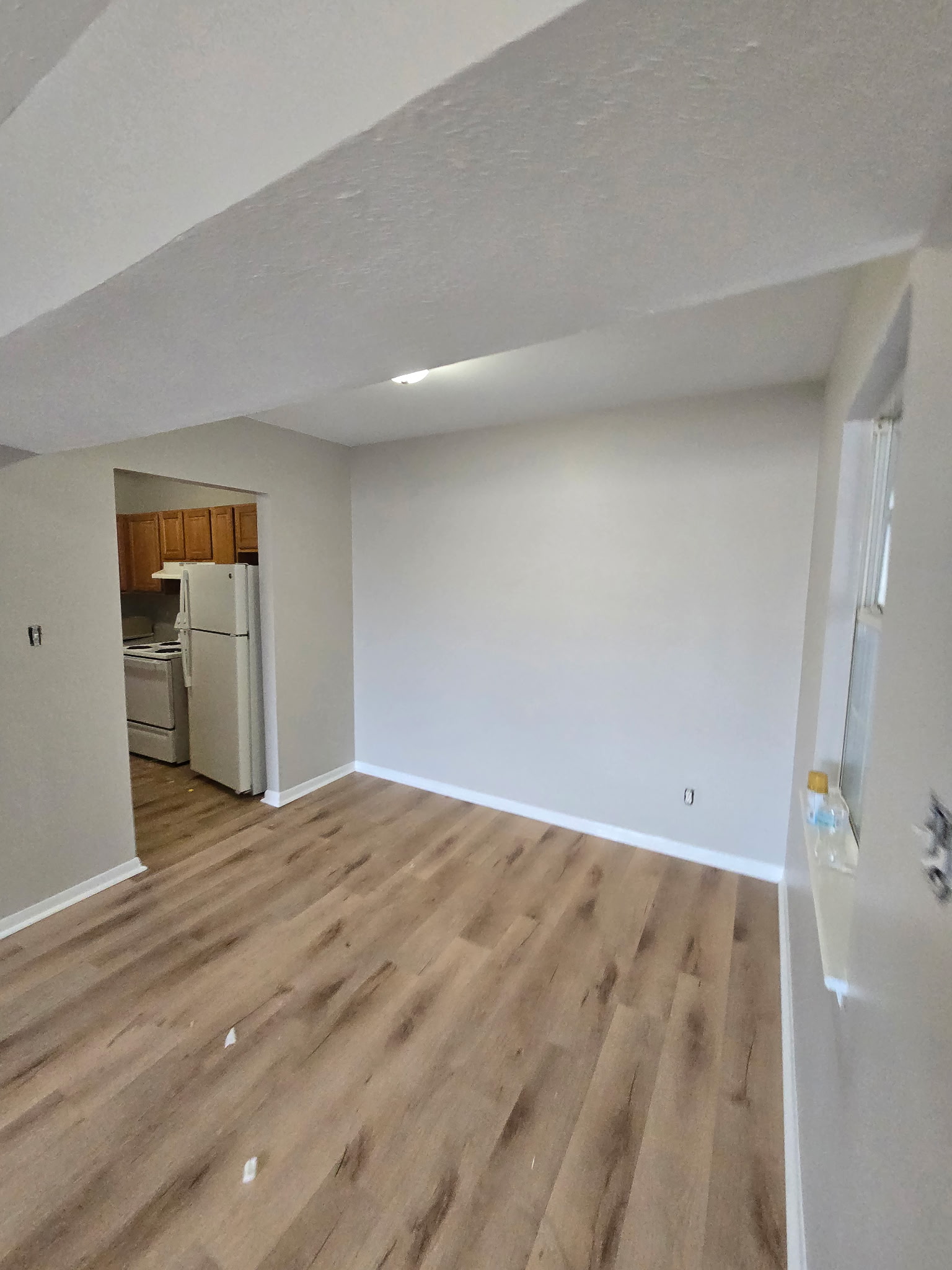
It's evident in the details that don't distract, the finishes that don't date themselves, and the certainty a new resident feels the moment they walk through the door.
The Quiet Confidence of Preparedness
The most sophisticated real estate investors in Indianapolis don't optimize for speed alone.
They optimize for consistency. For replicability. For the kind of execution that doesn't require constant supervision because the system itself is sound.
That's what architectural thinking delivers: not just faster turnovers, but better ones. Not just filled units, but properties that hold their value and command their market position.
It's the difference between managing turnover and designing it.
If you're ready to move beyond the checklist and establish a standard of certainty for your Indianapolis properties, we're here when you need us. The conversation is always optional.
Comments