


The ROI of Prevention: Maintenance Painting vs. Structural Repair Costs
- Vinicio Sanchez

- Jun 9
- 5 min read
In the management of high-value real estate, there is a quiet thief often overlooked until its impact becomes impossible to ignore. It isn't tenant turnover or market fluctuations; it is the slow, silent degradation of the building’s envelope.
Many property owners view exterior painting as a discretionary aesthetic choice: something to be addressed when the budget allows or when the curb appeal begins to falter. However, from a strategic perspective, maintenance painting is less of a "beauty treatment" and more of a financial hedge. It is a system designed to prevent the cascading costs of structural repair.
When we look at the Return on Investment (ROI) of proactive maintenance, the numbers are clear: properties that adhere to a disciplined painting schedule save significantly more over the long term than those that wait for visible failure.
The Financial Impact: A Tale of Two Costs
The true cost of a painting project is rarely just the price of the labor and the gallon of paint. The real cost is determined by what the paint is preventing.
Research indicates that properties practicing regular maintenance painting can save up to 30% on long-term repair and replacement costs. To understand this, one must look at the escalating scale of neglect. A small crack in the paint film is a negligible expense to fix today. However, that same crack allows moisture to infiltrate the substrate.
Once moisture enters wood siding or trim, the clock starts. Wood rot, or "dry rot," is an opportunistic predator. It thrives in the damp, dark spaces behind your siding. By the time you see the paint bubbling or the wood softening, you are no longer looking at a painting project; you are looking at a carpentry project.
Replacing structural wood, trim, or siding is exponentially more expensive than applying a protective coat of Sherwin-Williams Duration. The labor required to remove rotted material, source matching profiles, and rebuild the exterior envelope often dwarfs the original cost of a maintenance coat by a factor of ten.
The Mechanics of Protection
To appreciate the ROI, we must understand the mechanics of how high-quality exterior paint functions as a shield. Modern coatings are engineered to be more than just color; they are sophisticated membranes.
Moisture Infiltration
Paint and intact caulking serve as the primary defense against water. When these systems fail, unprotected bare wood soaks up water like a sponge. This leads to the expansion and contraction of the fibers, further cracking the remaining paint and inviting more water.
Masonry and Metal
The danger isn't limited to wood. In masonry, cracked paint allows water to seep into the brick or stone. In colder climates like Indianapolis, this water freezes and expands, causing spalling and cracking. Even more critically, moisture can reach the internal rebar. Once rebar corrodes, it expands, causing the concrete to fail from the inside out: a structural nightmare that requires specialized, high-cost remediation.
The Lifecycle of the Substrate
By identifying and correcting small issues early, a scheduled maintenance program prevents the need for full surface replacement. Many of our clients have found that they can double or even triple the lifespan of their original siding and trim simply by never allowing the protective barrier to fail.

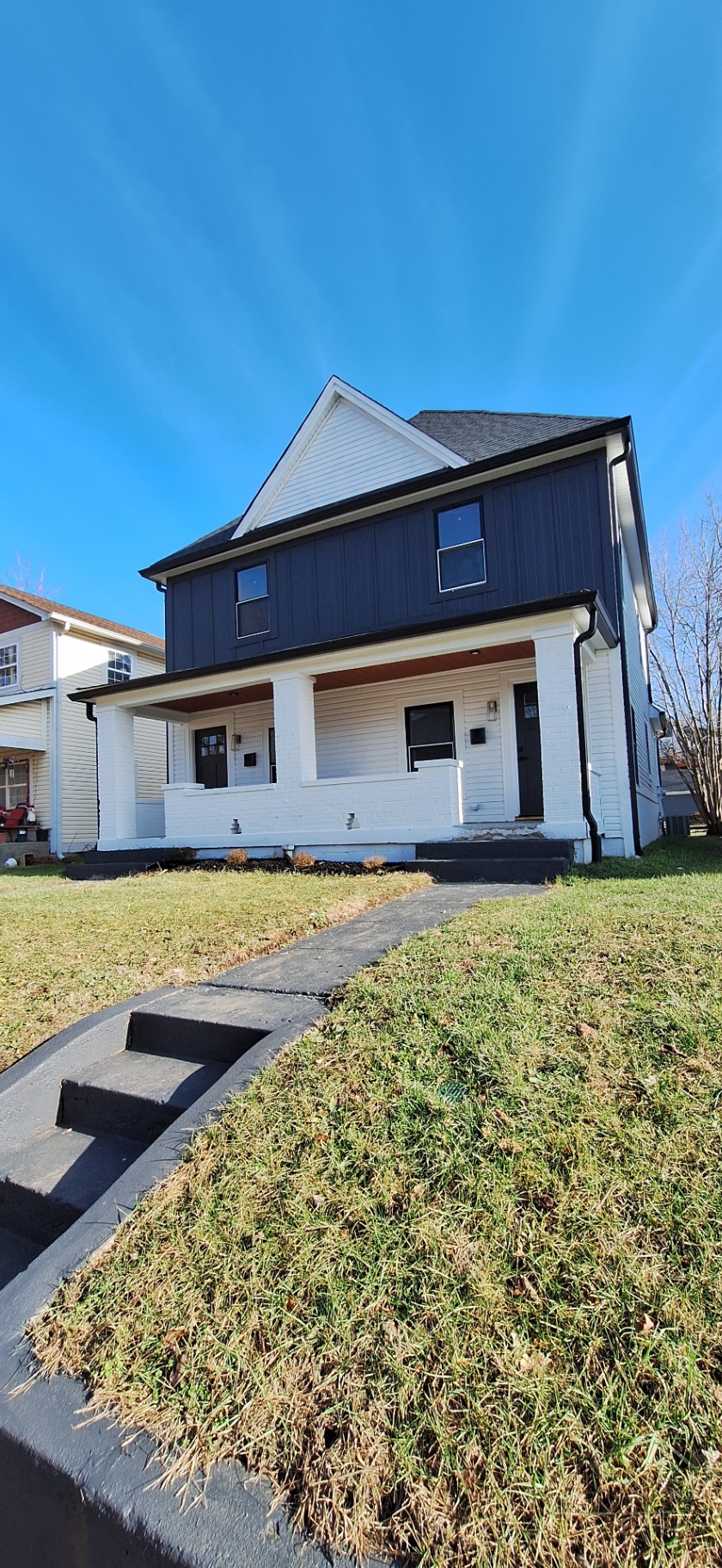
A clean, well-maintained exterior compared to the invasive reality of a "repair in progress" sign.
The Cost of Distraction
For the sophisticated property owner, the "cost" of a repair is not just the invoice from the contractor. It is the cost of distraction.
A maintenance painting project is predictable. It can be scheduled during optimal weather, budgeted for in advance, and executed with minimal disruption. It is a system that runs in the background of your business.
Conversely, a structural repair is often an emergency. It is a "loud" problem that demands your immediate attention. It may involve water leaking into an interior unit, causing drywall damage, mold concerns, and tenant dissatisfaction.
When you are forced to manage an emergency repair, you are pulled away from high-value activities: like acquisition, leasing, or portfolio strategy. This is the hidden "Ghost Unit" of expense: the time and energy lost to solving a problem that was entirely preventable.
The ROI of Quality: Why Materials Matter
Not all paint is created equal, and the ROI of maintenance is heavily dependent on the quality of the product used. At Sanz Global LLC, we often emphasize the use of Sherwin-Williams Duration for Indianapolis exteriors.
The logic is simple: if the goal is to maximize the interval between painting cycles, you need a product that offers superior thickness, flexibility, and resistance to peeling. A cheaper paint might save a few hundred dollars on the initial estimate, but if it fails two years earlier than a premium product, your "cost per year" of protection actually increases.
Duration is formulated with PermaLast® technology, which results in a coating that is 70% thicker than standard architectural paint. This thickness provides a bridge over minor hairline cracks and offers a level of durability that protects the substrate long after a standard paint would have succumbed to the elements.

The Indirect Benefits of Preservation
While the direct savings on wood replacement are the most obvious part of the ROI calculation, several indirect benefits contribute to the overall value of the property:
Tenant Satisfaction and Retention: A well-maintained exterior signals to tenants that the property is managed with care. This reduces friction during lease renewals and supports higher rental rates. We discuss the nuances of this in our guide on how to reduce tenant turnover expenses.
Property Valuation: During an appraisal or a potential sale, deferred maintenance is a massive red flag. A "clean bill of health" on the exterior envelope ensures you capture the maximum market value without "buyer credits" for repairs.
Interior Protection: An intact exterior prevents moisture from reaching the interior wall cavities. This protects your insulation, electrical systems, and drywall, preventing the need for complex interior repairs.
Systems Over Effort
At Sanz Global LLC, our philosophy is rooted in the belief that execution should be optional for the owner, but the systems must be mandatory for the property.
Maintenance painting is a system of preservation. It is a proactive choice to trade a small, predictable investment today for the avoidance of a large, unpredictable expense tomorrow.
If you are looking at your property and noticing the first signs of wear: fading color, small cracks in the caulk, or "chalking" on the surface: you are at a strategic crossroads. You can choose to wait, or you can choose to preserve.

A Strategic Perspective
Information is free; execution is optional. We provide these insights so that you can make informed decisions about your portfolio. Whether you choose to move forward with a project now or later, understanding the financial trajectory of your building’s exterior is essential for long-term success.
If you would like a professional assessment of your property’s current condition or a quote for an exterior painting project, we are here to provide the data you need to make the right choice for your investment.
Invest in maintenance now to save on repairs later. It is the most reliable way to protect both your capital and your peace of mind.
For more information on how we approach property preservation, you can contact us directly or explore our full range of services.
Comments