


The Quiet Authority of a Well-Maintained Property
- Vinicio Sanchez

- Mar 31
- 4 min read
Some properties command rent premiums without explanation. Others sit vacant despite competitive pricing.
The difference isn't always obvious in listing photos or square footage. It's in the details that speak before anyone says a word.
The Signal of Maintenance
High-value tenants read properties differently than most owners realize.
They notice baseboards that align perfectly at corners. They observe how consistently paint coverage appears in natural light. They register the quality of cabinet hardware and the precision of caulk lines around fixtures.

These aren't aesthetic preferences. They're intelligence gathering.
A tenant paying premium rent is assessing whether their landlord approaches property ownership as a system or a series of reactions. Flawless details signal the former. Inconsistent finishes suggest the latter.
The conclusion affects whether they sign, how long they stay, and how they treat the space.
What Consistency Actually Communicates
When every visible surface in a property reflects the same standard of care, it establishes a specific expectation.
It tells a tenant that issues will be addressed with the same attention currently evident. That maintenance requests won't disappear into voicemail. That the property operates according to standards, not convenience.
This expectation reduces friction in the landlord-tenant relationship before it begins.
Compare this to properties where renovation quality varies by room: where the kitchen received attention but the bathroom didn't, or where paint application looks professional in common areas but rushed in bedrooms.
The message becomes: this owner makes tradeoffs based on what shows. Which means other tradeoffs will follow the same logic.
High-value tenants avoid that uncertainty. They choose properties where the landlord's standards appear non-negotiable.
The Economics of Quiet Excellence
Maintaining consistent quality across all visible details costs more upfront than selective attention.
But the financial logic reverses over longer timeframes.
Properties that maintain authority through details experience lower turnover. Tenants renew because the property continues to meet the standard it established. This eliminates the compounding costs of vacancy: lost rent, marketing, screening, make-ready between occupants.
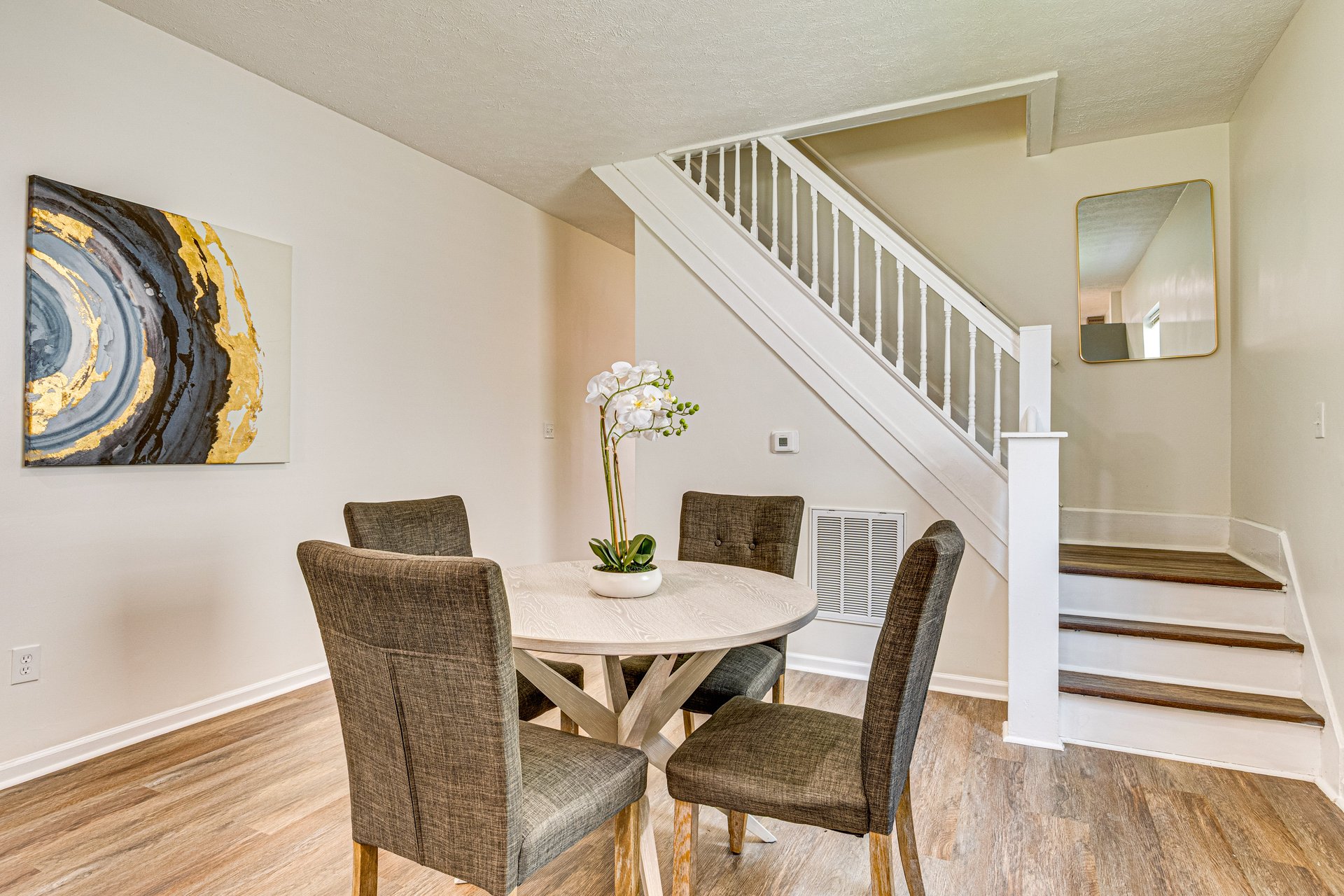
It also changes the tenant selection pool. Properties known for consistent maintenance attract applicants who value that consistency. They're willing to pay for the certainty that issues will be handled properly.
This creates a self-reinforcing cycle. Better tenants treat properties with more care, which reduces maintenance costs, which preserves the details that attracted quality tenants initially.
The alternative: addressing only obvious problems while deferring subtle ones: produces the opposite cycle. It attracts tenants who accept inconsistency, which normalizes it, which gradually degrades both property condition and tenant quality.
The gap between these two paths widens every lease term.
What High-Value Tenants Notice
The details that establish authority aren't always where owners expect.
Cabinet alignment matters more than cabinet style. Uniform paint sheen communicates more than paint color. Consistent grout lines signal more than tile selection.
These elements reflect process, not budget.
A landlord can install expensive finishes poorly. The tenant reads this as: money without systems. Which suggests future problems will be addressed with expense rather than competence.
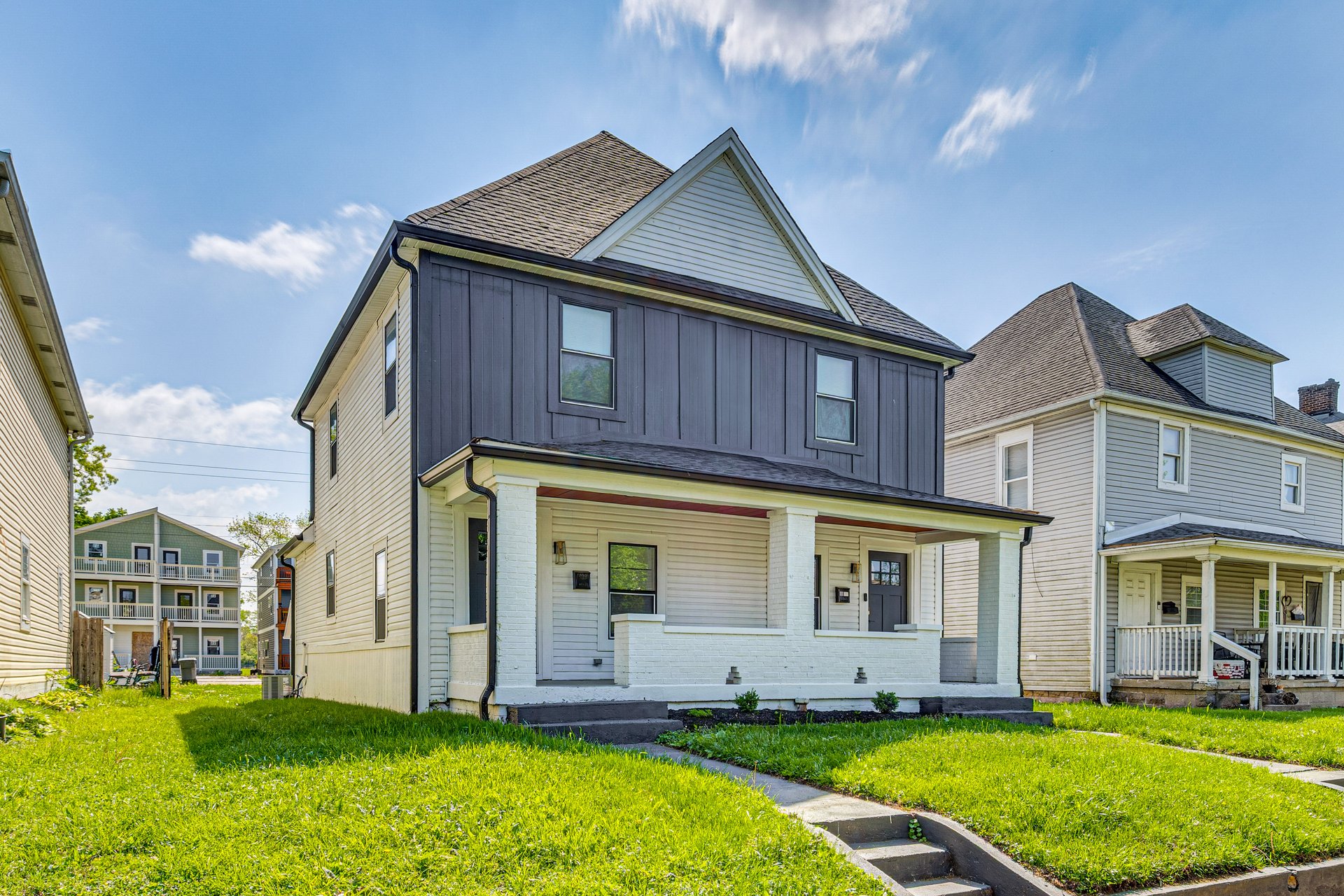
The inverse also applies. Mid-range materials installed with precision communicate that this property operates according to standards. That someone who understands execution is making decisions.
High-value tenants look for evidence of systems because systems predict reliability.
When they see consistent attention to surfaces they know most landlords ignore: inside cabinet corners, behind appliances, transitions between materials: they recognize an owner who's eliminated variability from their operation.
That recognition changes how they evaluate rent. The premium they're willing to pay isn't for luxury. It's for predictability.
The Cost of Visible Compromise
Properties lose authority one detail at a time.
A section of baseboard that doesn't quite align. Paint that's slightly uneven in certain light. A drawer that sticks occasionally. None of these issues prevent functionality.
But they introduce a question: if these details were acceptable, what else is?
This question compounds. Once a tenant identifies inconsistency, they begin looking for it. The property shifts from being a reliable system to a collection of individual decisions, each potentially compromised.
The landlord's attention becomes suspect. Their standards appear negotiable. The tenant begins treating the relationship accordingly: requesting everything in writing, documenting issues, approaching maintenance requests adversarially.
The shift isn't dramatic. It's gradual erosion of the trust that makes property management efficient.
Properties that maintain authority avoid this erosion by eliminating the initial question. When no detail suggests compromise, tenants don't look for evidence of it.
Authority Through Delegation
Most property owners understand these dynamics intellectually.
The challenge isn't knowing that details matter. It's having the systems to maintain them consistently while managing everything else ownership requires.
This is where many operators face a choice: maintain standards personally, or accept variability.
Both options have costs. Personal maintenance of details consumes time that could be spent on acquisition, financing, or portfolio strategy. Accepting variability compounds into higher turnover and difficult tenant relationships.
The alternative is building or accessing systems that maintain standards without requiring ongoing personal attention.
This means working with renovation and maintenance partners who understand that details aren't aesthetic preferences: they're risk management. Partners whose own operations are structured to deliver consistency regardless of individual job complexity.
When that system exists, property owners can maintain quiet authority across their portfolio without becoming the bottleneck.
The Compound Effect
Properties that establish and maintain authority through details don't just attract better tenants. They become easier to operate.
Maintenance requests decrease because systems prevent issues before they occur. Turnover slows because tenants have fewer reasons to leave. Property condition remains stable because residents treat maintained properties with corresponding care.
The owner's attention shifts from reactive problem-solving to strategic portfolio management.
This transition doesn't happen immediately. It's the result of consistent standards maintained over multiple lease cycles. But once established, it creates operational capacity that properties without that foundation can't match.
The question for most owners isn't whether this approach works. It's whether their current operation can deliver it.
Property authority isn't built through statements. It's demonstrated through the details that most operators consider optional.
For owners whose portfolio strategy depends on attracting and retaining high-value tenants, those details become infrastructure, not finishing touches.
If your current renovation and maintenance approach doesn't maintain that standard consistently, we've built ours to do exactly that.
Comments