


Does Interior Paint Quality Really Matter for Tenant Retention? Here's the Truth

Property managers ask this question more often than you'd think. The instinct is to paint between tenants, everyone does that. The real question is whether the quality of that paint actually influences whether someone renews their lease twelve months later.
The answer is yes, though probably not for the reasons you assume.
The Perception Gap
Most landlords think about paint as a cosmetic refresh. Something to make a unit look clean for showings. A quick reset between occupants.
Tenants think about it differently. They notice paint quality every single day. They see it when scuff marks won't wipe clean. When touchups don't match. When walls start showing wear after six months instead of staying fresh through the lease term.
That daily experience shapes how they feel about the property: and whether they want to stay.
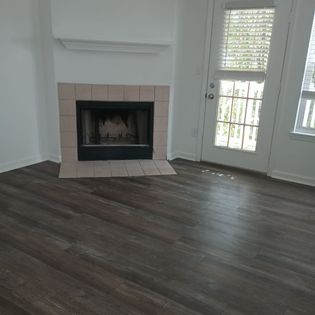
Research from CoStar Group found that properties in excellent condition lease 40% faster than those in average condition. Paint is the most visible condition indicator in any unit. It's the backdrop to everything else.
When paint holds up well, tenants interpret that as competent property management. When it doesn't, they start questioning what else might be cutting corners.
The Maintenance Request Problem
Here's where the math gets interesting.
Budget-grade paint generates maintenance requests. Not immediately: usually around month four or five when normal living starts showing through. A tenant emails about marks that won't clean off the kitchen wall. Another mentions the bedroom baseboards look dingy despite regular cleaning.
Each request costs you time. Your property manager fields it, schedules someone to assess it, decides whether it warrants action. If you send someone out for touchups, you're paying for labor, materials, and coordination. If you don't, the tenant remembers that their concern went unaddressed.
High-quality, scrubbable paint eliminates most of these requests entirely. The paint does its job. Tenants handle their own minor cleaning. Your inbox stays quieter.
The difference in annual maintenance requests between units painted with contractor-grade versus premium paint can run 3-5 requests per unit. That adds up across a portfolio.
What Actually Separates Quality Paint
Not all paint labeled "premium" performs the same. What matters for rental properties:
Scrubbability rating determines whether normal cleaning damages the finish. Flat paint looks nice initially but shows every mark. Eggshell or satin finishes with high scrubbability ratings withstand regular wiping without losing their sheen or color uniformity.
Hide rating affects how many coats you need and how well the paint conceals previous colors or minor wall imperfections. Better hide means fewer coats, which saves labor costs even if the paint itself costs more per gallon.
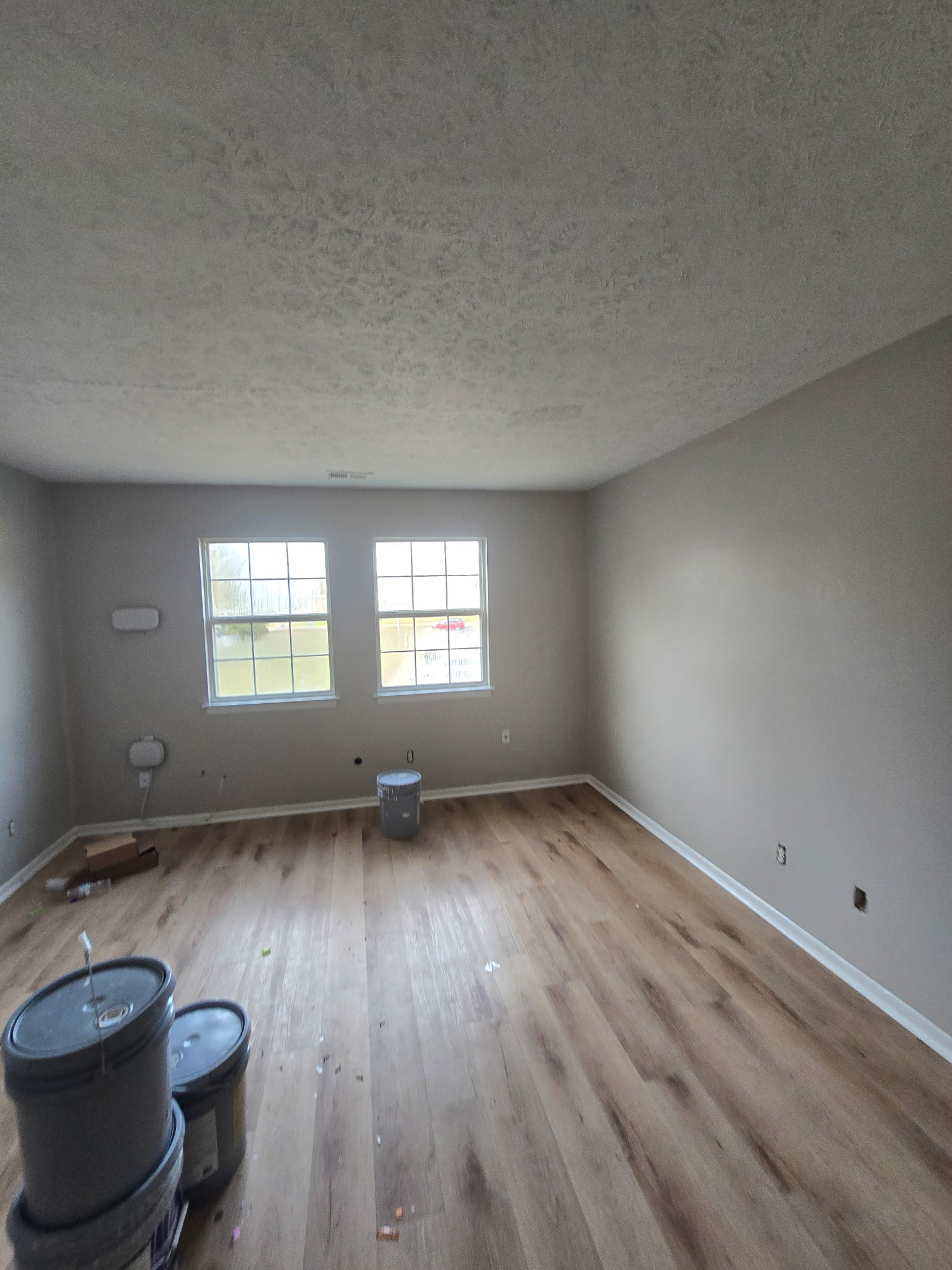
VOC levels impact how quickly units can turn over. Low-VOC paints dry faster and don't require extended ventilation periods before a new tenant can move in. That's days of potential rent you're not losing to off-gassing.
Color retention matters more than most landlords realize. Budget paints fade unevenly, especially in units with varied sun exposure. Rooms that looked uniform at turnover start looking patchy after a year. Tenants notice.
The typical upgrade from builder-grade to quality rental paint runs about $8-12 more per gallon. For a standard two-bedroom apartment requiring 8-10 gallons, that's an $80-120 difference. That same unit might cost you $200-400 in maintenance requests and tenant dissatisfaction over a lease term if the paint doesn't hold up.
The Renewal Decision Point
Tenant retention studies consistently show that lease renewal decisions happen gradually, not all at once when the lease expiration notice arrives. Tenants make small mental notes throughout their tenancy. The accumulation of those notes determines whether they renew.
Paint quality shows up in those mental notes more than most property managers realize.
When walls stay looking fresh, that signals stable property management. When a tenant's visiting friend comments on how nice the apartment looks, that reinforces their decision to stay. When they don't have to worry about getting their security deposit back because normal cleaning actually cleans the walls, that reduces friction.
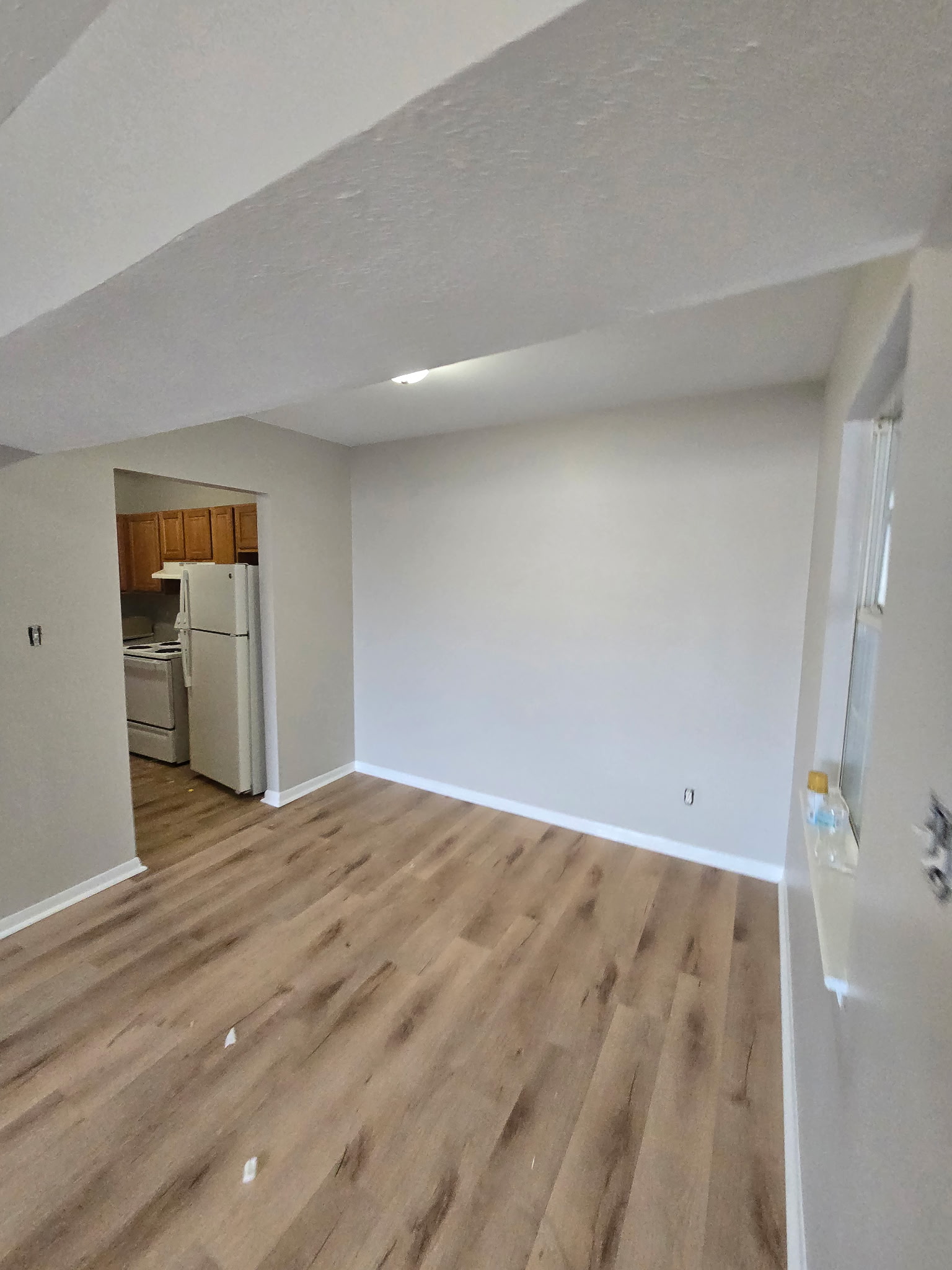
Industry data suggests that paint quality can influence retention rates by up to 25% when considered alongside other maintenance factors. That might sound high until you consider the alternative: a tenant who's already frustrated by unresponsive maintenance requests sees their walls looking worn at month nine and starts browsing listings.
The cost of turnover: lost rent, cleaning, repairs, marketing, screening, lease processing: typically runs 1-2 months of rent. If better paint helps you avoid even one extra turnover every few years across your units, the math tilts heavily in favor of quality materials.
Neutral Colors and Future Flexibility
The other piece that matters: color selection.
Trendy colors date properties. They also limit your tenant pool to people who like that specific aesthetic choice. Neutral palettes: grays, beiges, warm whites: give tenants a blank canvas to personalize with their own furniture and decor.
That flexibility matters more for retention than most people think. Tenants who can make a space feel like their own space are significantly more likely to renew. Bold accent walls might photograph well, but they create friction for the 70% of tenants who would prefer something else.
High-quality neutral paint also simplifies future turnovers. You're not trying to match a specific trendy color that's been discontinued. You can touch up without complete repaints. The consistency across units makes your entire portfolio easier to manage.
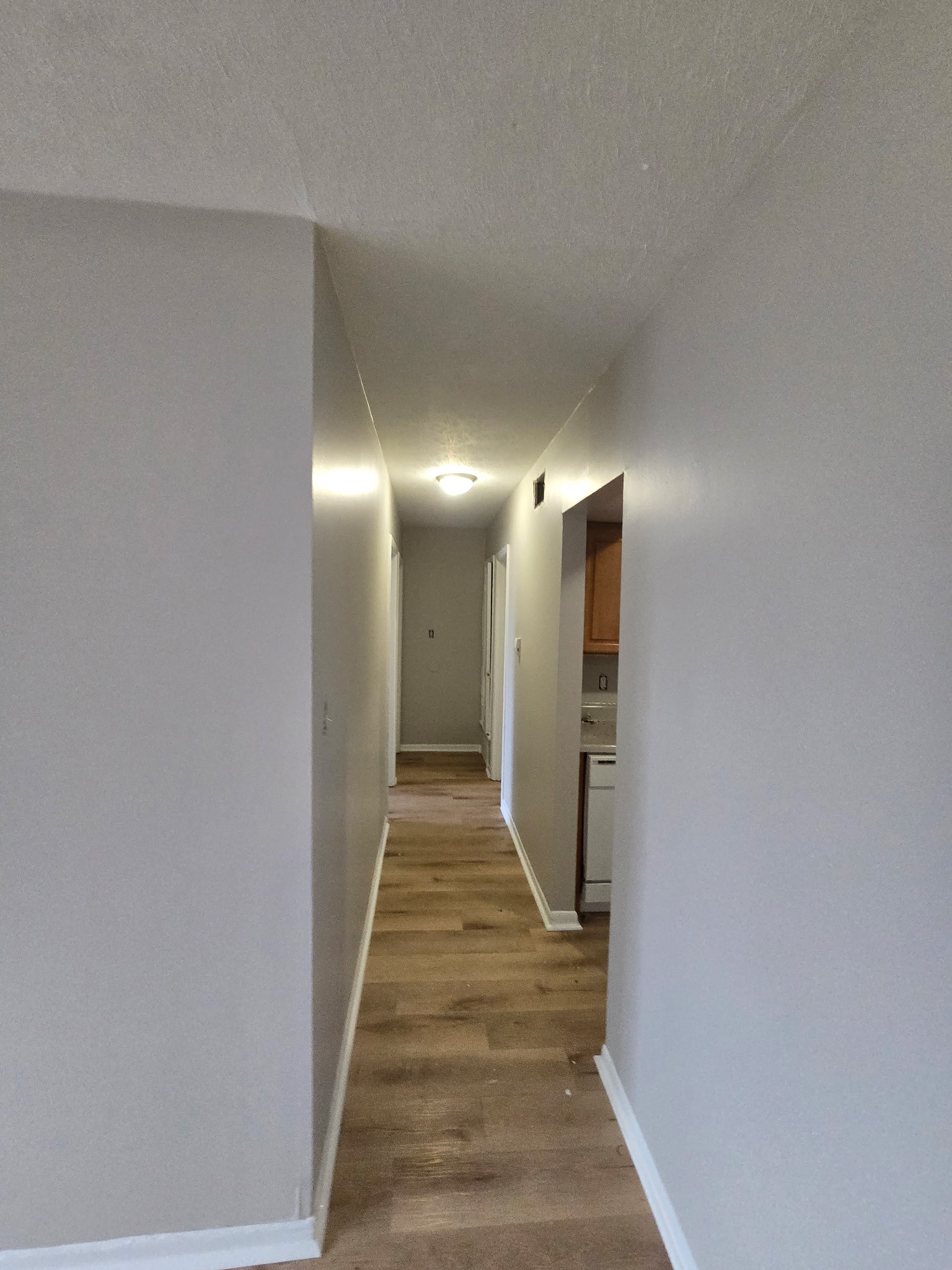
The Execution Question
Understanding that paint quality matters is one thing. Actually implementing quality paint standards across multiple properties and multiple turnovers is another.
Most landlords don't have time to vet paint specifications, verify that contractors are using agreed-upon materials, or inspect finished work to ensure proper surface prep and application technique. The gap between knowing what should happen and ensuring it actually happens is where most quality issues emerge.
This is where systems matter more than effort. Whether you handle painting internally or work with a contractor, having clear specifications and verification processes determines whether quality intentions translate into quality results.
We work with property managers and investors who've decided that paint quality matters enough to get it right consistently. That usually means establishing standards once, then having someone accountable for maintaining those standards across every turnover.
If you're managing multiple properties in the Indianapolis area and want to discuss how paint quality fits into your overall turnover and retention strategy, we're available to walk through the specifics of what works. No pressure: just a straightforward conversation about what you're dealing with and whether our approach makes sense for your situation. You can reach us through our contact page.
What This Means for Your Properties
Paint quality isn't the only factor in tenant retention. It's one variable among many. But it's a variable you control completely, and one that compounds over time.
Units painted with quality materials require less maintenance, generate fewer complaints, and maintain their appearance longer. That creates a better tenant experience, which influences renewal decisions, which reduces your turnover costs.
The properties that retain tenants consistently aren't doing anything magical. They're usually just executing the basics well: and paint is one of those basics that's easy to overlook until you see the difference it makes.
Comments