


Eggshell Vs Satin Paint: Which Finish Is Better For Your Rental Units?

The question itself might be slightly off.
Property owners often approach paint finish selection as a binary choice. Eggshell or satin. Pick one. Apply everywhere. Move on.
But the walls in a rental unit don't all experience the same conditions. A hallway sees more traffic than a bedroom. A bathroom encounters more moisture than a living room. Treating every surface identically ignores the reality of how tenants actually live in these spaces.
The better question isn't which finish is superior. It's which finish belongs where.
Understanding the Difference
Before deciding anything, it helps to know what separates these two finishes.
Eggshell paint has a soft, low sheen. It reflects just enough light to add warmth without drawing attention to itself. The finish resembles the surface of an actual eggshell: smooth, subtle, and forgiving.
Satin paint sits one step higher on the sheen scale. It has a slight gloss that gives walls a smoother, more polished appearance. The surface is harder and more resistant to wear.
Both finishes outperform flat paint in rental applications. Flat paint stains easily, doesn't clean well, and shows every touch-up like a patch on a quilt. For investment properties, flat paint creates more maintenance problems than it solves.
Eggshell and satin both clean more effectively, resist staining better, and blend touch-ups more seamlessly than flat alternatives. The differences between them come down to durability, appearance, and where each performs best.
When Satin Makes Sense
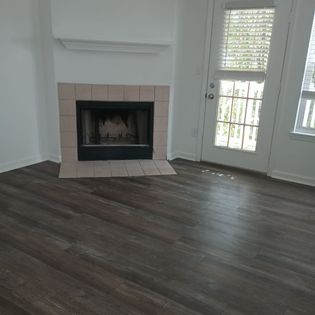
Satin paint earns its place in areas that take abuse.
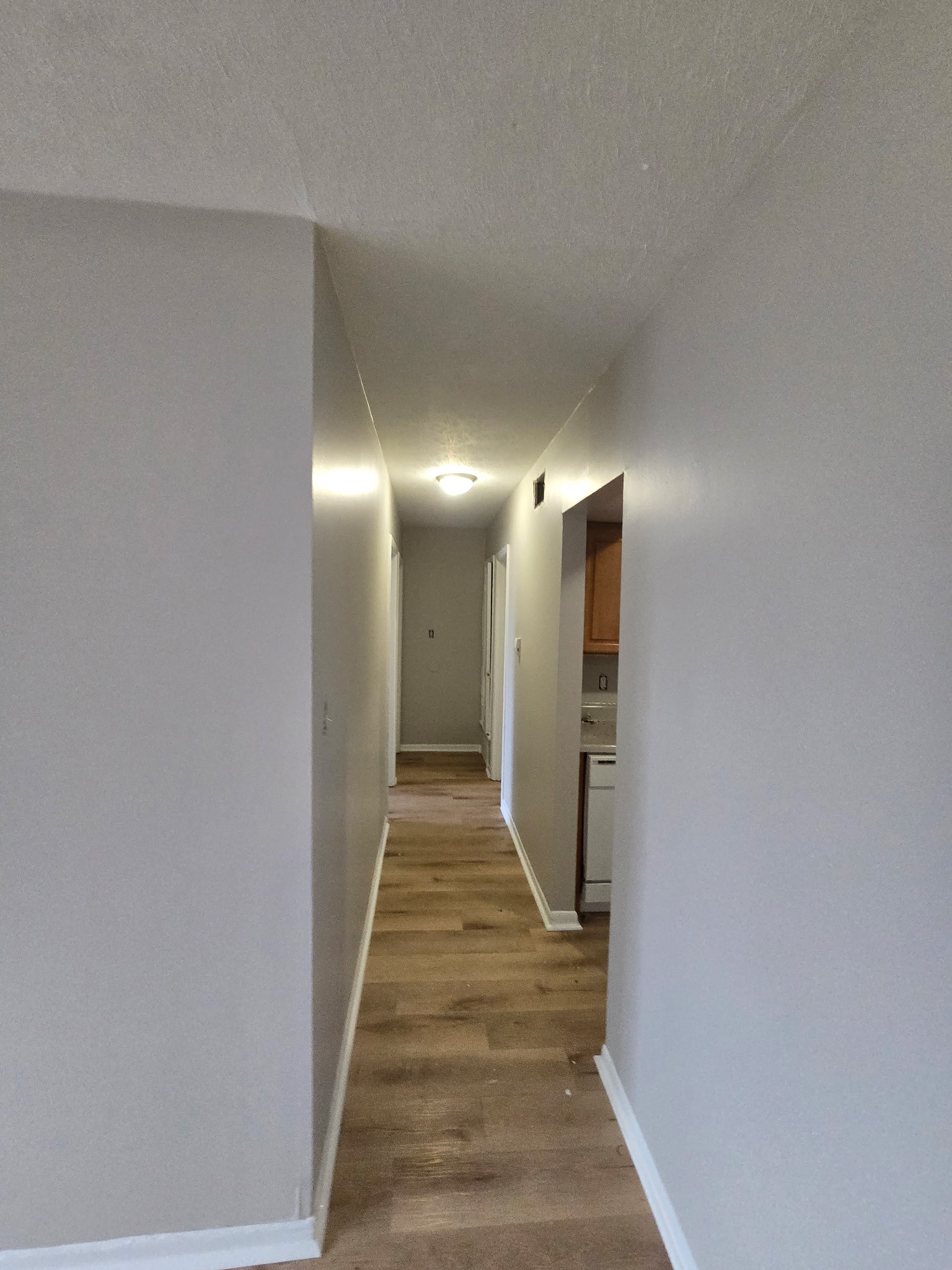
Hallways, entryways, kitchens, bathrooms, and any space where walls encounter regular contact benefit from satin's durability. The higher gloss creates a harder surface that resists scuffs, stains, and the accumulated wear of daily living.
Tenants brush against hallway walls. Kitchen walls collect grease splatter. Bathroom walls absorb moisture. Satin handles all of this better than eggshell.
The finish also cleans more effectively. You can scrub satin walls without damaging the surface or leaving visible marks. For a property manager dealing with turnover cleaning or addressing mid-lease maintenance, this matters.
Moisture resistance makes satin particularly valuable in bathrooms and kitchens. The tighter surface doesn't absorb humidity the way lower-sheen paints can, which reduces the risk of paint failure over time.
The tradeoff is appearance. Satin's slight gloss can highlight imperfections in the wall surface. Dents, patches, and uneven textures become more visible under that reflective finish. In older buildings with character walls, this can work against you.
When Eggshell Works Better
Eggshell paint excels in spaces that prioritize aesthetics over heavy-duty performance.
Bedrooms, living rooms, and dining areas typically see less direct wall contact. Tenants aren't constantly brushing against these surfaces or cleaning cooking residue off them. The demands are lower, and eggshell meets them comfortably.
The softer sheen creates a warmer, more inviting appearance. Eggshell reflects light gently rather than sharply, which gives rooms a more residential feel. For attracting quality tenants, this matters more than people realize.
Eggshell also conceals minor wall imperfections better than satin. The lower sheen doesn't highlight bumps, patches, or surface inconsistencies the way a glossier finish would. In rental units that accumulate cosmetic wear between tenancies, this forgiving quality saves time and money.
The finish still cleans well enough for normal use. It won't handle aggressive scrubbing like satin, but it manages everyday dust and light marks without issue.
The Strategic Approach
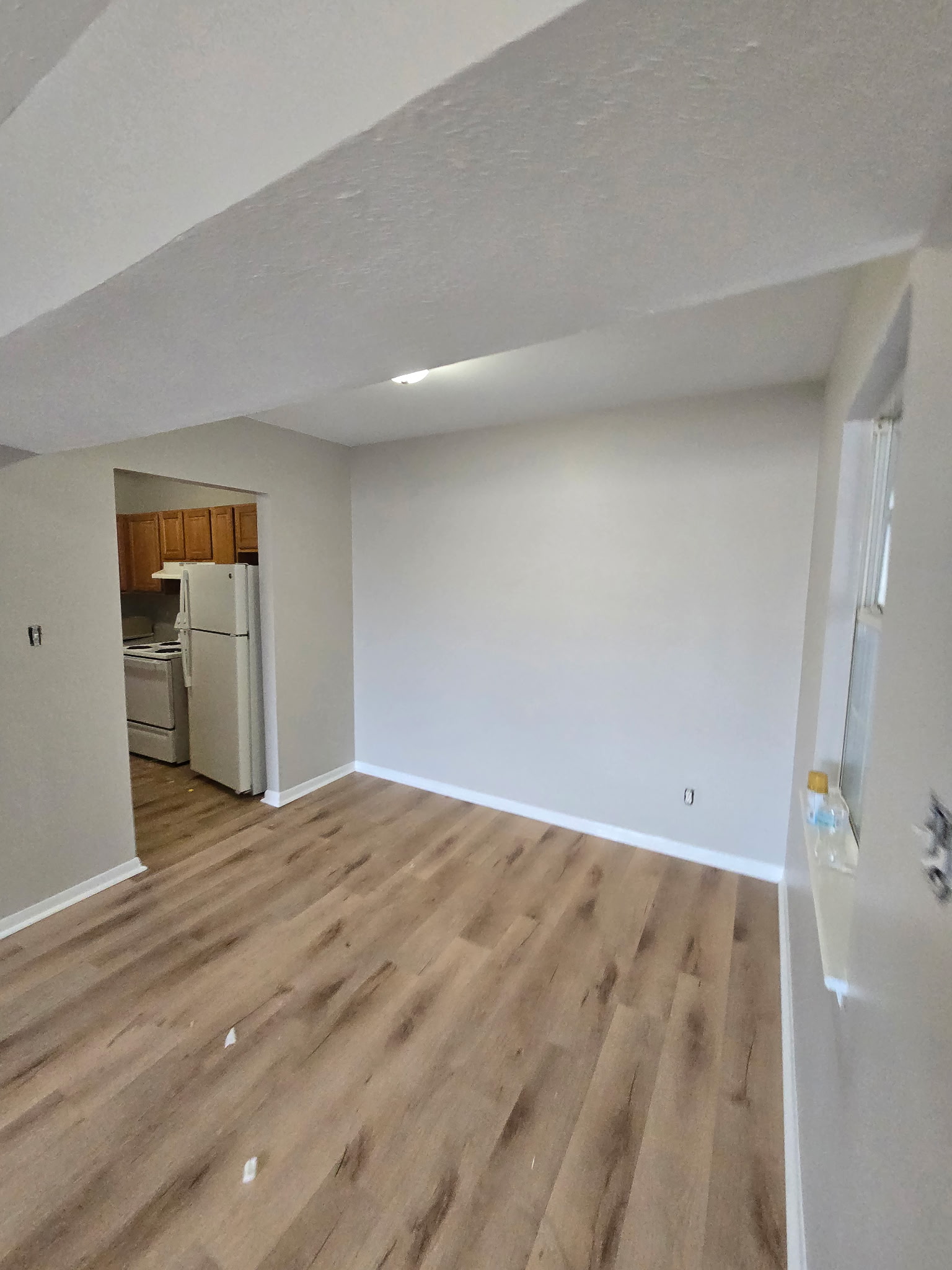
The most effective rental paint strategy uses both finishes where they belong.
Eggshell on general interior walls: bedrooms, living rooms, dining areas. Satin in high-traffic zones: hallways, entryways, kitchens, bathrooms. This combination optimizes durability where it matters most while maintaining aesthetic appeal throughout the unit.
Many property management companies take this approach further. They apply eggshell or satin to walls while reserving semi-gloss for trim, baseboards, and woodwork. The higher gloss on trim provides maximum durability on surfaces that see the most contact and require frequent cleaning.
This isn't about perfection. It's about reducing long-term maintenance costs while keeping units attractive enough to command competitive rent and retain quality tenants.
The upfront investment in strategic finish selection pays back over multiple turnovers. Walls that clean easily reduce make-ready time. Finishes that resist wear extend the interval between full repaints. Surfaces that hide imperfections require less prep work when touch-ups are needed.
Cost Considerations
Eggshell and satin paint typically cost about the same per gallon. The price difference between them is negligible.
The real cost difference shows up in labor and longevity.
Satin's durability means walls in high-traffic areas need repainting less frequently. The finish holds up better under cleaning, which reduces the cycle of wear and replacement. Over five or ten years of ownership, this compounds.
Eggshell's ability to hide imperfections means less surface prep before painting. You can touch up minor damage without the patch glaring back at you. This saves time during turnovers and reduces the labor hours required to get a unit rent-ready.
Using the appropriate finish in each area creates a maintenance profile that costs less over time than applying a single finish everywhere.
Color and Light
Finish affects how color reads in a space.
The same paint color will appear slightly different in eggshell versus satin. Satin's higher sheen makes colors look a bit brighter and more saturated. Eggshell softens colors slightly, giving them a warmer, more muted appearance.
This matters when you're maintaining consistency across a unit. If you use satin in the kitchen and eggshell in the adjacent living room, the same color may not match perfectly where the two spaces meet.
Professional painters account for this. They plan transitions carefully and sometimes adjust color selections to compensate for sheen differences. It's a detail that DIY approaches often miss.
Light conditions also interact with sheen. Satin reflects more light, which can make small or dark rooms feel slightly brighter. Eggshell absorbs more light, creating a softer atmosphere. Neither effect is dramatic, but both contribute to how tenants experience the space.
Application Notes
Both finishes apply similarly, but satin can be slightly less forgiving during application.
Satin's higher sheen makes brush marks and roller texture more visible if the application isn't consistent. It rewards careful technique and quality tools. Rushing the job shows.
Eggshell is more forgiving of minor application inconsistencies. The lower sheen doesn't highlight texture variations as prominently. This makes it slightly easier to achieve a professional-looking result.
For touch-ups between turnovers, eggshell blends more seamlessly. Satin touch-ups can sometimes appear as visible patches, especially if the surrounding paint has aged or faded. Technique and matching matter more with satin.
Making the Decision
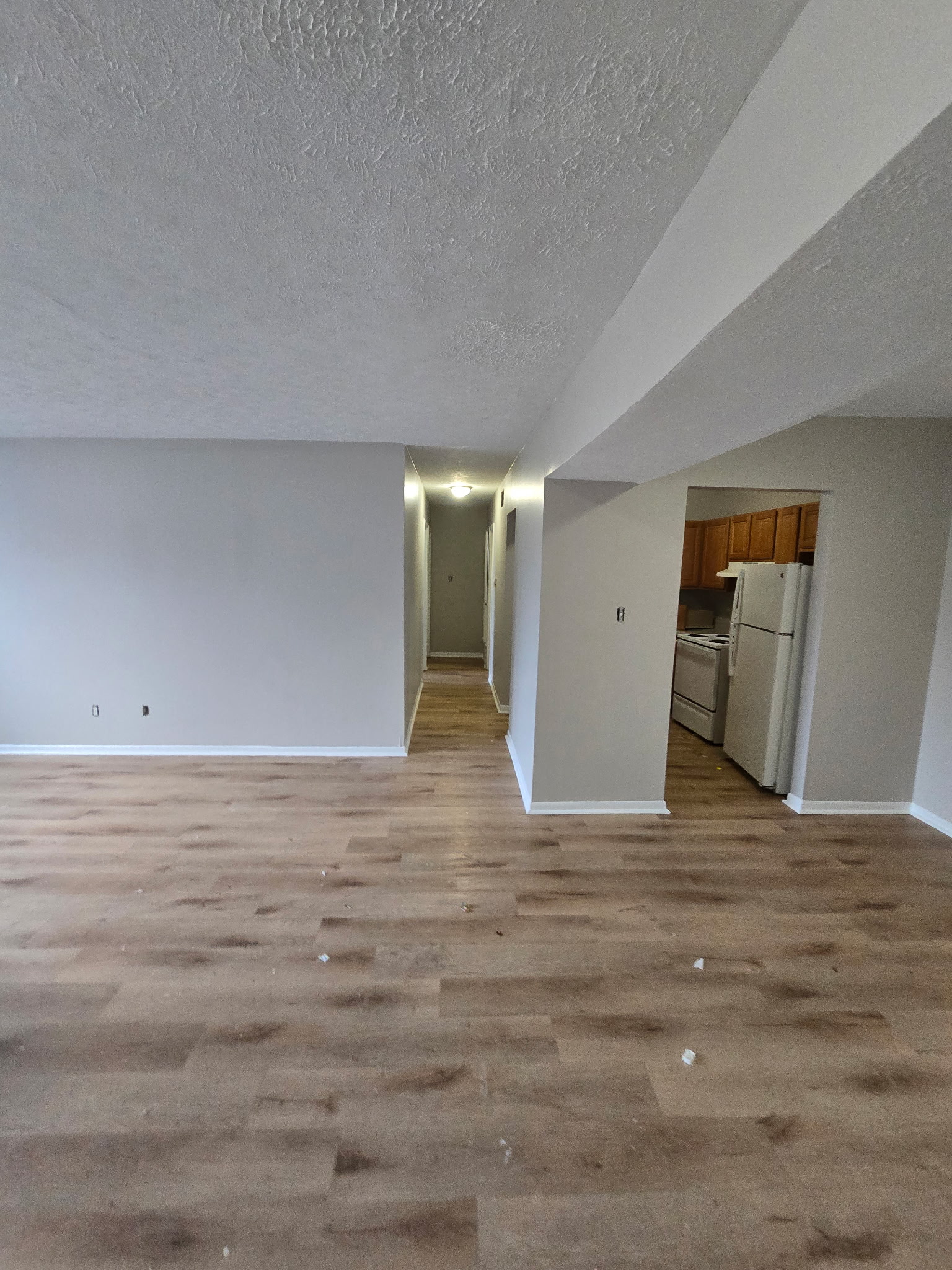
For rental units, the answer isn't eggshell or satin. It's eggshell and satin, applied strategically.
Satin belongs in hallways, kitchens, bathrooms, and any high-traffic area where durability and cleanability matter most. Eggshell belongs in bedrooms, living rooms, and lower-traffic spaces where appearance and imperfection-hiding take priority.
This approach balances maintenance costs, aesthetic appeal, and practical durability. It treats paint finish as a tool for managing the property rather than just a cosmetic choice.
The information is straightforward. The execution depends on your priorities, your timeline, and whether you'd rather handle it yourself or have someone else manage the details.
If you'd like to discuss how this applies to your specific properties, we're available.
Comments