


The Cost of Involvement: Why Sophisticated Investors Delegate the Finish

The Real Expense Isn't the Invoice
Most investors don't lose money because they overpaid for a service.
They lose it because they underestimated the cost of their own involvement.
The invoice from apartment painting contractors shows one number. The hours spent coordinating schedules, following up on missed details, and driving across town to check on progress: that cost never appears on a spreadsheet.
Yet it's often the larger figure.
The sophisticated investor understands this distinction. They recognize that their time carries a rate, whether or not they choose to acknowledge it. And they've learned, usually through experience, that the finish work on a property: the painting, the punch list, the final details before a unit goes live: is precisely where involvement becomes most expensive.
Not because the work is difficult.
Because the work is distracting.
The Assumption That Doesn't Hold
There's a persistent belief in real estate investment circles that managing the finish yourself saves money.
The logic seems sound. You know the property. You have relationships with vendors. You can make decisions on the spot without waiting for approvals or markups.
But this assumption rarely survives contact with reality.
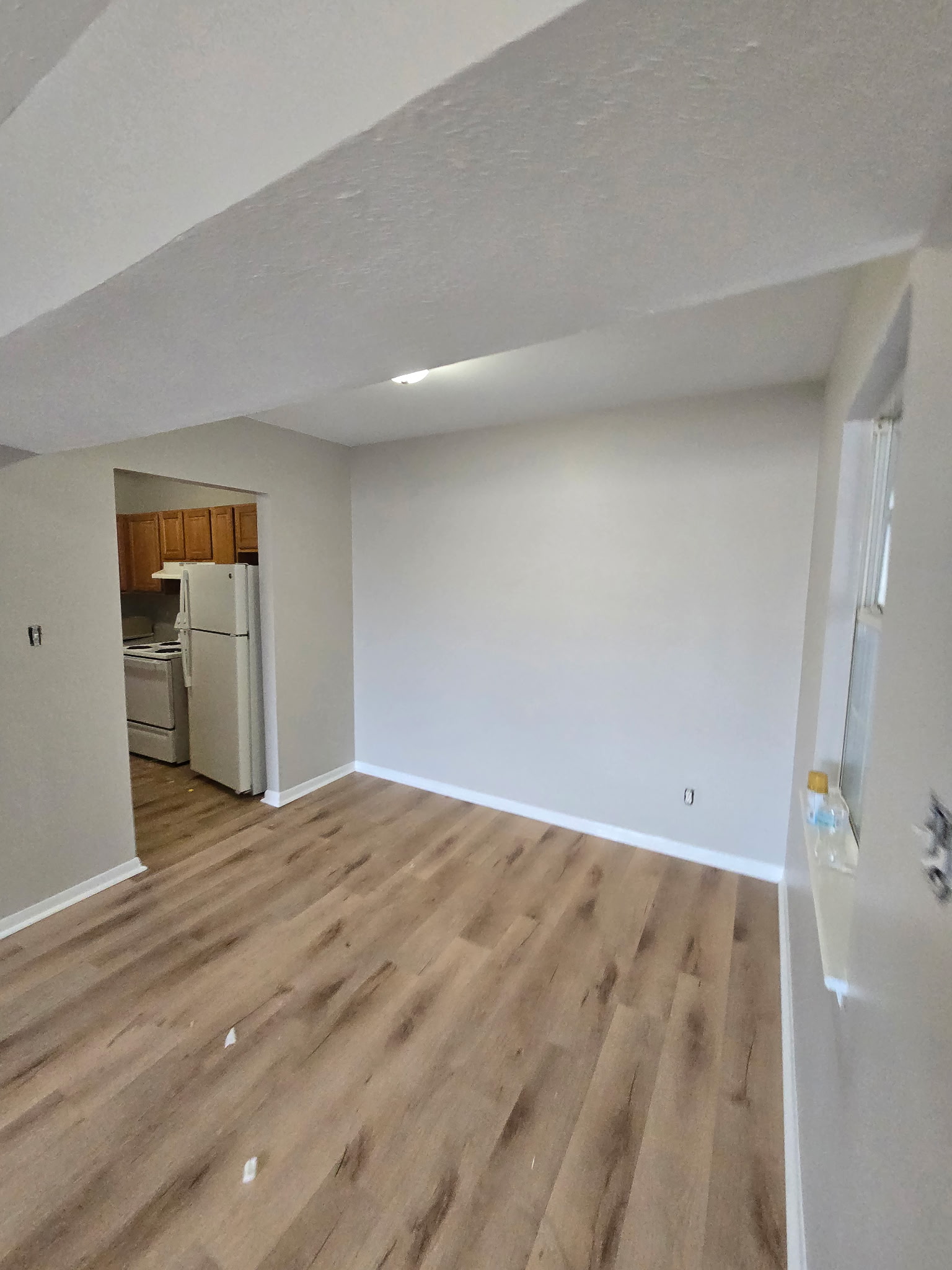
Consider what actually happens when an investor decides to personally oversee a unit turnover.
The painters in Indianapolis you found through a referral show up late. Or they show up on time but brought the wrong shade of agreeable gray. Now you're on the phone, rescheduling your afternoon, driving to the property to sort it out.
Meanwhile, the other properties in your portfolio aren't getting attention. The acquisition you were analyzing sits untouched. The property manager at another building is waiting for a callback you haven't returned.
The unit eventually gets finished. But the opportunity cost: the deals not pursued, the decisions delayed, the mental bandwidth consumed: far exceeds whatever you saved by avoiding a management fee.
This is the tradeoff that experienced investors eventually recognize.
What Patterns Reveal
After years of working with property owners, investors, and operators across Indianapolis, a consistent pattern emerges.
The investors who scale aren't the ones who work harder on individual properties. They're the ones who systematically remove themselves from execution.
They don't ask, "How do I get this done cheaper?"
They ask, "How do I get this done without my involvement?"
These are different questions with different outcomes.
The first question leads to endless vendor shopping, quality inconsistencies, and a calendar full of site visits. The second question leads to systems: reliable partners who understand the standard, execute without supervision, and free the investor to focus on what actually grows the portfolio.
The distinction matters because real estate investing, at scale, is not an operations business. It's a capital allocation business. The moment an investor starts functioning as an operations manager, they've accepted a role with a ceiling far lower than the one they were building toward.
This is why sophisticated investors treat the finish: the painting, the turnover, the final presentation: as a function to delegate entirely, not a cost to minimize personally.
The True Nature of Delegation
Delegation, done properly, is not about offloading tasks you don't want to do.
It's about recognizing which tasks represent the highest and best use of your attention: and which ones don't.
For most investors, the highest-value activities are sourcing deals, analyzing returns, negotiating terms, and managing capital relationships. These require judgment, experience, and focus.
Coordinating apartment painting contractors does not.
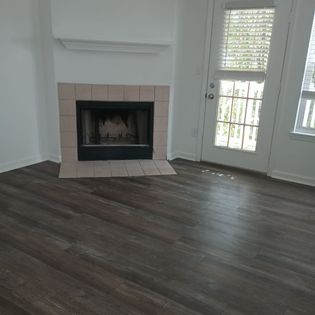
This doesn't mean the finish work is unimportant. Quite the opposite. A well-finished unit rents faster, commands higher rates, and attracts better tenants. The quality of the paint, the consistency of the trim, the attention to detail in the final presentation: these things matter enormously to the bottom line.
But they don't require the investor's personal presence to achieve.
What they require is a partner who understands the standard, has the systems to execute consistently, and can deliver certainty without requiring oversight.
This is the shift that separates investors who own a few properties from investors who build portfolios.
Certainty as a Service
The real value in delegating the finish isn't labor.
It's certainty.
When an investor hands off a turnover and knows: without checking, without following up, without driving by: that the unit will be ready on the agreed date, at the agreed standard, they've purchased something more valuable than hours saved.
They've purchased the ability to think about something else.

This is what our clients at Sanz Global describe when they explain why they work with us. They don't come looking for painters in Indianapolis. They come looking for one less thing to manage.
The painting gets done. The punch list gets cleared. The unit goes live. And the investor's attention remains where it belongs: on the portfolio, not the property.
This isn't a premium they pay reluctantly. It's an investment they make deliberately, because they've calculated the alternative.
The Arithmetic of Attention
Every hour an investor spends coordinating finish work is an hour not spent on acquisition, analysis, or relationship building.
Every mental cycle consumed by vendor management is a cycle not available for strategic thinking.
Every day a unit sits waiting for the investor to find time is a day of lost rent.
The math isn't complicated. But it does require honesty about what your time is actually worth: not in theory, but in practice.
For investors operating at scale, the answer is usually clear. The cost of involvement exceeds the cost of delegation by a wide margin.
A Different Kind of Partnership
The investors who approach us tend to have something in common.
They're not beginners looking for guidance. They're not searching for the cheapest option. They've already tried managing the finish themselves, or through loosely coordinated vendors, and they've experienced the friction firsthand.
What they want is simple: execution without involvement.
A turnover that happens on schedule. Paint that matches the standard they've established. A final presentation that reflects the quality their portfolio represents.
They want to hand off the finish and move on to the next decision.
The Question Worth Asking
You can coordinate the finish yourself.
You can source the vendors, manage the schedules, inspect the work, and handle the inevitable adjustments.
The question isn't whether you're capable.
The question is whether that's the best use of your time.
For those who've decided it isn't, our work may be relevant.
Comments