


The Velocity of Turnover: Why Speed is a Product of Preparation, Not Haste

There's a persistent belief in property management that fast turnovers require urgency. That somewhere between the move-out inspection and the new lease signing, someone needs to be rushing.
This assumption costs Indianapolis investors more than they realize. Not in obvious ways, not in broken fixtures or sloppy paint jobs, but in the quiet accumulation of friction, rework, and vacancy days that add up over years.
The truth is simpler and more useful: speed is a byproduct of preparation. It's never a product of haste.
The Difference Between Fast and Rushed
When a unit turns over in five days instead of twelve, observers assume corners were cut. They picture crews working frantically, quality sacrificed for the calendar.
But that's not how efficient operations work. Not in manufacturing. Not in logistics. And not in apartment renovation.
The units that turn fastest are the ones where decisions were made before the keys were handed back. Where material selections were already determined. Where the scope was understood before anyone picked up a brush.
Rushed work creates callbacks, punch lists, and tenant complaints in the first thirty days. Prepared work creates consistency. The difference isn't visible on day one. It becomes obvious by month six.
Why Most Turnovers Take Longer Than They Should
The standard turnover process in Indianapolis looks something like this:
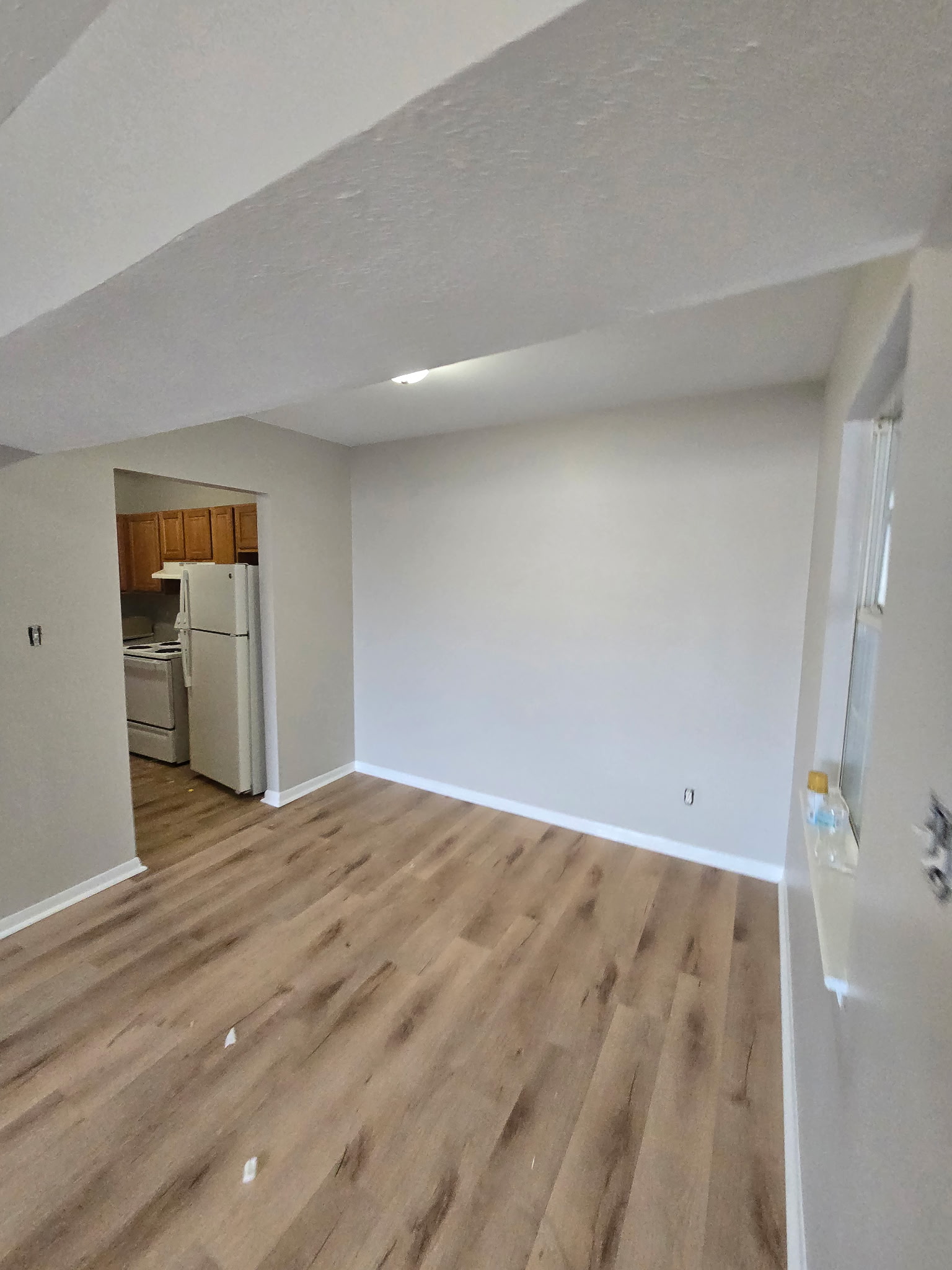
A tenant moves out. A property manager inspects the unit and creates a scope. They contact vendors, painters, cleaners, flooring specialists, and wait for availability. Each vendor arrives separately, sometimes stepping on each other's work. Decisions about paint colors or repair priorities get made on-site, mid-project.
The result is a timeline driven by coordination failures rather than actual work requirements.
A two-bedroom apartment doesn't need twelve days of labor. It needs twelve days because no one planned for it to need less.
This isn't a criticism of property managers. They're managing dozens of competing priorities. But when turnover timelines stretch, the cost compounds. Every additional vacancy day represents lost rent. Every coordination delay represents someone's attention pulled away from higher-value decisions.
The question isn't how to work faster. It's how to remove the friction that makes work slow.
Systems Create Predictability
The research on operational velocity, whether in sales pipelines, inventory management, or service delivery, points to the same conclusion: speed comes from structure.
When a direct-to-consumer brand improved their inventory turnover from four times annually to six times, their cycle time dropped from 91 days to 61 days. That acceleration didn't come from working harder or moving faster. It came from better forecasting and refined processes.
The same principle applies to apartment turnovers.
A system that pre-determines paint specifications eliminates color selection delays. A process that sequences trades correctly prevents rework. A relationship with vendors who understand expectations reduces the back-and-forth that eats up days.
None of this requires urgency. It requires clarity.
The Hidden Cost of "Good Enough"
There's a temptation to accept longer timelines as the cost of doing business. Twelve days becomes normal because twelve days has always been normal.
But normal isn't the same as optimal.
Consider the math on a $1,200/month unit. Each vacancy day costs roughly $40 in lost rent. A turnover that takes twelve days instead of six represents $240 in additional vacancy cost. Across ten units per year, that's $2,400. Across a portfolio of fifty units, it's $12,000.
These aren't dramatic numbers in isolation. But they accumulate. And they represent only the direct cost, not the cognitive load of managing extended timelines, not the opportunity cost of attention spent coordinating what should coordinate itself.
The investors who treat turnover velocity as a strategic priority aren't doing so because they're impatient. They're doing so because they understand that systems compound over time.
What Preparation Actually Looks Like
Preparation isn't complicated. It's just intentional.
It means having standard specifications documented before a unit becomes vacant. Paint colors, sheen levels, flooring options, fixture standards: decisions that can be made once and applied consistently.
It means understanding the sequence of work. Painting before flooring. Repairs before painting. Cleaning last. When trades arrive in the wrong order, they create delays for each other.
It means having relationships with vendors who can execute without extensive oversight. Not because oversight isn't valuable, but because the right partners don't require it for routine work.
And it means treating the turnover process as a system rather than a series of isolated events. Each unit is an iteration. Each iteration is an opportunity to refine.
The Relationship Between Speed and Quality
There's an assumption that speed and quality are in tension. That you can have one or the other, but not both.
This is true when speed comes from rushing. It's false when speed comes from preparation.
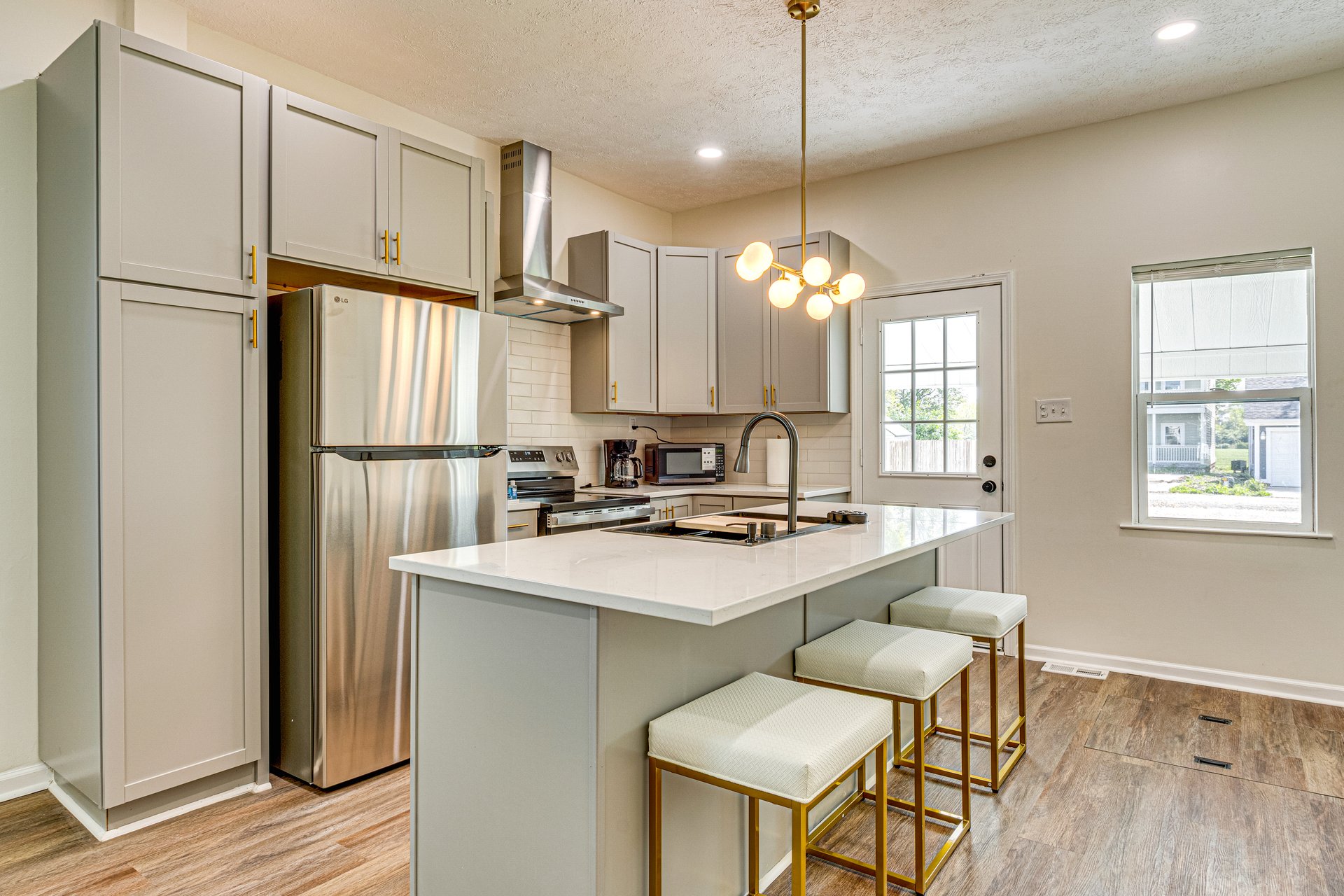
A well-prepared turnover doesn't sacrifice quality for the calendar. It achieves both because the conditions for quality were established before work began. The paint specifications were appropriate for rental durability. The repair standards were defined. The inspection criteria were clear.
Quality suffers when decisions get made under pressure, on-site, without context. It thrives when decisions get made deliberately, in advance, with full information.
The fastest turnovers we see in Indianapolis aren't the ones where someone worked weekends. They're the ones where the work was defined correctly from the start.
A Different Way to Think About Turnover
Most conversations about apartment turnovers focus on tactics. How to find faster painters. How to schedule more efficiently. How to reduce costs per unit.
These conversations have value. But they miss the larger point.
The real leverage isn't in doing the same work faster. It's in changing the conditions so that fast work becomes the natural outcome.
This requires a shift in perspective. From treating turnovers as emergencies to treating them as predictable events. From coordinating vendors reactively to establishing systems proactively. From making decisions under pressure to making decisions in advance.
The investors who make this shift don't just see faster turnovers. They see more consistent turnovers. More predictable cash flow. Less time spent managing what should manage itself.

The Philosophy Behind the Practice
At its core, this is a question of where you want to spend your attention.
Every hour spent coordinating a turnover is an hour not spent on acquisition, tenant relations, or portfolio strategy. Every decision made on-site is a decision that could have been systematized.
The goal isn't to eliminate involvement in turnovers. It's to make that involvement strategic rather than operational. To focus on the decisions that actually require judgment and delegate the rest to systems and partners who can execute without friction.
This is what preparation makes possible. Not just faster timelines, but better use of the time you have.
For Indianapolis property owners who want turnovers handled with this level of intentionality, Sanz Global offers painting and renovation services built around predictability. The approach is straightforward: define the work clearly, execute it consistently, and deliver units that are ready: not rushed.
If that aligns with how you think about your portfolio, a conversation might be worthwhile. If not, the principles here apply regardless of who does the work.
Comments