


The Standard of Certainty: Moving Beyond the Common Failures of Apartment Painting
- Vinicio Sanchez
- Jan 27
- 5 min read
There is a particular kind of frustration that apartment owners in Indianapolis know well. It arrives quietly, usually a few months after a turnover. A tenant complains about peeling paint in the bathroom. The hallway walls already show scuff marks that won't wipe clean. The "fresh" unit looks tired before the first lease renewal.
The paint job was supposed to be done. Checked off the list. One less thing to think about.
And yet here it is again, demanding attention.
This is not a conversation about mistakes. Everyone knows that poor painting happens. What fewer people examine is why it keeps happening: and what it actually costs when it does.
The Assumption Worth Questioning
Most property owners treat apartment painting as a commodity task. Find someone available. Get a quote. Confirm the colors. Move on.
This approach makes sense on the surface. Painting is painting. Walls get covered. The unit looks better than it did. The logic holds until reality intervenes.
The problem is not that painting is simple. The problem is that simple-looking work hides complex execution. And when execution falters, the costs rarely appear on an invoice.
They appear in callbacks. In extended vacancies. In tenants who notice the details you hoped they wouldn't. In the slow erosion of a property's perceived value.
Standard turnover painting fails not because contractors are incompetent, but because the system rewards speed over certainty. When the goal is "done," the standard becomes "good enough." And good enough has a shelf life.
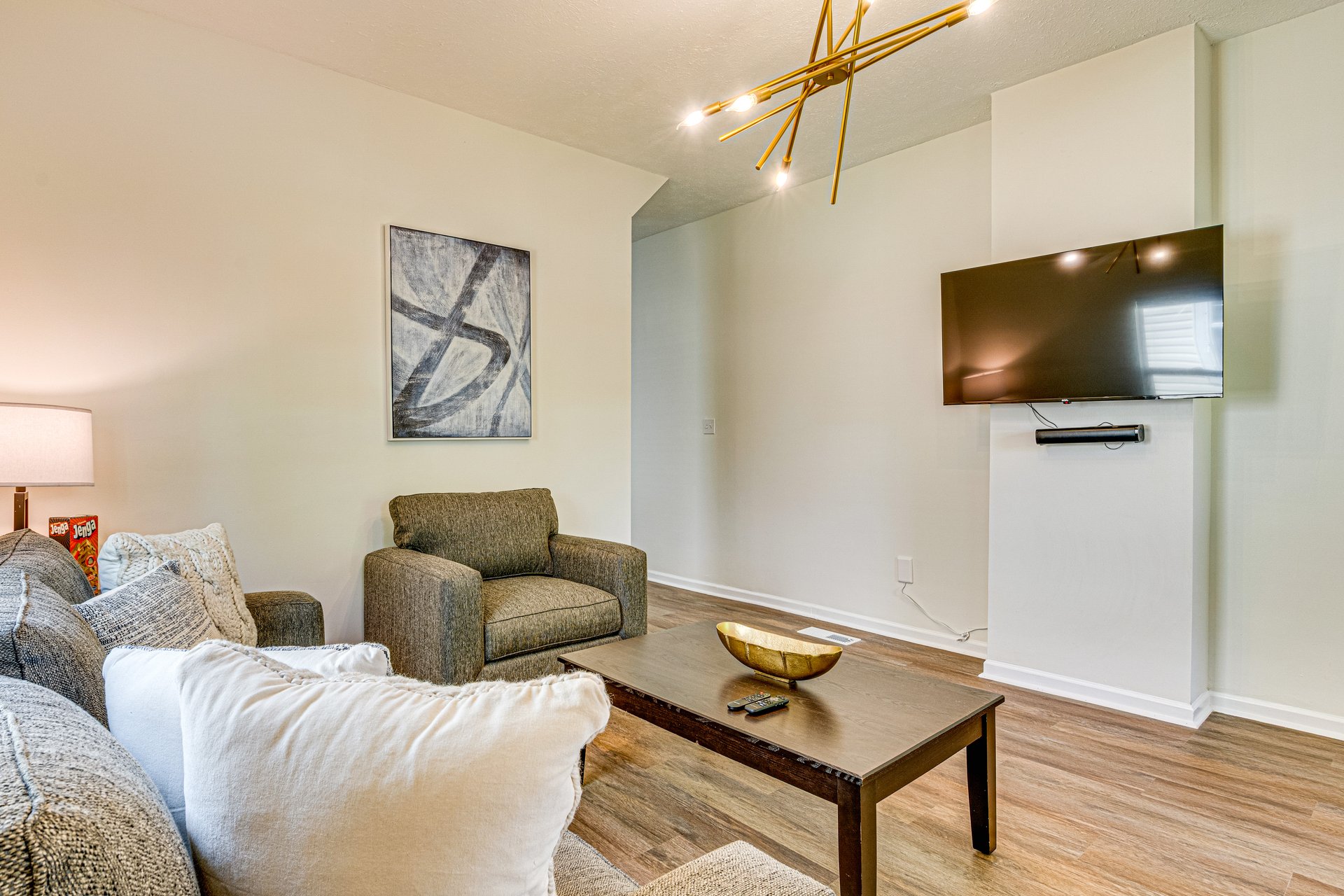
Where the Failures Actually Live
The visible failures are easy to identify. Drips on trim. Roller marks on ceilings. Cut lines that wander where wall meets ceiling. These are symptoms, not causes.
The deeper failures are structural. They happen before the brush ever touches the wall.
Surface preparation that doesn't happen. Painting over dust, grease, or damaged drywall creates adhesion problems that reveal themselves months later. The paint looks fine at walkthrough. It begins failing the moment a tenant moves furniture against it.
Primer that gets skipped. Primer is invisible once covered. It's also the difference between paint that bonds and paint that sits on the surface waiting to chip. When schedules tighten, primer is often the first casualty.
Product selection based on price. Low-quality paint costs less per gallon and more per year. It doesn't hold up to cleaning. It fades faster. It requires repainting sooner. The savings disappear into the next turnover budget.
Application without system. Professional results require a sequence: ceiling, walls, trim: executed with wet edges and consistent technique. Without a system, each painter improvises. Improvisation creates inconsistency. Inconsistency creates the patchwork appearance that makes a unit feel cheap regardless of rent price.
None of these failures announce themselves immediately. They accumulate. They compound. They become the reason a property feels dated five years before it should.
The Hidden Arithmetic
Consider a straightforward scenario. An apartment turns over. The painting crew finishes in a day, stays on budget, and the unit lists on schedule.
Six months later, the bathroom ceiling is bubbling. The hallway shows wear that shouldn't appear this soon. The tenant mentions it during a maintenance call.
Now calculate the real cost.
There's the callback itself: scheduling, labor, materials. There's the disruption to the tenant relationship. There's the internal time spent coordinating a fix that shouldn't be necessary.
Multiply this across a portfolio. Add the units where problems go unreported but still affect renewal decisions. Add the prospective tenants who walked the unit, noticed the quality, and chose somewhere else without saying why.
The gap between adequate and excellent is not marginal. It's the difference between a property that holds value and one that slowly loses position in the market.
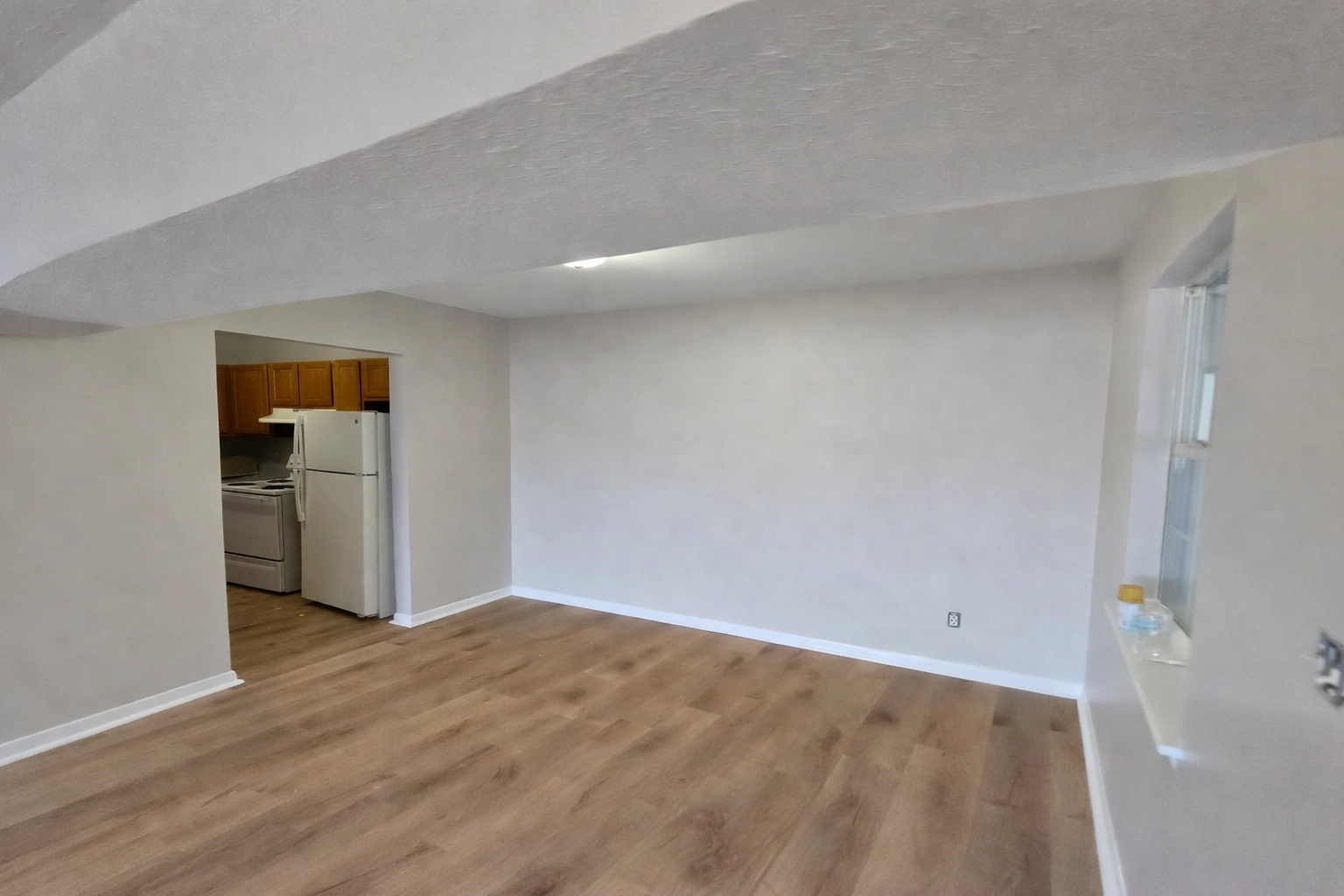
What Certainty Actually Requires
The opposite of failure is not perfection. It's reliability.
Reliable outcomes in apartment painting come from a handful of non-negotiable elements.
Proper sequencing. Work flows top to bottom. Ceilings before walls. Walls before trim. This prevents contamination and eliminates the drip corrections that slow everything down.
Surface integrity before surface appearance. Repairs happen first. Cleaning happens first. Priming happens where priming is needed: stains, patches, color transitions. The finish coat succeeds because the foundation was built to support it.
Material selection matched to use case. High-traffic areas require durable formulations. Kitchens and bathrooms require moisture resistance. Neutral colors maximize tenant appeal and minimize callback requests for touch-ups. These are not preferences. They are specifications based on how apartments actually get used.
Uniform technique across the entire scope. One standard. One system. Every wall finished to the same level. No improvisation. No variation based on which crew member handled which room.
Final inspection before handoff. Edges checked. Coverage confirmed. Imperfections addressed before they become the tenant's first impression.
This is not complicated. It is simply not compatible with the "get it done fast and cheap" model that dominates turnover painting.
The Choice That Remains
Information about painting standards is freely available. Any property owner can learn what proper preparation looks like. Any maintenance coordinator can understand why primer matters.
The question is never about knowledge. It's about execution.
Execution requires time. It requires systems. It requires accountability for outcomes rather than just activities.
For some owners, building that internal capacity makes sense. They have the bandwidth, the interest, and the operational infrastructure to manage quality at this level.
For others, the calculation points elsewhere. Their time is better spent on acquisition, on portfolio strategy, on the decisions that move their business forward. The painting still needs to happen: but it doesn't need to occupy their attention.
Both paths are valid. Both have costs. The only mistake is assuming that choosing the faster, cheaper option comes without consequence.
A Different Standard
At Sanz Global, we work with Indianapolis property owners who have decided that certainty is worth more than convenience. They've experienced the hidden costs of standard turnover painting. They've done the math on callbacks and premature repaints and tenant impressions.
They don't hire us because they can't find someone cheaper. They hire us because they've learned what cheaper actually costs.
We approach apartment painting as a system rather than a task. Preparation is built into the process, not treated as optional. Materials are specified for durability, not just coverage. Every unit leaves our scope ready to perform for years, not months.
This is not the right fit for everyone. Some portfolios prioritize different metrics. Some owners prefer to manage execution themselves.
For those who want the outcome without the overhead, the conversation is simple. We discuss your properties. We explain our approach. You decide whether it aligns with how you want to operate.
No pressure. No urgency. Just clarity about what's possible when painting is treated as an investment rather than an expense.
The failures of standard apartment painting are predictable. So are the costs. The only variable is whether you choose to accept them or move beyond them.
That choice, as always, remains yours.