


Are You Making These Common Apartment Make-Ready Mistakes?

The difference between a 10-day turnover and a 30-day turnover often isn't effort. It's the accumulation of small oversights that compound into delays, rework, and lost revenue.
Most property managers know what a good make-ready looks like. The challenge isn't knowledge: it's execution under pressure. When you're managing multiple units across different properties, the margin for error shrinks. One missed step can cascade into a punch list that takes twice as long to resolve.
Here's what separates efficient turnovers from expensive ones.
Mistake #1: Treating Paint Touch-Ups as an Afterthought
You walk the unit. The walls look "fine." A few scuffs here and there, maybe a spot where the last tenant hung a picture. It feels wasteful to repaint the entire room for a handful of marks.

This logic sounds reasonable until you realize that partial touch-ups rarely match. Different batches of paint, lighting angles, and surface prep all affect the final appearance. What starts as a cost-saving measure turns into a unit that looks patchy under natural light: or worse, during a showing.
The real cost isn't the paint. It's the time your leasing team spends addressing concerns from prospective tenants who notice the inconsistency. It's the extended vacancy because someone chose a competing property that felt more "move-in ready."
Professional painting isn't about perfection for its own sake. It's about creating a neutral, clean slate that doesn't draw attention to itself. When done correctly, no one notices the walls: and that's exactly the point.
Mistake #2: Skipping the Pre-Walk Inspection
You schedule the painter, the cleaner, and the flooring crew based on the move-out date. Everyone shows up on their assigned day, ready to work. Then they discover issues that should have been addressed first: water damage that needs drywall repair, outlets that don't work, a bathroom exhaust fan that never actually vented anywhere.
Now your timeline is scrambled. The painter can't start until the drywall work is done. The flooring team has to come back. Coordination breaks down, and what should have been a linear process becomes a juggling act.

A proper pre-walk identifies these problems before anyone picks up a brush or rolls out flooring. It's not about pessimism: it's about sequencing. When you know what needs to happen and in what order, you can schedule accordingly. The work doesn't take longer; it just happens in the right sequence.
Mistake #3: Using "Good Enough" Standards for Detail Work
Baseboards with gaps. Outlet covers that don't sit flush. Light switches that work but wobble when you flip them. Cabinet doors that close, technically, but require a specific angle and force to latch properly.
None of these issues would fail an inspection. Most tenants won't mention them during the walkthrough. But they notice. And over time, these small compromises shape their perception of how the property is maintained.

The paradox is that fixing these details doesn't take significantly more time when you have the right process. It's about standards, not effort. A team that's trained to address these items as part of their checklist doesn't spend more hours on site: they just spend those hours differently.
The return shows up in retention. Tenants who feel like they're living in a well-maintained property are less likely to leave over minor rent increases. They're more likely to report maintenance issues early, before they become expensive problems. The attention to detail compounds over the lease term.
Mistake #4: Coordinating Trade Work Without a Single Point of Contact
You hire the painter directly. The flooring contractor comes from a different referral. Your in-house maintenance team handles the plumbing and electrical. Everyone's working in the same unit, but no one's really coordinating with each other.
The painter shows up and finds the flooring crew already there. They work around each other, but the sequence isn't ideal: now there's a risk of paint drips on new flooring. The electrician needs to cut into a wall that was just painted. Small inefficiencies multiply.
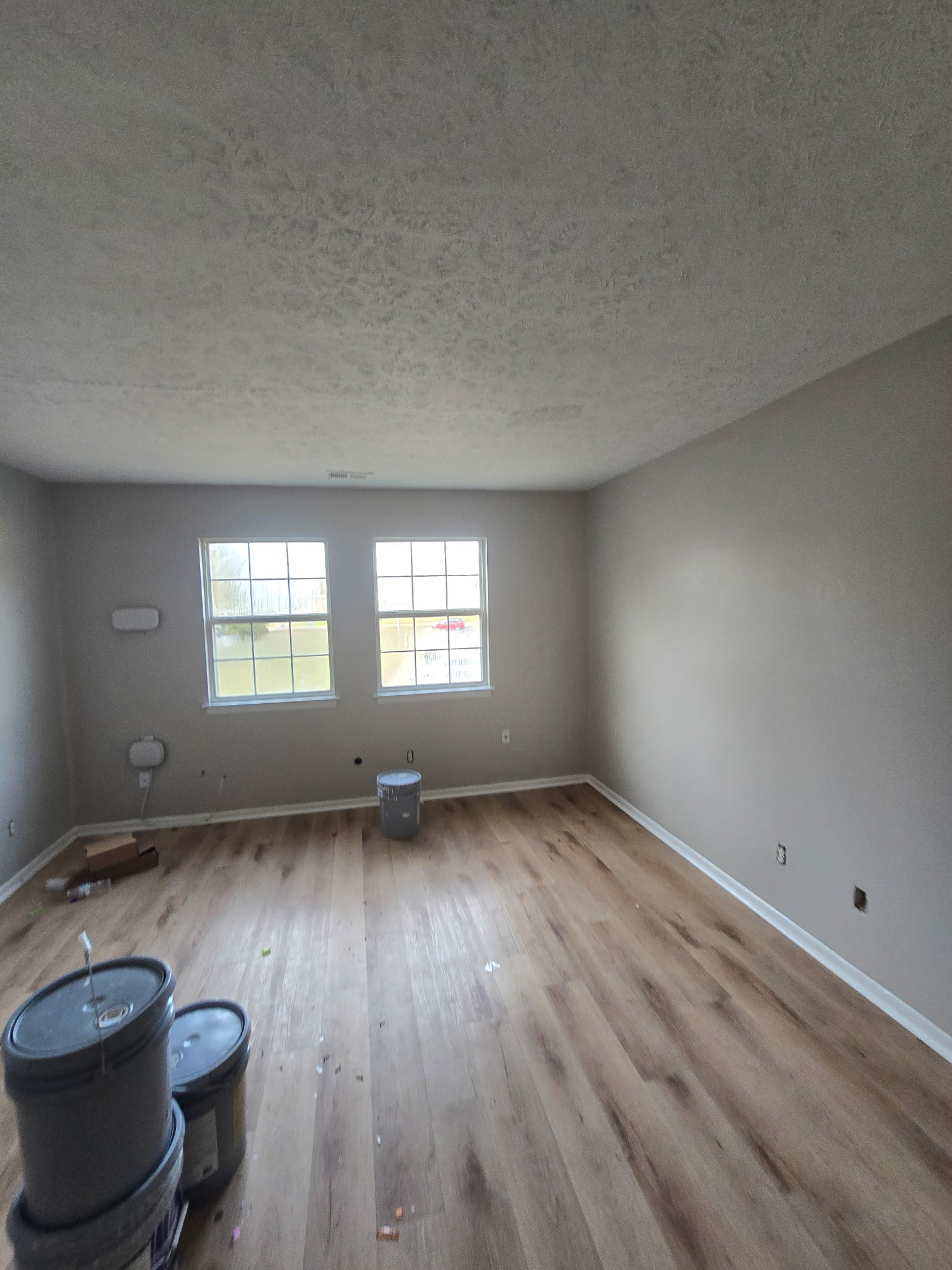
The cost isn't just time: it's accountability. When something goes wrong, who's responsible? The painter says the wall was damaged after they left. The flooring contractor says the paint wasn't fully dry when they arrived. You spend hours mediating instead of moving forward.
A single point of contact eliminates this friction. One team coordinates all the trades, manages the schedule, and takes responsibility for the final result. You're not managing vendors: you're working with a partner who manages them for you.
Mistake #5: Treating Speed and Quality as Trade-Offs
The default assumption is that faster work means lower quality, or that higher quality means longer timelines. This logic holds when you're working with individuals who are trying to do everything themselves.
It breaks down when you have systems.

A professional team isn't necessarily working faster in terms of brush strokes per minute. They're eliminating the delays that happen between tasks. They arrive with the right materials. They prep correctly the first time. They sequence work so nothing has to be redone. The actual labor hours might be similar: but the calendar time shrinks because there's no wasted motion.
Speed is a byproduct of preparation, not urgency. When you're not constantly problem-solving on site, the work flows. Quality doesn't suffer: it improves, because no one's rushing to compensate for poor planning.
Mistake #6: Accepting Variability as Normal
Every make-ready is different, so every timeline varies. That's the explanation property managers give themselves when some units turn in 7 days and others take 28.
Some variability is inevitable. Units have different layouts, different levels of wear, different tenant-caused damage. But when the range is that wide, the problem usually isn't the units: it's the lack of standardization in how they're approached.
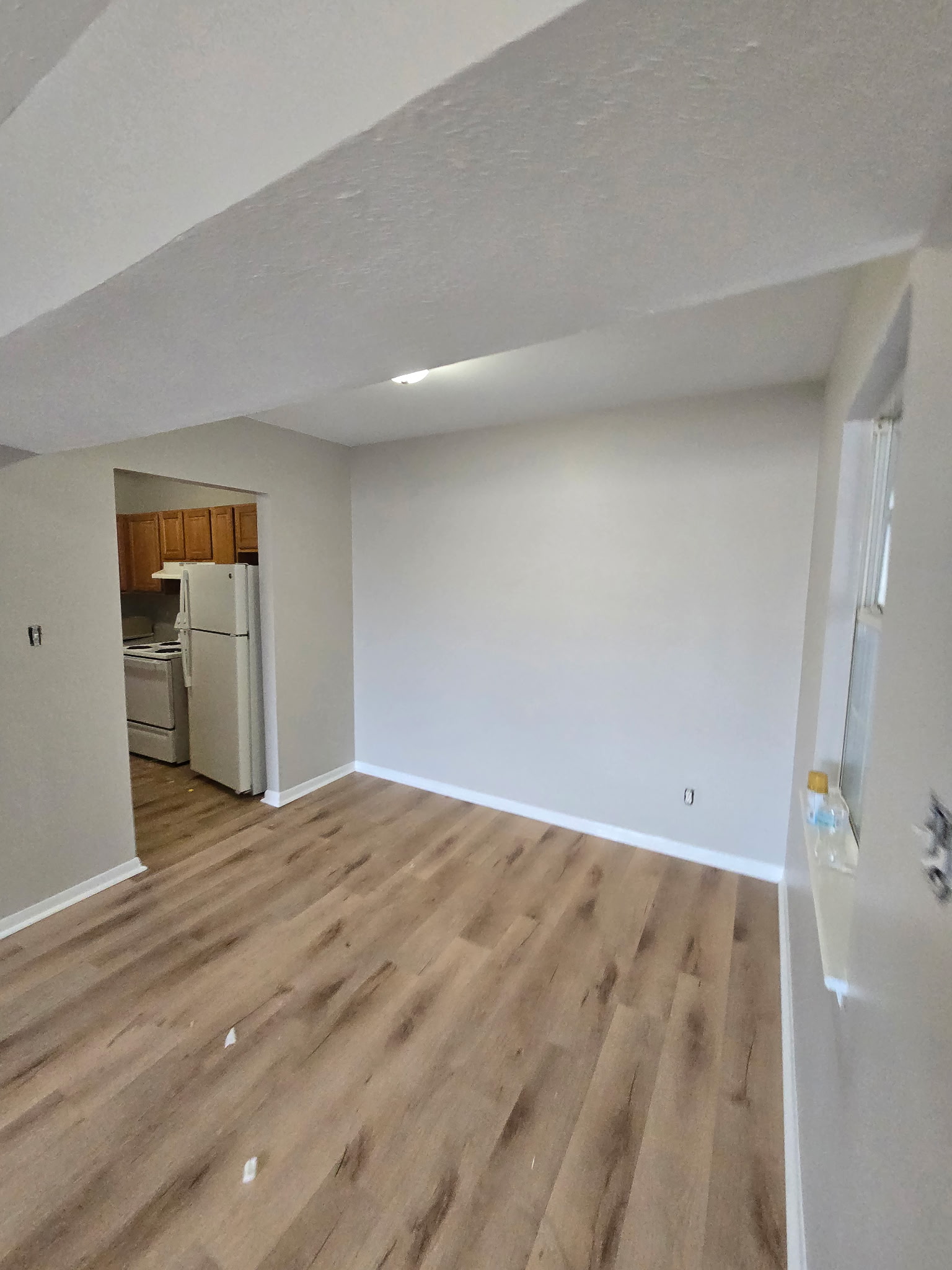
A consistent process doesn't mean every unit takes the exact same time. It means you can predict, with reasonable accuracy, how long a given scope will take. When timelines vary significantly, it's often because the scope wasn't clearly defined, the sequence wasn't optimized, or communication between trades broke down.
Reducing variability reduces stress. You can give your leasing team realistic expectations. You can market units confidently. You're not constantly explaining why this particular turnover is taking longer than the last one.
What Actually Works
The common thread in all these mistakes is the same: treating make-ready as a series of independent tasks instead of an integrated process.
Professional property management isn't about working harder. It's about having systems that remove the need for constant decision-making. When you work with a team that's done this hundreds of times, you're not buying labor hours: you're buying a repeatable process that accounts for the details most people overlook until something goes wrong.
At Sanz Global, we approach make-ready work the way sophisticated investors approach portfolio decisions: we focus on what compounds. Small improvements in sequencing, communication, and quality standards don't just make individual turnovers better: they reduce your cognitive load across all your properties.
You're not managing punch lists and coordinating schedules. You're reviewing completed work and making approval decisions. The execution happens without requiring your constant input.

The Optional Path Forward
Most property managers already know what needs to happen during a turnover. The constraint isn't information: it's implementation.
You have two options. You can continue managing the details yourself, coordinating multiple contractors, and absorbing the variability that comes with piecemeal execution. That's a valid choice, particularly if you have the time and systems to manage it effectively.
Or you can delegate the entire process to a team that treats make-ready as their core competency, not a side service. The work still happens: you're just not the one tracking every detail.
If you'd like to discuss how we approach apartment turnovers, you can reach out here. No pressure, no urgency. Just a conversation about whether our process aligns with how you prefer to operate.
Either way, the units still need to turn. The only question is how much of your attention that process requires.
Comments