


The Property Manager's Guide to Faster Make-Ready Services in Indianapolis

Every vacant day costs money. That's not a revelation. But the conversation around make-ready services often focuses on working faster, when the real leverage is in working smarter.
For Indianapolis property managers juggling multiple units, the difference between a 10-day turnover and a 21-day turnover isn't hustle. It's process.
This guide breaks down what actually accelerates make-ready timelines: and what tends to slow them down without anyone noticing.
The Real Cost of Vacancy
A vacant unit isn't just lost rent. It's compounding cost.
There's the mortgage or financing that doesn't pause. Utilities you're still covering. Insurance premiums that don't care whether someone's living there. Marketing spend to fill the gap. And the opportunity cost of your attention being pulled toward a problem instead of toward growth.
In Indianapolis, where the rental market moves in predictable seasonal waves, timing matters. A unit that sits empty in January doesn't just lose one month of rent: it often loses momentum that carries into February and March.
The goal isn't to rush through turnovers. It's to remove the friction that makes them take longer than they need to.
What Actually Slows Down Make-Ready Services
Most delays don't come from the work itself. They come from the gaps between decisions.
Here's what typically happens:
A tenant moves out. The property manager schedules an inspection: but it takes four or five days to get someone on-site. The inspection reveals work that needs approval. The owner takes a few days to respond. Then vendors need to be scheduled. One vendor is delayed, which pushes back another. Suddenly, two weeks have passed and the unit still isn't listed.
The painting took two days. The flooring took one. The actual labor wasn't the bottleneck.
The bottleneck was waiting.
Building a System That Works
Speed comes from structure. When every turnover follows the same workflow, decisions happen faster because everyone knows what to expect.
The 24–48 Hour Inspection Window
The clock starts the moment a tenant hands over keys. A detailed move-out inspection within 24 to 48 hours sets the tone for everything that follows. This isn't about rushing: it's about momentum.
During this inspection, document everything. Photos, video, written notes. This becomes your baseline for scoping the work and getting owner approval without back-and-forth.
Prioritization by Impact
Not all work is equal. Some repairs are necessary to list the unit. Some are necessary before a tenant can move in. Some improve ROI over time. And some are nice-to-haves that can wait.
Categorizing work this way prevents scope creep. It also makes owner conversations easier. Instead of presenting a long list of line items, you're presenting a clear recommendation: here's what needs to happen now, here's what can wait, here's why.
Pre-Approved Thresholds
Delays often happen because someone needs to approve a $200 repair. Establishing a pre-approved spending threshold: many Indianapolis property managers use $400 to $500: eliminates that friction for routine items.
Emergencies and major work still require approval. But standard make-ready tasks shouldn't need a phone call every time.
The Hybrid Staffing Model
There are two ways to handle make-ready work: in-house teams and outside vendors. Both have tradeoffs.
In-house technicians offer speed and control. They're already on your calendar. They know your standards. They can respond same-day when needed.
Outside vendors offer specialization. You probably don't need a full-time glazing technician on staff. But you do need access to one when a bathtub needs refinishing.

The most efficient property managers use both. Common repairs: patching drywall, touch-up painting, lock rekeying, basic cleaning: stay in-house. Specialty work: flooring installation, reglazing, major electrical or plumbing: goes to vetted vendors with established relationships.
The key word is vetted. A vendor who shows up late, does inconsistent work, or can't be reached when you need them isn't saving you money. They're costing you days.
Building a reliable vendor network takes time. But once it's in place, it becomes one of your biggest advantages.
What Make-Ready Services Actually Include
For Indianapolis rental properties, a standard make-ready typically covers:
Deep cleaning: Appliances, cabinets, baseboards, windows, bathrooms, and garage if applicable
Wall repairs and painting: Patching holes, repainting scuffed or damaged walls, refreshing trim
Flooring: Cleaning, repairing, or replacing carpet, vinyl, or laminate as needed
Security: Rekeying locks, testing smoke and carbon monoxide detectors, verifying deadbolts
Exterior: Lawn care, pressure washing walkways and porches, basic curb appeal maintenance
Code compliance: Ensuring the unit meets all local habitability requirements
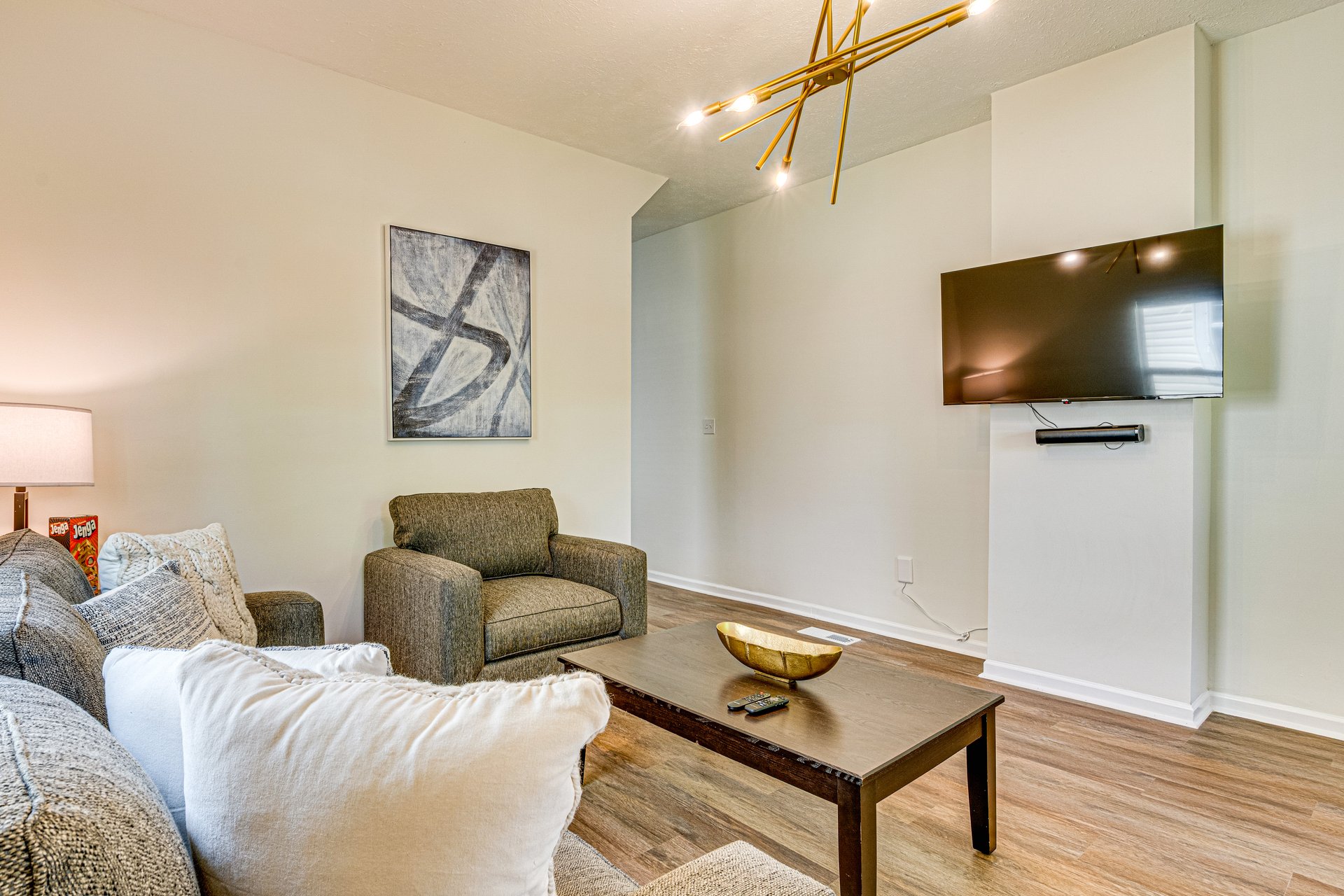
The scope varies by property and condition. But the goal is always the same: clean, compliant, and rent-ready.
A unit that meets that standard attracts better tenants, rents faster, and generates fewer maintenance calls down the road.
Documentation and Communication
Transparency reduces disputes. It also reduces delays.
Video documentation throughout the turnover process: move-out condition, work in progress, final walkthrough: creates a clear record that protects everyone. Owners can see exactly what was done. Tenants can't dispute charges without evidence. And your team has a reference point for future turnovers.
Many property managers now use maintenance coordination platforms that track work orders in real time. Technicians upload photos. Owners see progress without having to call. Approvals happen with a click instead of a voicemail chain.
This isn't about adding technology for its own sake. It's about removing the friction that comes from people waiting on information.
Timeline Best Practices
There's no universal "right" timeline for a make-ready. A unit that needs full painting, new flooring, and appliance replacement will take longer than one that just needs cleaning and a few touch-ups.
But there are principles that apply across the board:
Start the inspection immediately. Every day between move-out and inspection is a day lost.
Get approvals in writing, in advance. Pre-approved thresholds and clear communication protocols eliminate decision delays.
Schedule vendors before you need them. If you know flooring is going in next week, lock in the installer now.
Sequence the work logically. Painting before flooring. Repairs before cleaning. Each trade should be able to start when they arrive, not wait for someone else to finish.
Build in a buffer for final punch list. The last 10% of a turnover often takes longer than expected. Plan for it.
The Quiet Advantage
Faster turnovers aren't about cutting corners. They're about removing waste.
Waste in the form of waiting. Waste in the form of rework. Waste in the form of decisions that could have been made last week.
When the process is dialed in, turnovers feel almost boring. The same steps, the same sequence, the same result. That's the point.
Indianapolis property managers who treat make-ready as a system: not a scramble: consistently outperform those who don't. They fill units faster. They retain better tenants. They spend less time putting out fires.
The information is here. What you do with it is up to you.
If you're looking for a partner who handles turnover painting and renovation work with this kind of structure, Sanz Global serves property managers throughout Indianapolis. We're happy to talk through what a streamlined process could look like for your portfolio.
Comments