


Moisture’s Silent Infiltration: How Exterior Paint Protects Your Interior Walls

In the management of high-value real estate, there is a tendency to categorize exterior painting as an aesthetic endeavor: a way to maintain "curb appeal" or satisfy a neighborhood association. However, this perspective overlooks the structural physics of a building. In truth, the paint on your exterior siding is not a decoration; it is a functional membrane.
When this membrane fails, the consequences are rarely confined to the outside. Moisture is patient and opportunistic. It does not simply sit on the surface; it infiltrates. For property owners in Indianapolis, where seasonal shifts create constant expansion and contraction, understanding the transition from exterior neglect to interior damage is essential for long-term asset preservation.
The Illusion of the Cosmetic
The first sign of paint failure is often subtle: a slight chalking, a hairline crack at a joint, or a loss of sheen. To the untrained eye, these are cosmetic flaws. To the building professional, these are breaches in the home’s primary defensive line.
A building’s "envelope" is designed to keep the conditioned interior environment separate from the volatile exterior. Paint is the final seal of that envelope. When paint begins to peel or thin, the underlying substrate: whether wood, fiber cement, or masonry: becomes porous. It begins to absorb atmospheric moisture rather than shedding it.
Once moisture enters the substrate, the clock begins to tick. The water begins a process of "silent infiltration," migrating through the siding and into the wall cavity. By the time you see evidence of this on your interior drywall, the structural elements behind the scenes have likely been compromised for months, if not years.

(Visual: A detailed diagram showing the layers of a standard exterior wall: paint, siding, vapor barrier, insulation, and interior drywall: illustrating how moisture penetrates through cracks in old paint to reach the interior.)
The Mechanics of Infiltration
Understanding how water moves through a wall is key to appreciating the value of a high-performance coating. Water infiltrates through several primary mechanisms:
Capillary Action: Small cracks in the paint act like straws, sucking water deep into the wood grain or masonry.
Hydrostatic Pressure: During heavy Indiana rainstorms, wind pushes water against the house with significant force, finding any gap in the sealant or paint.
Vapor Pressure: As the sun hits wet siding, the water turns to vapor and is driven inward toward the cooler interior of the home.
If the exterior paint is intact and well-maintained, these forces are neutralized at the surface. When the paint is neglected, the water reaches the sheathing and the insulation. Wet insulation loses its R-value, leading to higher energy costs, but more importantly, it creates a dark, damp environment where mold and wood rot thrive.
When the Outside Moves In
The transition from an exterior maintenance issue to an interior renovation crisis is often marked by a series of expensive "surprises." Many property owners find themselves dealing with 7 drywall repair mistakes precisely because they are treating the symptom (bubbling interior paint) rather than the cause (exterior infiltration).
When moisture reaches the interior side of the wall, you may notice:
Yellow or brown staining on the top of window frames.
A "musty" odor that persists despite cleaning.
Peeling wallpaper or bubbling paint on the interior of exterior-facing walls.
Soft spots in the drywall near the baseboards.
At this stage, the scope of work has shifted from a preventative painting project to a full renovation estimate. The cost of remediation: removing mold, replacing insulation, and repairing structural studs: can easily be five to ten times the cost of a proactive exterior paint cycle.

The Ghost Unit: Vacancy and Moisture
For real estate investors, the most significant risk of moisture infiltration isn't just the repair bill; it’s the "Ghost Unit." This is our term for a property that is technically occupied but is losing money due to underlying issues that drive tenant dissatisfaction.
If a tenant experiences recurring mold or dampness, they are unlikely to renew their lease. In some cases, it can even lead to legal complications or forced vacancies. High tenant turnover is one of the single greatest drains on ROI. Maintaining a dry, sealed building is a fundamental pillar in any strategy to reduce tenant turnover expenses.
A dry home is a healthy home. By investing in the exterior seal, you are indirectly investing in the longevity of your interior finishes and the satisfaction of your occupants.
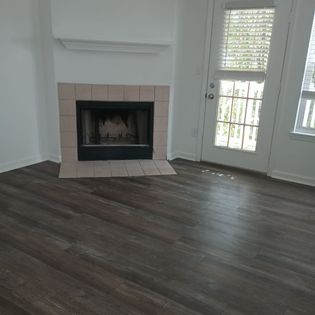
Systems Over Effort: The Sherwin-Williams Duration Advantage
At Sanz Global LLC, we advocate for systems that minimize the need for frequent intervention. This is why we prioritize high-performance products like Sherwin-Williams Duration.
In the Indianapolis climate, standard "contractor grade" paints often fail within three to five years. They lack the elasticity to handle the expansion of wood during humid summers and the contraction during freezing winters. Once they lose elasticity, they crack.
Duration is formulated with PermaLast® technology, which creates a thicker, more flexible coating. It bridges minor cracks and provides a level of moisture resistance that standard paints cannot match. While the initial investment in premium materials and professional painting services is higher, the "cost per year of protection" is significantly lower.
By choosing a superior system, you extend the window between maintenance cycles, ensuring your interior walls remain protected for a decade or more rather than just a few seasons.
Strategic Tradeoffs: Time vs. Money
The choice to maintain your exterior is ultimately a strategic one. As a property owner, you are constantly balancing immediate cash flow against long-term asset value.
The Reactive Approach: Wait for interior damage to appear. This saves money in the short term but leads to unpredictable, high-cost repairs and potential loss of rental income.
The Proactive System: Schedule regular inspections and refresh coatings before the substrate is exposed. This creates a predictable, manageable expense that preserves the integrity of the entire structure.
From our perspective, execution is always optional, but the laws of physics are not. Water will eventually find a way into an unpainted board. Our role is to provide the data and the craftsmanship so that when you choose to act, the protection is absolute.
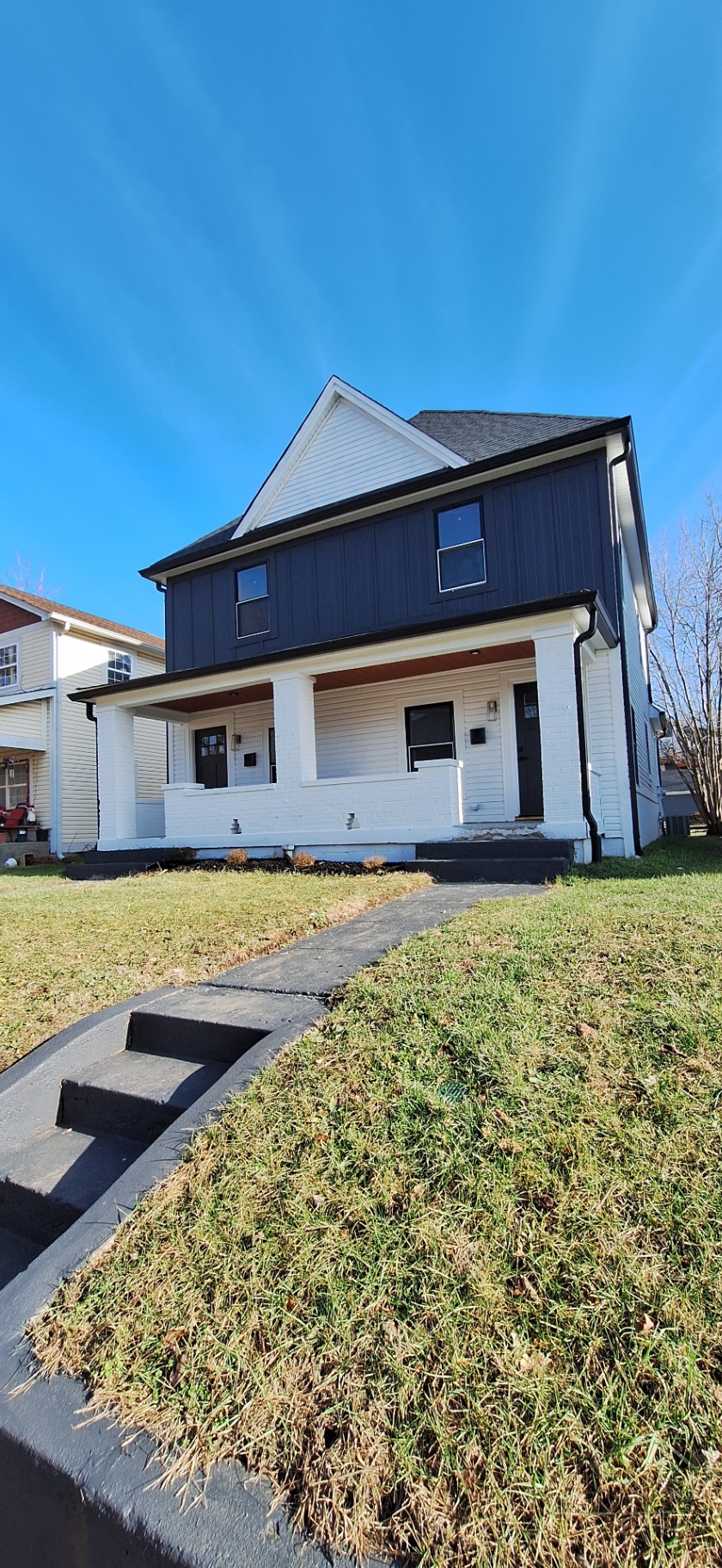
Preservation is a Choice
Protecting your interior starts long before a brush touches an inside wall. It begins with the realization that your building’s exterior is a complex system designed to withstand the elements. When that system is healthy, the interior remains a pristine, profitable asset.
If you are noticing the subtle signs of exterior wear: the hairline cracks, the fading color, or the exposed wood: it is an invitation to intervene before the infiltration becomes "silent" no longer.
We invite you to consider the current state of your property’s envelope. Protecting your entire home starts from the outside. If you would like a professional assessment of your property's exterior health, you can schedule a painting estimate to ensure your investment remains dry and secure.
Building maintenance is not about reacting to crises; it is about establishing a system that prevents them. Let your exterior paint be the guardian your interior deserves.
To explore more about our philosophy on asset preservation and professional renovation, visit the Sanz Global Blog or learn more about our full range of services.
Comments