


Beyond the Brush: Why Surface Preparation is 90% of a Quality Paint Job

In the world of Indianapolis real estate investment, time is the most expensive commodity. When a tenant moves out of a rental property, the clock starts ticking. Every day the unit sits empty is a day of lost revenue. In this race against the calendar, it’s tempting to look for shortcuts. The logic seems sound: "Just slap a fresh coat of paint on it and get it back on the market."
However, there is a fundamental difference between a paint job that looks good during the walkthrough and one that stands the test of time. At Sanz Global LLC, we’ve observed that the longevity of a renovation isn't found in the gallon of paint used; it’s found in the hours of labor spent before the lid is even pried off the can.
Surface preparation is often the most neglected part of a project by low-bid contractors, yet it accounts for roughly 90% of the quality and durability of the finished product.
The Illusion of the "Quick Refresh"
Many property owners view painting as a cosmetic commodity: a simple task that anyone with a roller can perform. This assumption leads many to hire the cheapest labor available. In an effort to keep costs low and speed high, these contractors often bypass the tedious work of cleaning, sanding, and patching.
They focus on what is visible: the color on the walls.
The problem is that paint is not a structural material; it is a film. It is only as strong as its bond to the surface beneath it. If that surface is covered in dust, grease, or old, failing layers of paint, the new coat is essentially "floating." Within months: sometimes weeks: the finish begins to bubble, peel, or flake. For an investor, this isn't just a cosmetic flaw; it’s a financial leak. It means another round of maintenance calls, potentially another turnover, and certainly more money spent on a job that should have been done once.

The Science of Adhesion: Why Prep Matters
To understand why we prioritize preparation, it’s helpful to understand how paint works. High-quality paint requires a physical bond with the substrate. In the context of an Indianapolis rental property: many of which feature aging plaster or decades of layered drywall: that bond is frequently compromised by environmental factors.
1. The Barrier of Contaminants
Kitchens and bathrooms are the hardest-working rooms in any rental. In a kitchen, a fine layer of airborne grease settles on every surface. In a bathroom, hairspray, soap residue, and moisture create a slick film. If you paint over these contaminants, the paint cannot "bite" into the wall. It simply sits on top of the grease.
2. Moisture and Humidity
Indianapolis weather is notorious for its humidity swings. Moisture is the natural enemy of paint adhesion. If a surface isn't properly dried or if existing water damage isn't professionally remediated, the moisture will eventually push the paint away from the wall, leading to blistering.
3. The Need for "Tooth"
Smooth, glossy surfaces: like those found on old trim or high-sheen walls: don't provide much for new paint to grab onto. Professional preparation involves sanding these surfaces to create "tooth." This mechanical roughening ensures the new layer becomes part of the surface rather than a separate, fragile shell.

The Sanz Global Standard: A System of Preparation
At Sanz Global LLC, we treat painting as an engineering challenge rather than a decorative one. Our process is designed to protect the owner’s investment by ensuring the work lasts through multiple tenant cycles. While every property has unique needs, our standard preparation protocol typically involves three critical pillars: Cleaning, Patching, and Sanding.
Cleaning: The Foundation
We don't just "dust" the walls. We remove the layers of grime that accumulate over years of occupancy. This is especially vital in our painting services for turnovers, where the goal is a clean slate. Without a clean surface, even the most expensive premium paint will fail.
Patching: Erasing the Past
Tenants leave marks. From small nail holes to significant gouges in the drywall, these imperfections are magnified once a fresh coat of paint is applied. We take the time to patch and blend these areas so the finished wall looks uniform. Many contractors skip the blending process, leading to "flashing": where you can see exactly where the patch was made because the texture doesn't match.
Sanding: The Secret to Smoothness
Sanding is the step most likely to be skipped because it is messy and labor-intensive. However, it is the step that separates a DIY-look from a professional finish. We sand between coats and ensure that patches are perfectly flush. This attention to detail is what allows our finished units to feel premium, attracting a higher caliber of tenant and justifying a higher rental rate.

The Economic Reality: Time vs. Money
As a property owner, you are constantly balancing the cost of a renovation against the expected ROI. It might seem like paying for intensive surface preparation is an unnecessary "luxury."
We suggest looking at it through the lens of the cost of distraction.
If a paint job fails six months into a new lease, you now have a frustrated tenant. You have to coordinate with a contractor to enter an occupied unit. You may have to move furniture and cover the tenant's belongings, increasing the risk of damage claims. You are essentially paying for the same job twice, plus the overhead of managing the crisis.
By investing in a full renovation estimate that includes proper prep, you are buying peace of mind. You are choosing a system that prioritizes long-term stability over a short-term "quick fix."
Why Indianapolis Investors Trust Our Approach
The Indianapolis market is competitive. Tenants have choices, and they are increasingly looking for properties that feel cared for and professional. A "blow and go" paint job where you can see the hair, dust, and old drips underneath the new coat sends a signal to the tenant about the quality of the management.
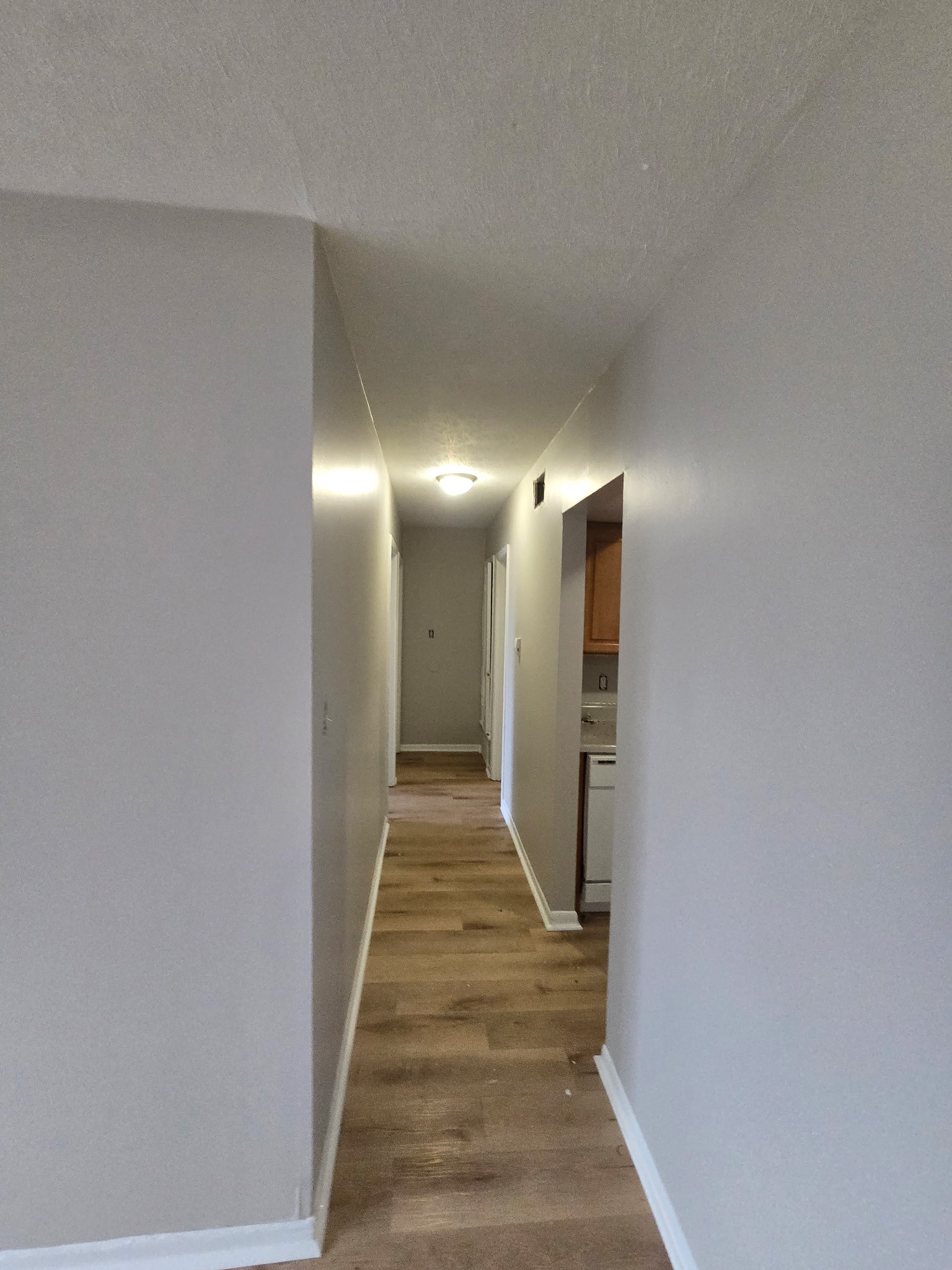
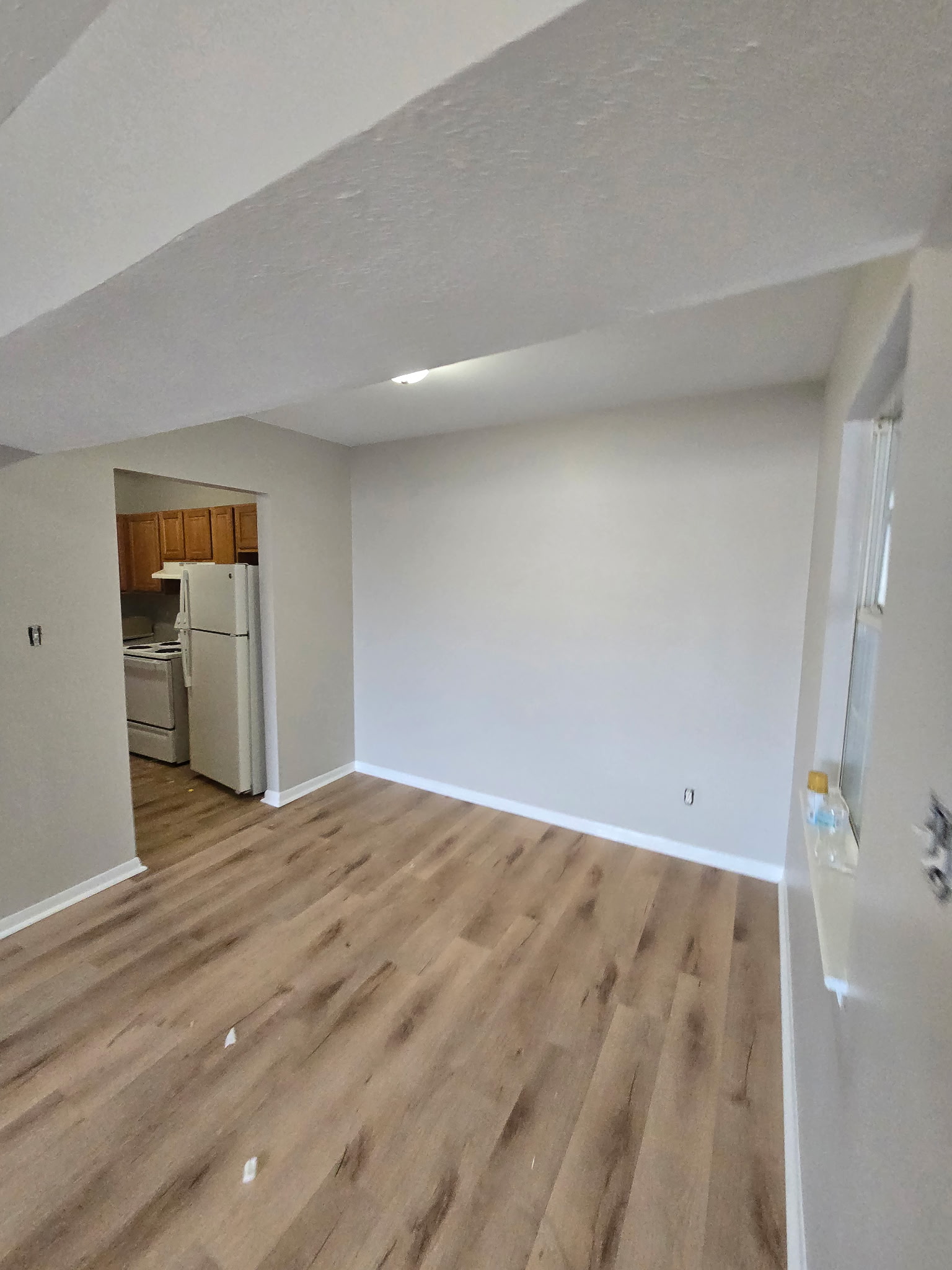
Conversely, a unit with crisp lines, smooth walls, and a durable finish suggests a higher standard of living. It encourages tenants to take better care of the space, which in turn reduces your turnover expenses.
We also understand the specific architectural challenges of our region. From drywall repair mistakes to the nuances of historical trim, we’ve seen how improper prep can ruin a beautiful property. Our commitment to the "90% rule": that the work happens before the brush touches the wall: is what keeps our clients coming back.
Choosing Quality Over Convenience
It is easy to find someone in Indianapolis who will paint a room for a few hundred dollars. It is much harder to find a partner who understands that the paint is merely the final layer of a complex renovation system.
At Sanz Global LLC, we don't just provide painting and renovation services; we provide asset protection. We believe that professional execution should be the standard, not the exception. When you choose to work with us, you aren't just paying for a change in color; you are paying for the technical expertise that ensures that color stays on the wall for years to come.
If you are looking to elevate your rental portfolio and want to move away from the cycle of constant "touch-ups" and peeling paint, we invite you to see the difference that professional preparation makes.
Whether you need an interior painting estimate or a comprehensive turnover strategy, our team is ready to apply our systematic approach to your property.
Final Thoughts
In the end, the brush is just a tool. The real work: the work that creates value, ensures durability, and protects your bottom line: happens "beyond the brush." It happens in the scraping, the sanding, the cleaning, and the careful attention to detail that characterizes every Sanz Global project.
Quality isn't an accident; it’s the result of a deliberate system. And in the world of property investment, a good system is the only thing that truly pays for itself.
If you’re ready to discuss your next project, you can book online or explore our blog for more insights on maintaining a high-performing rental portfolio.
Comments