


Proactive Preservation: A Homeowner’s Guide to Exterior Paint Maintenance

Maintenance is often misunderstood as a series of chores. In the context of a high-value property, maintenance is actually a risk-mitigation strategy. It is the difference between a controlled, predictable schedule and the chaotic, high-cost intervention required when a system fails.
When we discuss exterior painting, we are not merely discussing aesthetics or curb appeal. We are discussing the primary defensive layer of your home's structural integrity. Paint is a sacrificial barrier designed to absorb the brunt of UV radiation, moisture, and temperature fluctuations so that the underlying wood and substrate do not have to.
The goal of this guide is to shift the perspective from reactive repair to proactive preservation. By understanding the systems of decay, a homeowner can choose where to invest their time and resources most effectively.
The Philosophy of the Protective Envelope
Your home is a complex envelope designed to keep the interior environment separate from the exterior one. In Indianapolis, this envelope is under constant assault. The humidity of July and the freeze-thaw cycles of January create a dynamic environment where materials are constantly expanding and contracting.
When paint fails, the envelope is breached. Moisture enters the wood fibers, causing them to swell. This swelling further cracks the paint, inviting more moisture. This is a compounding cycle of degradation. Proactive preservation is the practice of identifying these breaches before the cycle begins.
The most sophisticated property owners do not wait for the paint to peel. Peeling is the final stage of failure. Instead, they monitor the integrity of the coating, looking for subtle shifts in texture, color, and elasticity.

)
The Five Indicators of Impending Failure
An annual walkthrough of your property is a standard practice for maintaining asset value. While a professional inspection offers the most depth, a homeowner can identify the primary indicators of a system nearing its end of life:
1. The Chalking Phase
If you run your hand across your siding and a fine white powder transfers to your skin, the paint is "chalking." This is the resin of the paint breaking down under UV exposure. While it may still look acceptable from the street, the protective qualities are diminishing. This is the ideal time to plan for a refresh, as the surface preparation required is minimal.
2. Loss of Elasticity (Hairline Cracking)
Modern high-end coatings, such as Sherwin-Williams Duration, are designed to remain flexible. However, as they age, they become brittle. Look at the joints where different pieces of trim meet. If you see tiny "spider-web" cracks, the paint is no longer moving with the house. This is a direct invitation for water to seep behind the boards.
3. Fading and Sheen Loss
Fading is more than a cosmetic concern. Color loss usually correlates with a loss of surface tension. When the sheen disappears, the paint becomes more porous. Instead of shedding water like a raincoat, the surface begins to hold moisture like a sponge.
4. Caulk Separation
Caulk is the secondary line of defense. It seals the gaps where water is most likely to collect. If you see gaps between the window casing and the siding, or if the caulk feels hard and cracked to the touch, the seal is broken. Re-caulking is one of the highest-ROI maintenance tasks a homeowner can perform.
5. Biological Growth
Mildew and algae thrive in shaded areas where moisture lingers. While these organisms don't always eat the paint, they hold moisture against the surface, accelerating the breakdown of the coating. Regular cleaning prevents these micro-ecosystems from establishing a foothold.
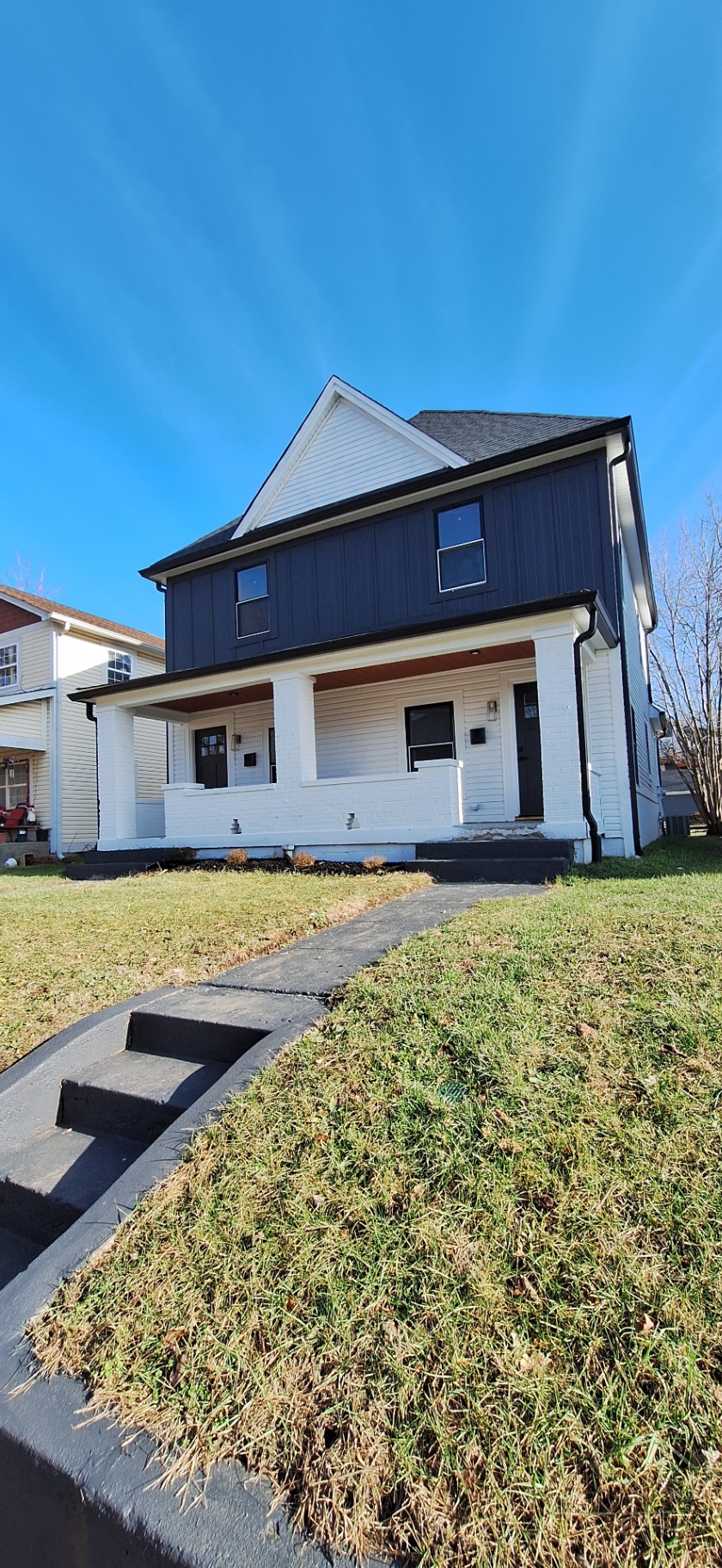
The Maintenance Checklist: A Systematic Approach
Preservation is most effective when it is scheduled. We recommend a biannual review: once in the spring to assess winter damage, and once in the fall to prepare for the coming freeze.
Debris Removal: Ensure that landscaping is trimmed at least 12 to 24 inches away from the siding. Contact between foliage and the home traps moisture and allows insects to bypass the home’s perimeter defenses.
Gutter Clearance: Overflowing gutters are the leading cause of rotted fascia boards and soffits. When water cascades over the edge of the gutter, it hits the painted surfaces with force and often finds its way behind the trim.
Surface Cleaning: A gentle low-pressure wash once a year removes the atmospheric pollutants and biological growth that degrade paint. This is not about high-pressure stripping, but a soft rinse with appropriate cleansers.
Visual Perimeter Check: Walk the entire perimeter of the home at different times of the day. Some failures, like blistering or "alligatoring," are only visible in certain lighting conditions.
For those who prefer a professional assessment, you may schedule a walkthrough to identify potential issues before they require structural repair.
The Role of Premium Materials
In the world of professional painting services, the choice of material is a choice of longevity. We frequently utilize Sherwin-Williams Duration for Indianapolis exteriors. The reason is not brand loyalty, but the chemistry of the product.
Duration is formulated with PermaLast technology, which results in a thicker, more flexible coating. While entry-level paints may require a refresh every 3-5 years, a high-solids coating applied over a properly prepared surface can often double that lifespan. When you factor in the cost of labor: which is the primary expense in any painting project: the marginal increase in material cost becomes the most logical financial choice.

Strategic Trade-offs: Time vs. Money
Homeowners often view painting as a "project" to be completed and forgotten. However, the most successful real estate investors view it as a managed expense.
There is a measurable cost of distraction. If a homeowner ignores a $500 maintenance touch-up today, they are essentially choosing to pay $5,000 for wood replacement and a full repaint three years from now. Proactive preservation is the art of spending small amounts of money intentionally to avoid spending large amounts of money accidentally.
This principle is especially true for those managing multiple properties. As we have discussed in our guide on reducing tenant turnover expenses, the condition of the exterior sets the tone for the entire management relationship. A well-maintained exterior suggests a well-maintained interior.
When Execution Becomes Optional
Information is a tool for decision-making. Now that you understand what to look for: the chalking, the hairline cracks, and the importance of high-solids coatings: you have the ability to oversee the health of your home.
The execution of these maintenance tasks is, of course, optional. Some homeowners find satisfaction in the hands-on management of their property's exterior. Others recognize that their time is better spent elsewhere and prefer to delegate the technical execution to a team that understands the Sanz Global standard of excellence.

A Quiet Conclusion
The integrity of your home’s exterior is a reflection of the systems you have in place. By shifting from a mindset of "fixing what is broken" to "preserving what is whole," you protect not just the wood and the brick, but the financial value of the asset itself.
If you are noticing the early signs of wear mentioned in this guide, or if it has been more than five years since your last professional interior or exterior painting estimate, it may be time to evaluate your home's current level of protection.
Preservation is not an act of desperation; it is an act of stewardship. Whether you choose to handle the inspection yourself or have a professional provide a detailed report, the goal remains the same: ensuring that your home remains a sanctuary, protected from the elements by a system that works silently and effectively.
For more insights into maintaining the value of your property, you can explore our full range of articles on renovation and asset management.
Comments