


Does Your Drywall Repair Really Matter in 2026?

The question isn't whether drywall repair matters. The real question is whether you're willing to accept the compounding costs of avoiding it.
In 2026, the property management landscape has clarified what many already suspected: surface preparation isn't a detail. It's the foundation that determines whether your paint job lasts two years or ten. Whether your units command premium rents or settle for market averages. Whether you're managing properties or constantly reacting to them.
The drywall repair services market tells its own story. Growing from $5.1 billion in 2023 to a projected $10.22 billion by 2033 suggests that property owners are making a calculation. Not about whether to repair, but about the cost of not repairing.
The Economics of Surface Quality
Perfect drywall doesn't happen by accident. It's the result of addressing damage systematically rather than cosmetically.
When you paint over compromised drywall: hairline cracks that telegraph through fresh paint, nail pops that reappear within months, patches that never quite match the surrounding texture: you're not saving time. You're scheduling your next repair cycle.
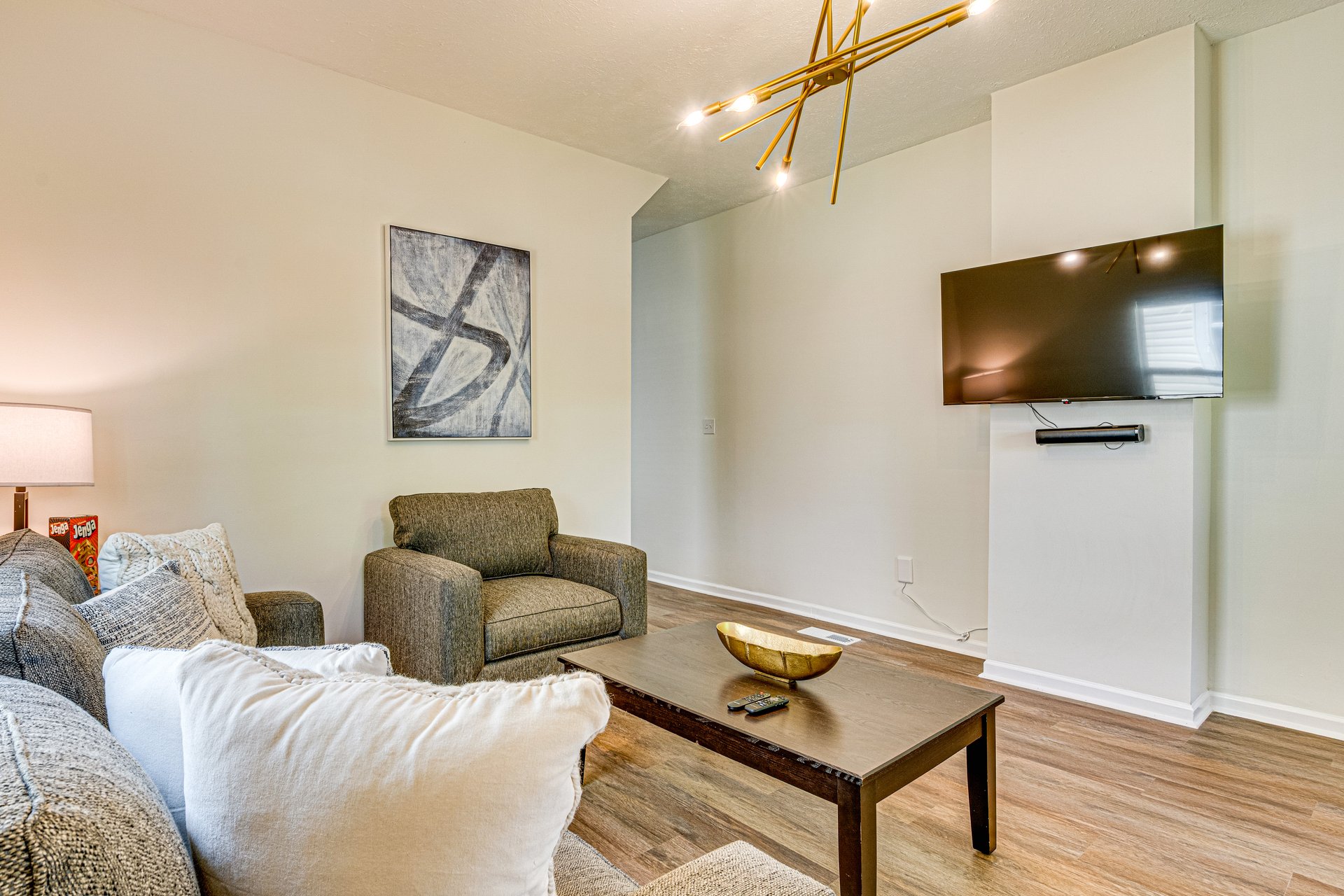
The math is straightforward. Quality drywall repair costs a fraction of what replacement requires. But the decision to repair or ignore creates a compounding return curve. Early intervention preserves structural integrity. Delayed response converts minor surface damage into moisture infiltration, mold growth, and eventual replacement requirements.
Property managers operating at scale understand this intuitively. The unit that requires attention every six months costs more than the unit prepared correctly once. Not just in direct repair expenses, but in coordination overhead, tenant relations, and vacancy risk.
Why Paint Can't Fix What Drywall Started
Professional painting produces professional results on professional surfaces. This isn't about perfectionism. It's about physics.
Paint adheres to surfaces. When those surfaces are compromised: uneven, cracked, improperly textured: the paint conforms to what's beneath it. A skilled painter can minimize the appearance of poor substrate quality. But they can't eliminate it.
The properties that command premium positioning in 2026 share a common attribute: their surfaces are prepared to accept and hold finish work. Walls are smooth, seams are invisible, patches are imperceptible. This isn't luxury positioning for its own sake. It's the baseline requirement for durable finishes.

Consider the actual mechanism of paint failure. When drywall cracks expand and contract with seasonal humidity changes, they stress the paint film. When moisture penetrates through unsealed joints, it compromises adhesion from behind. When texture inconsistencies create shadowing under different light conditions, they broadcast that corners were cut.
The finish you see is a symptom of the system beneath it. Quality drywall repair isn't about aesthetics. It's about creating conditions where paint can perform its actual function: providing a durable, maintainable surface that holds its appearance between turnover cycles.
Property Value in Context
The relationship between drywall quality and property value operates on two levels.
First, the direct impact. Properties with well-maintained surfaces command higher rents, experience shorter vacancy periods, and require less frequent attention. Prospective tenants can't articulate what separates a premium unit from an average one, but they recognize it immediately. The difference often comes down to surface quality.
Second, the signal it sends. When investors evaluate properties, they're reading condition as a proxy for management philosophy. Properties with deferred maintenance on visible elements like drywall suggest deferred maintenance on mechanical systems, structural components, and tenant relations.
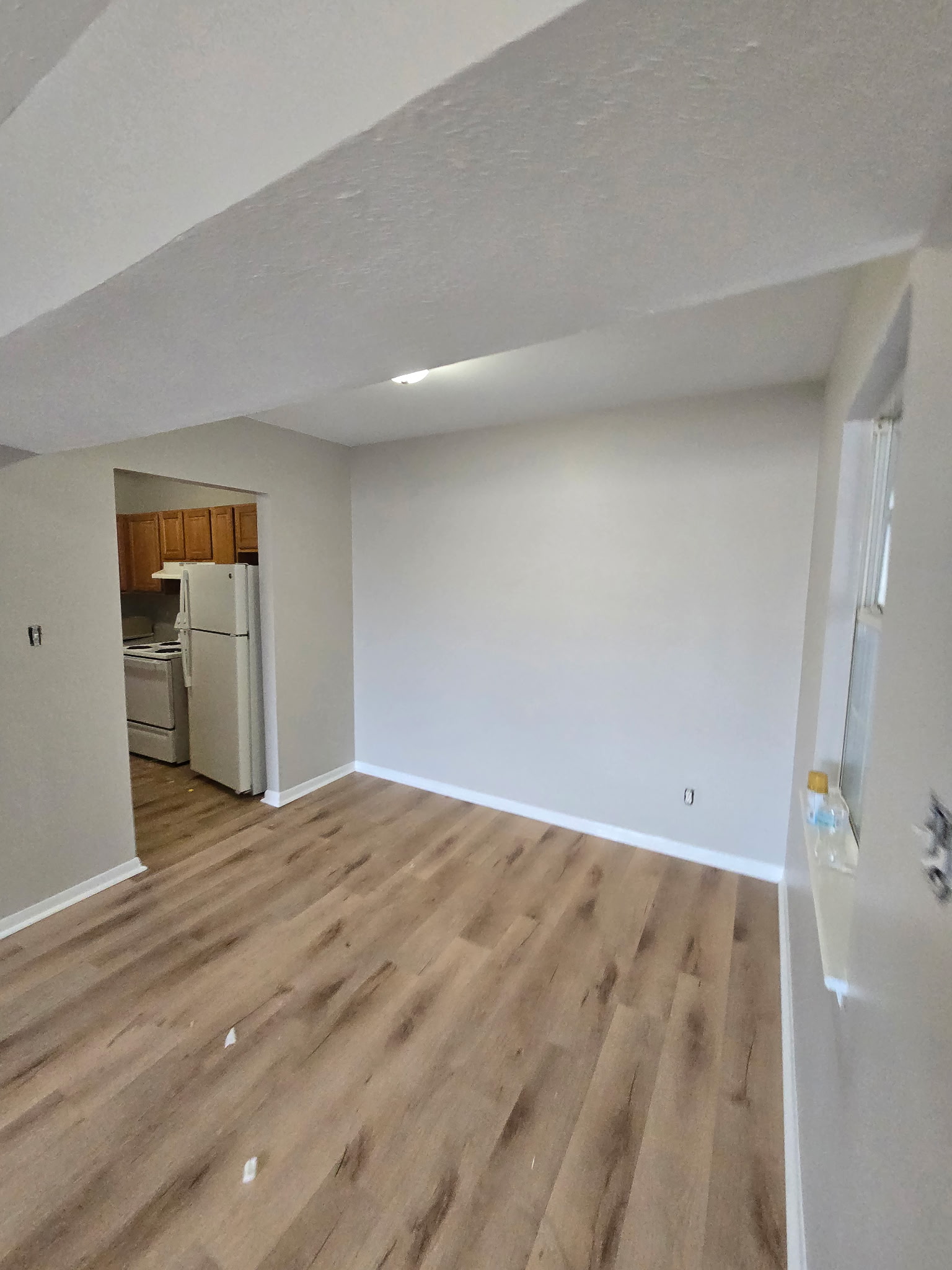
The 2026 market presents an interesting dynamic. Overall renovation spending is moderating: projected to increase just 1.2 percent year-over-year by Q2. But spending on targeted repairs like drywall work continues growing. Property owners are becoming more selective, not less attentive.
This suggests a maturation in how the market thinks about maintenance. The focus is shifting from cosmetic renovation to strategic preservation. Drywall repair fits squarely in that category: work that prevents larger problems while maintaining surface quality that supports value.
The System Question
Most drywall damage follows predictable patterns. Nail pops near studs. Cracks along seams. Moisture damage around windows and plumbing penetrations. Impact damage at doorknobs and furniture contact points.
These aren't random failures. They're system issues presenting as surface problems.
Addressing them properly requires distinguishing between symptoms and causes. A nail pop indicates improper fastener placement or structural movement. A recurring crack suggests foundation settlement or framing flex. Moisture damage points to envelope or plumbing issues.

Quality drywall repair addresses both levels. The immediate surface issue gets corrected. But the underlying cause gets evaluated and, when necessary, resolved. This is why professional repair often costs more than cosmetic patching: and why it lasts years longer.
Property managers working with experienced renovation partners understand this distinction. The conversation isn't about patching individual holes. It's about evaluating wall systems, identifying failure patterns, and implementing repairs that eliminate recurrence rather than postponing it.
Time vs. Appearance
There's a reason sophisticated property owners delegate finish work: because the alternative is expensive.
Not expensive in terms of direct costs: anyone can watch YouTube tutorials and attempt drywall repair. Expensive in terms of opportunity cost, quality risk, and timeline disruption.
Professional drywall repair requires specific tools, practiced technique, and quality control that comes from repetition. A skilled technician can prep and finish a standard apartment unit in a fraction of the time an inexperienced operator requires. The finish quality difference is measurable in how long the paint job lasts and how the unit photographs.
But the larger consideration is what you're not doing while you're managing drywall repair. For property owners and managers, time spent on execution is time not spent on strategy, acquisition, tenant relations, or the dozen other leverage points that actually scale.
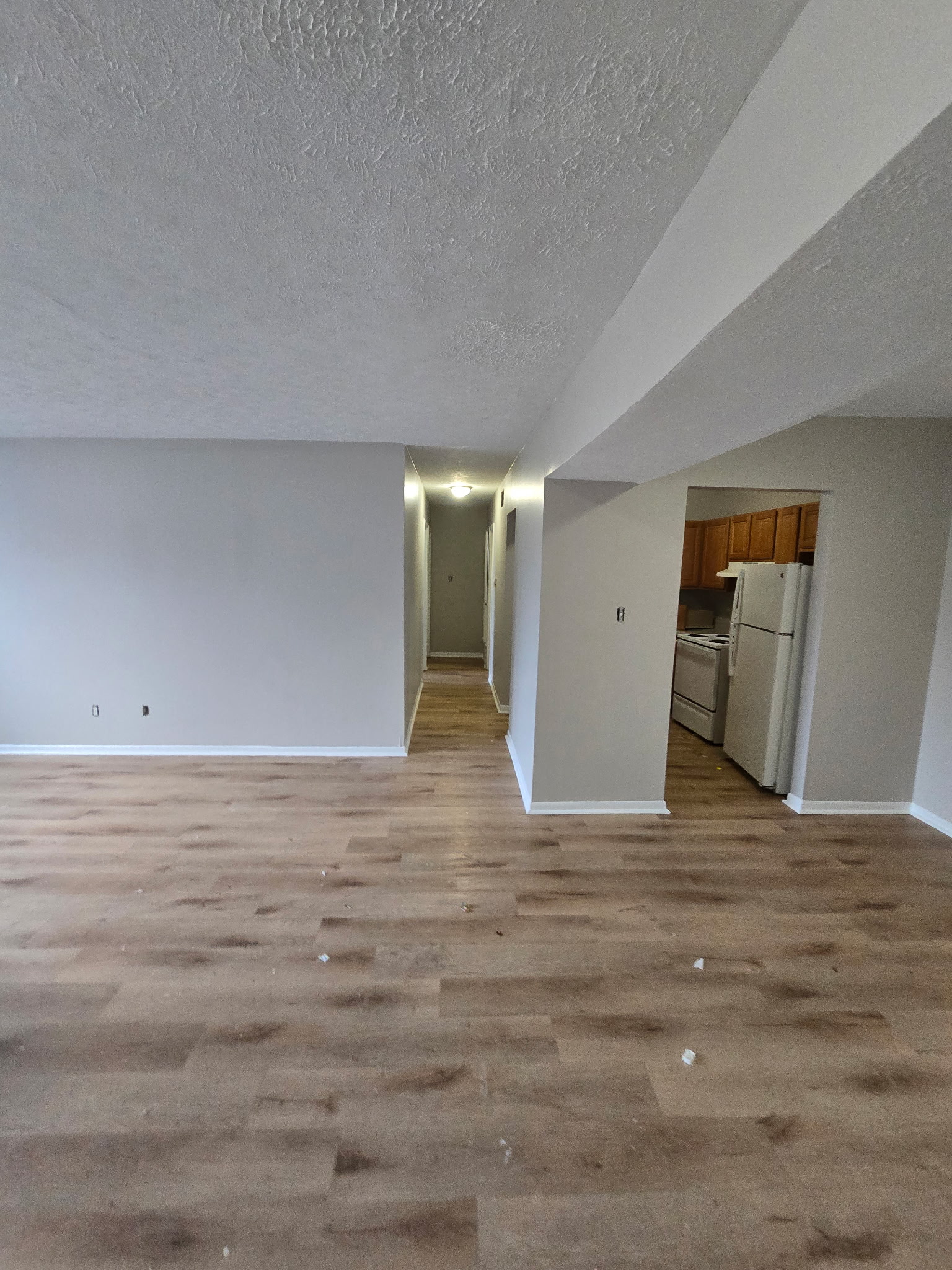
This is the fundamental tradeoff that defines professional property management in 2026. Information is abundant. Execution is constrained by time and expertise. The question isn't whether you could learn to repair drywall properly. The question is whether that's the highest-value use of your attention.
What Quality Looks Like
Walk into a professionally finished unit and you'll notice something: you don't notice the walls.
That's the standard. Surfaces that disappear. Paint that draws attention to light and space rather than texture inconsistencies or repair patches. Finishes that hold their appearance across lighting conditions and viewing angles.
This level of quality doesn't emerge from faster work or cheaper materials. It comes from proper surface preparation, appropriate product selection, and skilled application. The drywall repair that precedes painting determines whether that standard is achievable.
The properties that maintain occupancy and command premium positioning aren't necessarily newer or larger. They're better prepared. Their turnover cycles include thorough surface evaluation and correction. Their painting starts with surfaces that are ready to accept and hold finish work.
The Optional Path
You can patch drywall yourself. You can hire the cheapest bidder. You can defer repairs until the next turnover cycle.
Each of those approaches has its place. Not every situation warrants professional intervention. But the decision should be intentional, not default.
The market is providing clear feedback. Properties with quality surface preparation hold their value. Properties with deferred maintenance struggle to compete. The difference isn't always visible in individual units, but it's stark in portfolio performance.
If you're evaluating whether drywall repair matters for your property, consider what you're optimizing for. If it's immediate cost savings, cosmetic patching makes sense. If it's sustainable operations and maintained value, systematic repair is the more efficient path.
We work with property managers and investors who've made that calculation and decided that execution isn't where they want to focus their attention. Surface preparation, drywall repair, and professional painting become part of a systematic turnover process that produces predictable results without requiring constant oversight.
That's not the only approach. But it's one that scales.
If you're interested in exploring what that looks like for your properties, we're available to talk. The conversation starts with understanding what you're trying to achieve and whether a systematic approach to surface quality fits that picture.
Either way, your drywall quality is telling a story about your properties. The question is whether it's the story you want prospective tenants and investors to hear.
Comments