


7 Mistakes Property Managers Make with Apartment Turnover Painting (And How Indianapolis Investors Avoid Them)

Apartment turnover costs compress margins faster than most property managers realize.
The difference between a 7-day and a 21-day turnover isn't just vacancy loss. It's cumulative distraction, compounding decision fatigue, and the hidden expense of managing what should be systematized.
Paint is where most turnovers either accelerate or stall. Not because the work is complex, but because the decisions around it rarely get standardized.
Here are seven mistakes that add days, dollars, and unnecessary involvement to every turnover: and how Indianapolis investors who operate at scale avoid them entirely.
1. Using Different Paint Colors Across Units
Every unit becomes its own negotiation when paint colors vary.
You're managing inventory. You're matching samples. You're waiting on custom tints. And when touch-ups are needed six months later, you're starting the process over.

Sophisticated operators choose one neutral color and apply it everywhere. No exceptions. No seasonal changes. No creative variation.
This isn't about aesthetics. It's about eliminating decision points that compound across dozens of turnovers per year.
2. Failing to Document Paint Specifications
If your paint choice isn't written down with brand, finish, and sheen, every turnover becomes a guessing game.
Property managers waste hours color-matching from memory or old photos. Contractors apply close approximations. Touch-ups never quite blend.
The cost isn't the paint. It's the coordination time and the eventual repaints when "close enough" wasn't.
Indianapolis investors who scale document everything once: paint brand, product line, color code, finish type. Then they replicate it without thinking.
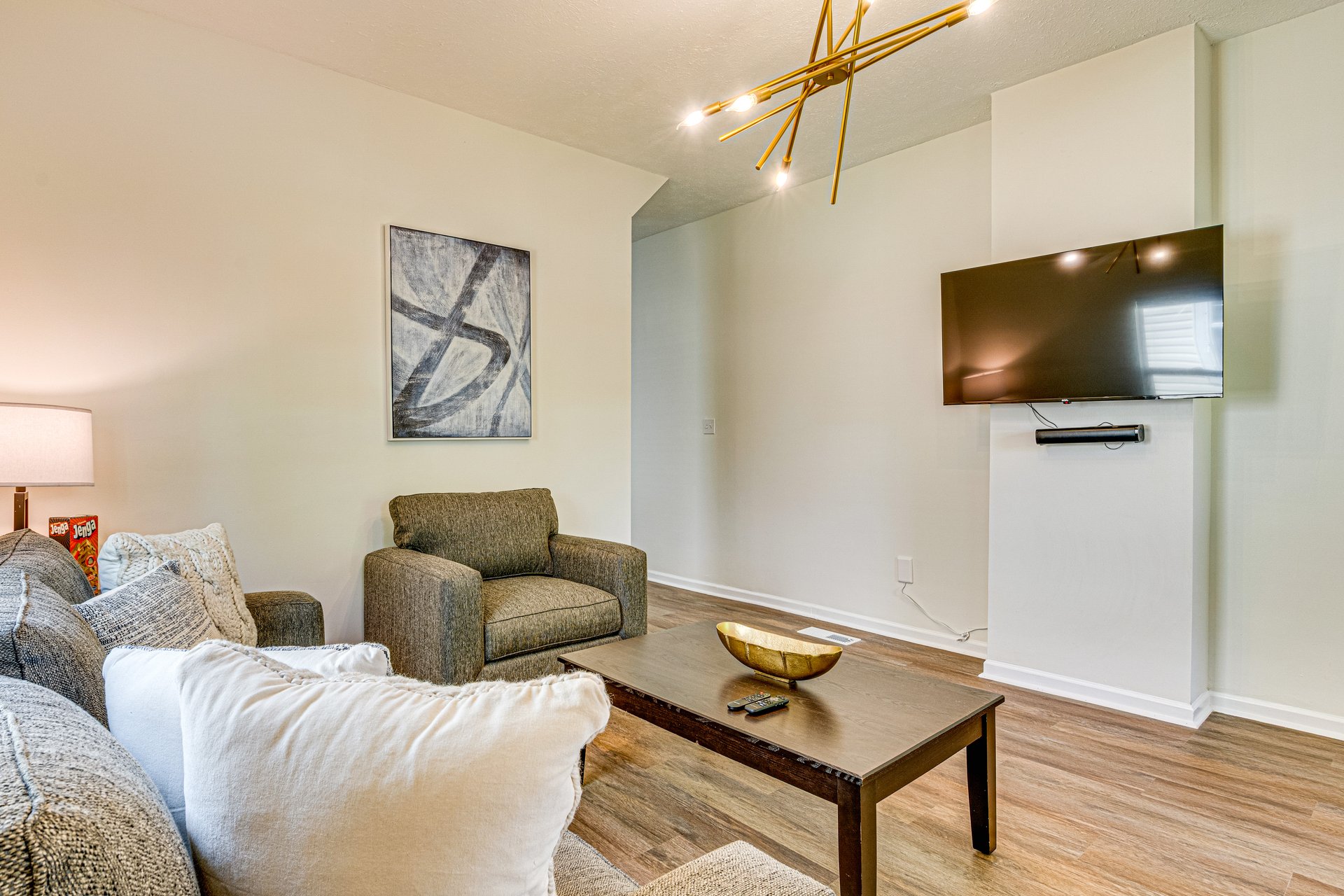
3. Spot Painting Instead of Full Coverage
Trying to save money by painting only damaged walls is a false economy.
Partial paint jobs rarely match. They highlight wear patterns. And they signal to prospective tenants that the unit received minimum effort, not a proper reset.
More importantly, you're back in the unit in 12 months addressing what should have been handled during turnover.
Investors who retain tenants longer understand that full coverage isn't an upgrade: it's the baseline. Every wall. Every corner. Every time.
4. Starting the Process After Keys Are Returned
Waiting until a tenant moves out to begin planning turnover adds 7 to 14 days to every cycle.
Sophisticated property operators begin turnover planning 30 to 60 days before lease expiration. Paint is scheduled. Materials are ordered. Contractors are locked in.

The work begins within 24 hours of key return because the preparation happened weeks earlier.
This isn't aggressive project management. It's understanding that speed is a product of preparation, not haste.
5. Managing Paint as a Standalone Task
Paint doesn't happen in isolation during turnover.
When it's treated as a separate line item, schedules misalign. Drywall repair gets missed until after the painter arrives. Flooring contractors show up before walls are dry.
The delays cascade. What should take five days stretches to twelve.
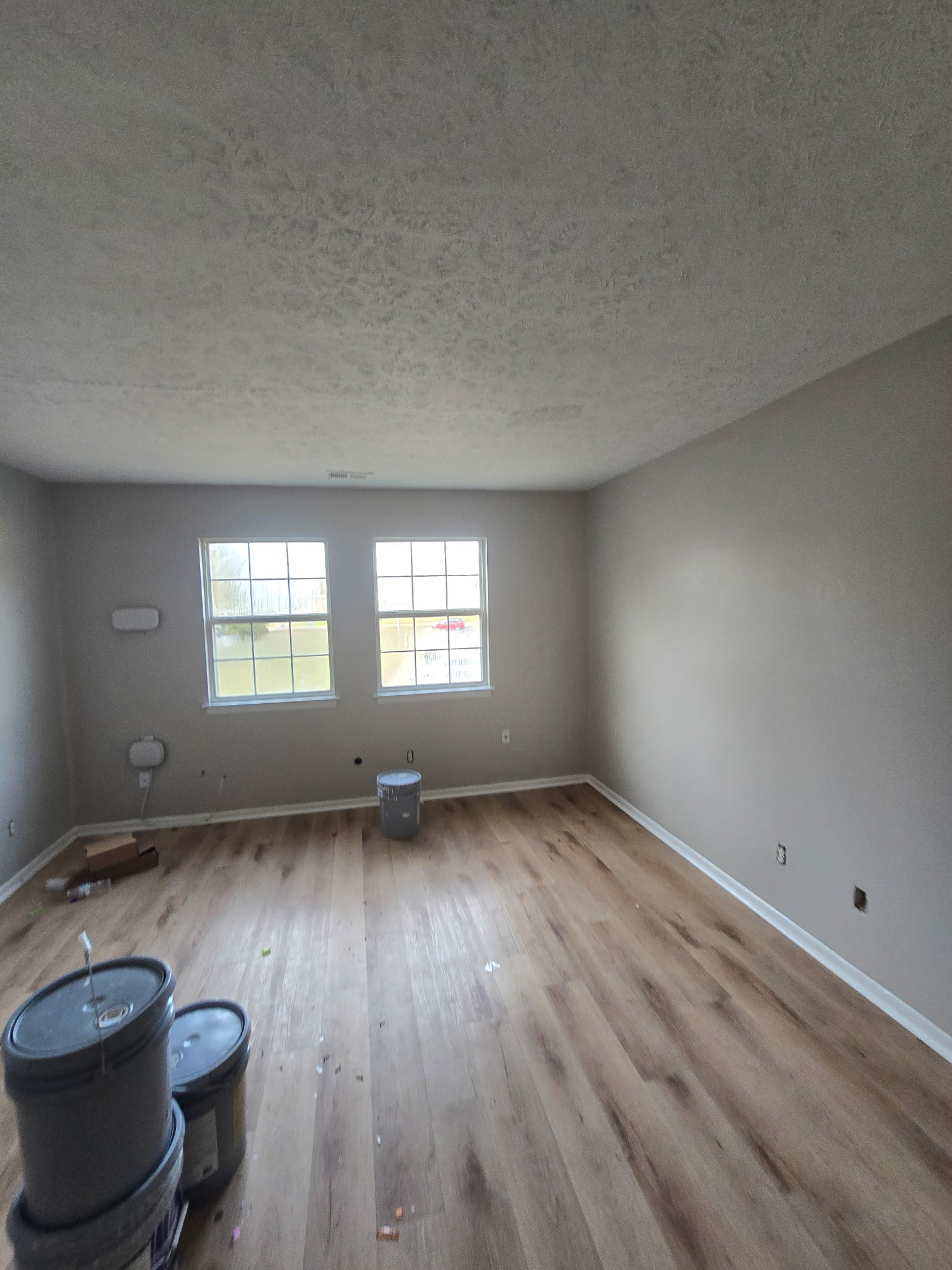
Indianapolis investors who operate efficiently treat turnover as a sequenced system. Paint is coordinated with drywall, flooring, and cleaning: not managed separately.
The difference shows up in cycle time, not just quality.
6. Accepting "Good Enough" From Contractors
If your standard for painting is "better than last time," you're negotiating down with every turnover.
Inconsistent contractor performance costs you in rework, tenant complaints, and properties that photograph poorly when listed.
Investors who scale don't accept variation. They establish clear standards, document expectations, and use contractors who deliver consistent results without constant oversight.
This doesn't mean micromanaging every detail. It means setting the baseline once and expecting it to be met every time.
7. Treating Painting as a Cost Instead of a Positioning Decision
Paint quality signals property standards before a tenant signs a lease.
Cheap paint wears visibly. It scuffs easily. It requires touch-ups within months. And it communicates to prospective tenants that the property operates at the minimum viable threshold.
Premium finishes hold up under normal wear. They photograph well. And they position the property as thoughtfully maintained, not just functional.
The cost difference is marginal. The positioning difference is not.
The Pattern Behind the Mistakes
These seven mistakes share a common root: lack of systematization.
Property managers who address turnover painting reactively make the same decisions repeatedly. They coordinate the same variables. They manage the same contractor conversations.
Indianapolis investors who operate at scale eliminate repetitive decision-making. They standardize once, document thoroughly, and execute consistently.

The result isn't just faster turnovers. It's fewer touch-points, less distraction, and properties that maintain consistent standards without constant involvement.
How Execution Changes When Standards Are Clear
When painting is systematized, property managers stop managing paint jobs and start managing outcomes.
Contractors know exactly what's expected. Materials are consistent. Quality doesn't vary based on who's on-site that week.
Turnovers become predictable. Marketing photos look identical across units. Tenant retention improves because the property consistently presents well.
This level of execution doesn't happen through better project management. It happens when the decisions are made once and the systems carry them forward.
Indianapolis investors who scale understand that information is widely available. What separates performance isn't knowing what good turnover painting looks like: it's having the systems in place to deliver it repeatedly without reinventing the process each time.
If your turnovers still require active management at every step, the problem isn't the contractors. It's the absence of standards that make oversight unnecessary.
Execution is always optional. But when it's systematized, it stops requiring your time.
Comments