


The "Empty Unit" Panic: How to Slash Your Turnover Time in Indianapolis

An empty apartment is more than just a quiet space. For a property owner or manager in Indianapolis, it is a ticking clock. Every day the keys remain in the office instead of the tenant’s hand, the property’s performance drops.
Most people call this the "turnover crunch." We call it the "Empty Unit" Panic. It’s that frantic period where you are juggling painters, cleaners, and maintenance techs, hoping everyone shows up on time so you can get a new lease signed.
But panic is not a strategy. It is a symptom of a missing system.
In the Indianapolis market, speed is often confused with haste. True speed: the kind that creates a luxury finish and a ready-to-move-in unit in record time: comes from calm, calculated systems. It’s about moving away from the chaos of "getting it done" and toward the precision of "getting it right" the first time.
The True Cost of Vacancy
When a unit sits empty, the obvious loss is the daily prorated rent. However, the hidden costs are often more damaging. There is the cost of distraction: the hours you spend on the phone coordinating three different vendors who aren't talking to each other. There is the cost of marketing a unit that isn't quite ready, leading to lower-quality leads or tours that end in "we’ll think about it."
In public housing standards, a 21-day turnaround is often the benchmark. In the private sector, especially for those aiming for a professional or luxury standard, 21 days is an eternity.
If your turnover takes three weeks, you are losing nearly 10% of your annual revenue on that unit every single year. Shaving that down to seven or ten days isn't just about working harder; it’s about reclaiming that 10% through better execution.

Why Chaos Becomes the Default
The reason most turnovers feel like a crisis is the "gap."
The gap is the period between when the tenant moves out and the first vendor walks in. Or the two days between the painter finishing and the cleaner arriving. These gaps are where time goes to die.
In Indianapolis, we see a common pattern:
The move-out happens.
The property manager assesses the damage.
Calls are made to various contractors.
Contractors provide estimates or schedule "sometime next week."
Work starts, stops, and restarts based on material availability or scheduling conflicts.
This fragmented approach relies on luck. If one person is late, the entire chain breaks. To slash turnover time, you have to eliminate the gap.
Systems Over Effort
At Sanz Global LLC, we view painting and renovation services not as a series of tasks, but as a synchronized event.
Information on how to turn a unit is free. Anyone can tell you that you need to patch the walls, paint the trim, and steam the carpets. But execution is where the value lies.
A systemized turnover focuses on three specific areas:
1. The Standardization of Materials
If every unit in your portfolio has different paint colors, different flooring, and different hardware, your turnover time will always be slow. You are forced to wait for specific matches or custom orders.
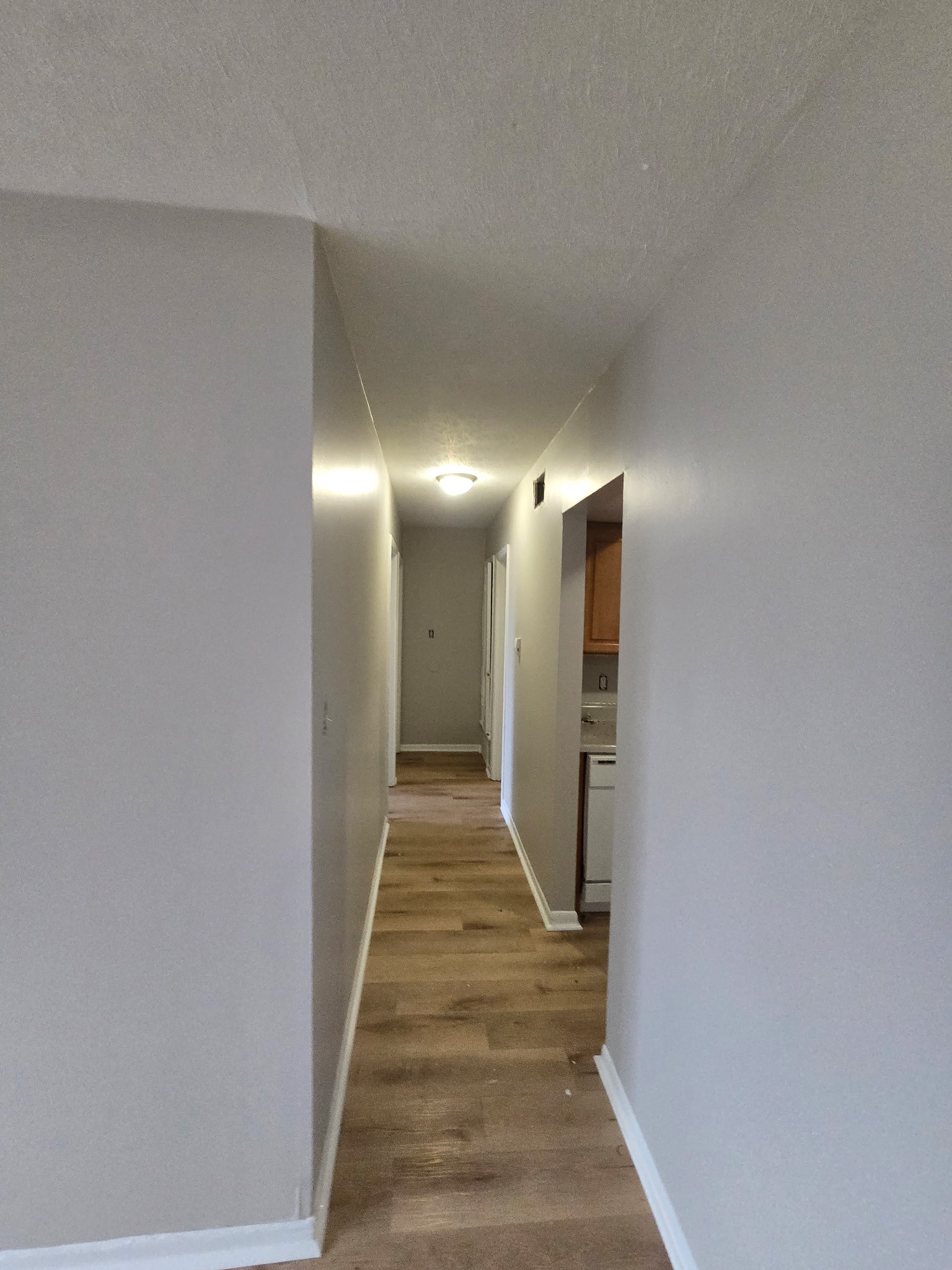
Standardizing your palette: using a high-quality, neutral gray or off-white across your Indianapolis portfolio: allows you to keep stock on hand or ensures your vendors can source materials instantly. It removes the "decision" phase of the turnover, which is a major source of delay.
2. Pre-Scheduled Momentum
The most efficient managers don't wait for a unit to be empty to call their partners. They work on a rolling schedule. By the time the keys are turned in, the interior painting estimate is already approved and the start date is locked.
This requires a level of trust with your vendors. You aren't just hiring a "painter"; you are partnering with a team that understands your standards and can move without constant supervision.
3. The Single-Source Advantage
The more people you have involved in a turnover, the more points of failure you create. If you hire one person for drywall repair, another for painting, and a third for minor renovations, you are the project manager.
Choosing a partner who can handle the full renovation estimate and execution allows you to step back. You provide the access; they provide the finished product. This shift from "managing tasks" to "managing outcomes" is the fastest way to reduce your personal workload and the unit's vacancy time.
The Indianapolis Market Factor
Indianapolis is a city of seasons. We have heavy move-out periods in the late spring and early summer. If you are trying to find a reliable crew in June without a prior relationship, you will face "the panic."
Local knowledge matters. Understanding the humidity levels during an Indiana summer affects how paint cures and how quickly a unit can be turned. It also affects the durability of the finishes you choose.
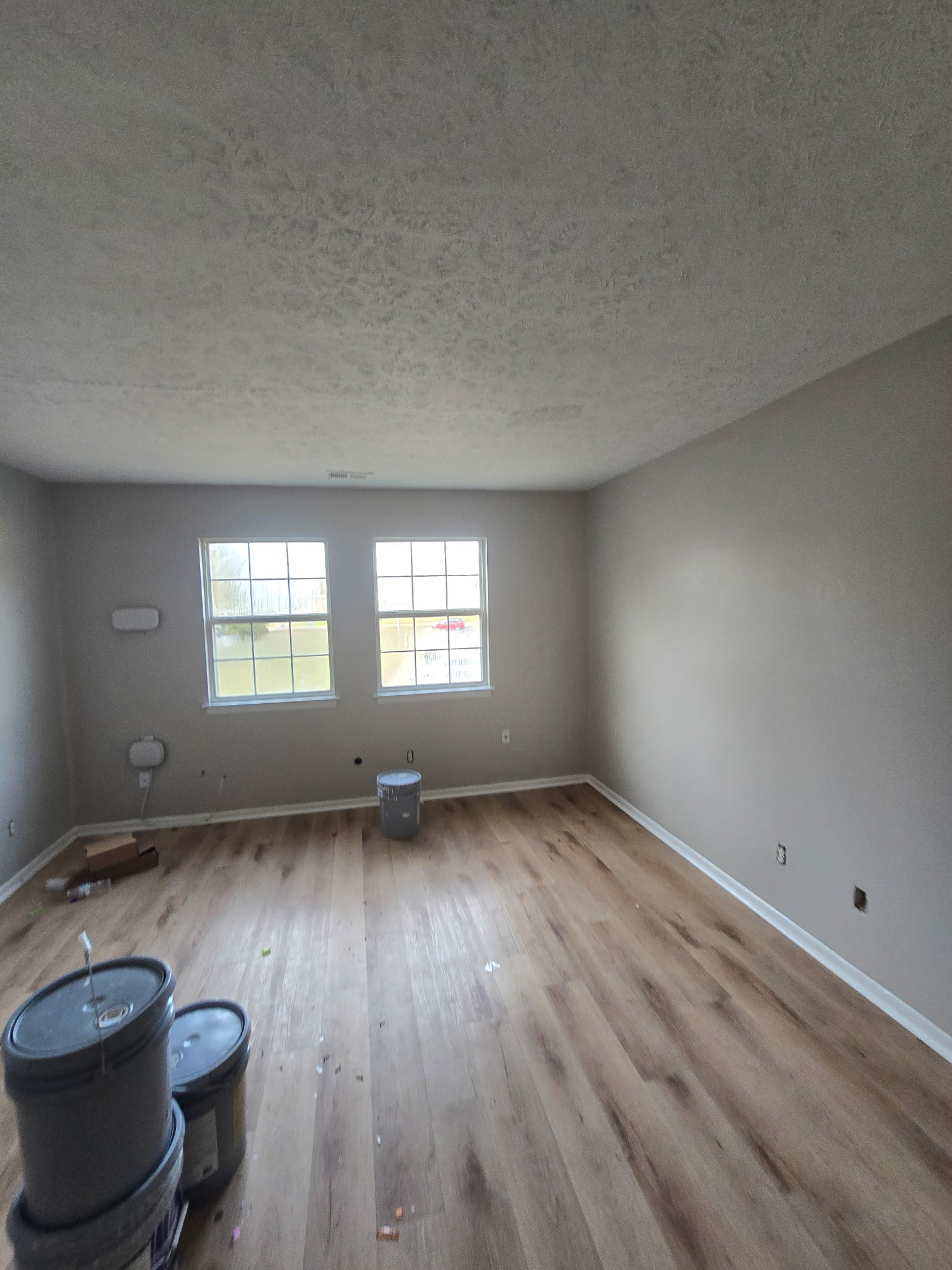
A unit that looks great on day one but shows wear by month three is not a successful turnover. It’s a liability. True authority in property management comes from choosing finishes that withstand the local climate and the reality of tenant life.
Quality is a Time-Saver
There is a misconception that "fast" means "cheap." In reality, cheap work is the slowest work you will ever pay for.
When a paint job is done poorly, it requires callbacks. When a bathroom reglazing isn't handled with professional-grade materials, it chips, causing another vacancy down the road.
Doing it right the first time is the ultimate time-saving strategy. A professional finish attracts a professional tenant. These tenants tend to stay longer and take better care of the space, which reduces the intensity of the next turnover. This is the "flywheel effect" of property maintenance: high-quality execution today leads to easier transitions tomorrow.

Execution is Optional
We share these insights because we believe in an informed Indianapolis real estate community. We know that many property owners are capable of managing these systems themselves. They can coordinate the schedules, source the materials, and oversee the quality control.
However, many choose not to.
They recognize that their time is better spent on acquisitions, investor relations, or higher-level strategy. They see that the cost of hiring a professional firm like Sanz Global LLC is often offset by the revenue gained from cutting five, ten, or fifteen days off the vacancy period.
It is the difference between working in your business and working on your business.
Moving Toward a Quiet Turnover
The goal is to reach a point where a move-out notice no longer triggers stress. Instead, it triggers a system.
Imagine a scenario where the tenant notifies you they are leaving, and with one email, the entire machine begins to move. The assessment is scheduled, the crew is booked, the materials are ready, and the unit is back on the market before the previous tenant’s security deposit is even processed.
This is the standard we aim for. It isn't about working harder or shouting louder; it’s about the calm confidence of a well-oiled machine.
If you are tired of the "Empty Unit" Panic and are looking for a partner to help systematize your property turnovers in the Indianapolis area, we invite you to explore our approach. Whether you need a detailed estimate or simply want to learn more about our process, the information is always here for you.
Speed is a byproduct of precision. When you stop rushing, you can finally start moving fast.
Comments