


Looking For Painting Contractors in Indianapolis? Here Are 10 Things You Should Know

Finding a painting contractor in Indianapolis isn't hard. Finding the right one takes a bit more intention.
The market here has no shortage of options. Some are exceptional. Some are adequate. A few will cost you more than money: they'll cost you time, stress, and the quiet confidence that comes from knowing a job was done correctly.
This isn't a checklist for micromanaging your next project. It's a set of observations: things worth knowing before you sign anything, hand over a deposit, or assume the lowest bid is the smartest choice.
Whether you're preparing a rental for turnover, refreshing a commercial space, or simply protecting an investment property, these ten points will help you evaluate contractors with clarity.
1. Licensing and Insurance Are Non-Negotiable
This one seems obvious. It often gets overlooked anyway.
A licensed contractor has met baseline requirements to operate in Indianapolis. Insurance: specifically liability coverage: protects you if something goes wrong on site. Bonding adds another layer of accountability.
Any contractor worth hiring will provide proof of all three without hesitation. If they're evasive, that tells you something.
2. Online Reviews Tell Part of the Story
Google reviews, Yelp, Angie's List: they're useful starting points. But they're not the full picture.
Look for patterns rather than outliers. One negative review doesn't mean much. A recurring complaint about communication, timelines, or cleanup? That's worth noting.
Also worth noting: contractors with zero negative reviews may be new, small, or managing their reputation a little too carefully. A few resolved complaints can actually signal accountability.

3. Referrals Still Matter
Word of mouth hasn't lost its value. If a property manager, real estate investor, or neighbor had a good experience, that's meaningful.
Ask directly: Was the work completed on time? Did the crew respect the property? Were there surprises on the invoice?
Referrals won't guarantee a perfect outcome, but they narrow the field quickly.
4. A Detailed Quote Protects Everyone
Vague estimates lead to vague outcomes.
A proper quote should include:
Scope of work (which rooms, surfaces, exteriors)
Paint brand and finish
Number of coats
Surface preparation details
Timeline
Clear cost breakdown
If a quote feels thin, it probably is. The contractors who document thoroughly tend to execute the same way.
5. Be Cautious of Unusually Low Bids
The lowest price rarely reflects the best value.
Significantly undercutting the competition usually means something is being cut: material quality, prep work, labor standards, or all three.
You don't need to choose the most expensive option. But understand what you're paying for, and question anything that seems too good to be true.
6. Surface Preparation Is Where Quality Begins
Paint adheres to surfaces, not intentions.
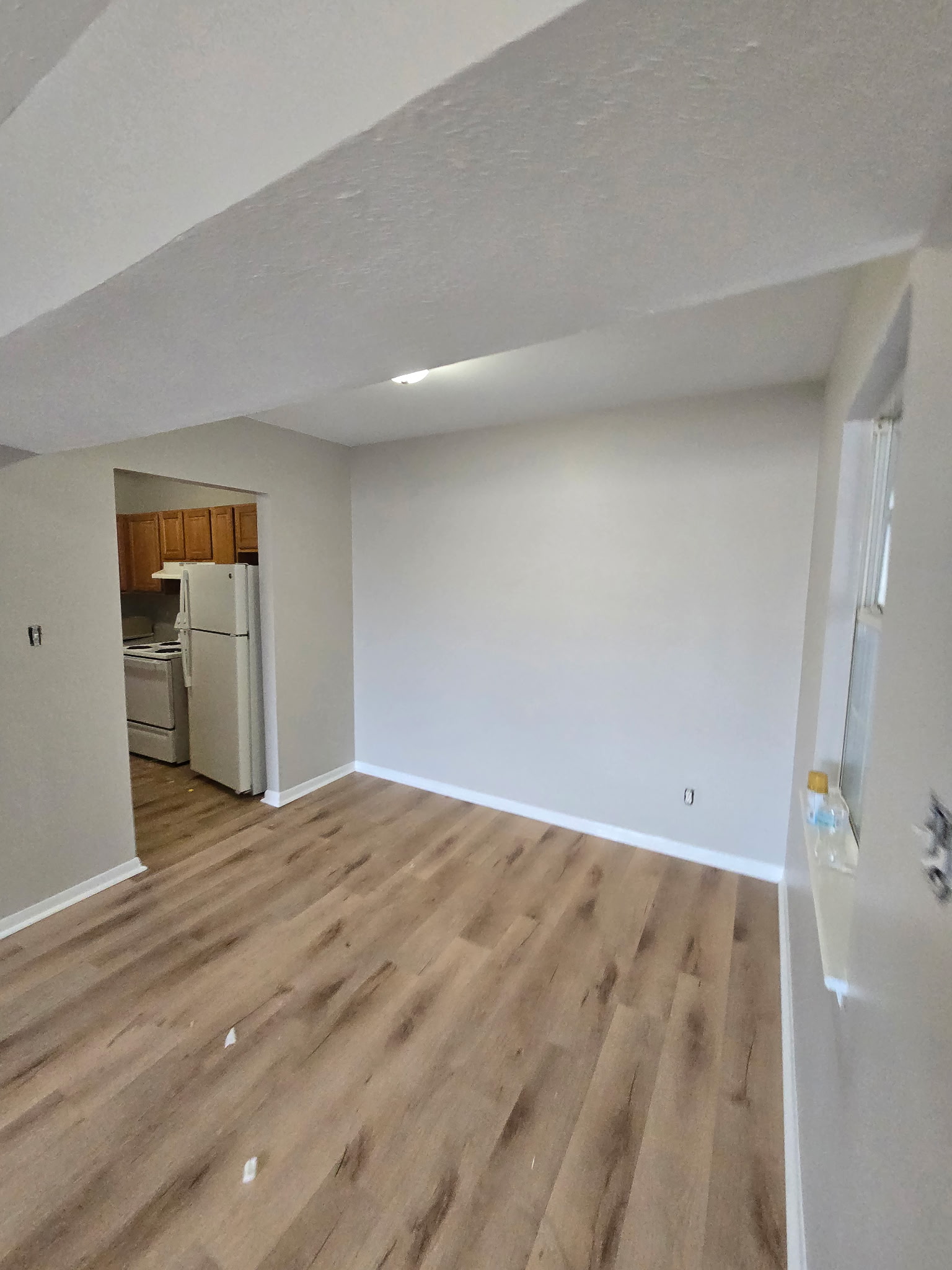
A good contractor will clean, sand, repair, and prime before applying finish coats. They'll check for moisture issues on exteriors. They'll address cracks, peeling, and imperfections before they become your problem.
Skipping prep saves time on the front end. It shows up later as peeling, bubbling, and callbacks.
Ask how they approach preparation. If the answer is short, the work might be too.
7. Communication Style Predicts Project Experience
Pay attention to how contractors respond before you've hired them. That's often the best version of their communication you'll see.
Are they prompt? Clear? Do they answer questions directly?
A contractor who's hard to reach during the quoting phase won't suddenly become responsive once the job starts. Professionalism in early conversations usually carries through to the work itself.
8. Material Quality Affects Longevity
Not all paints are created equal. The difference between a budget option and a premium product shows up in coverage, durability, and how the finish holds over time.
Ask what brands they use and why. A contractor who can explain their material choices is one who's thought about them.
This matters especially for high-traffic areas, rentals, and exteriors exposed to Indiana's variable weather.
9. Warranty Terms Should Be Clear and Written
A verbal promise to "take care of it" isn't a warranty.
Look for written terms that specify:
Duration of coverage
What's included (peeling, cracking, bubbling)
Process for making a claim
Reputable contractors stand behind their work. They put it in writing because they expect the work to hold up.
10. Down Payment Expectations Vary: Know the Norms
A small deposit to secure scheduling is reasonable. A request for 50% upfront before any work begins is a red flag.
Industry norms in Indianapolis typically fall between 10% and 20% down, with the balance due upon satisfactory completion.
If someone asks for significantly more, ask why. And get the payment terms in your contract.
A Few Final Observations
Hiring a painting contractor is a decision about more than paint. It's about time, trust, and the condition of a property you care about.
The best contractors make the process feel simple. They communicate clearly, prepare thoroughly, use quality materials, and deliver what they promised. They don't need to oversell because their work speaks.
The worst ones cost more than their invoice suggests: through delays, rework, and the mental overhead of managing a project that should have managed itself.
You don't need to become an expert in painting to hire well. You just need to ask the right questions and pay attention to the answers.
If you're evaluating contractors for a property in Indianapolis: whether it's a single unit or a portfolio: we're happy to answer questions or provide a quote. No pressure, no urgency. Just clarity.
Comments