


7 Apartment Turnover Painting Mistakes You're Making (and How to Fix Them)

Apartment turnover painting looks simple on paper. A few coats of paint, some touch-ups, and the unit is ready for the next tenant.
In practice, it rarely works out that way.
Most property managers and owners make the same handful of mistakes during turnover. These errors add days to vacancy timelines, inflate costs, and sometimes result in work that needs to be redone before the next tenant even moves in.
The good news is that these mistakes are predictable. Once you understand the logic behind each one, the fixes become obvious.
Here are seven of the most common turnover painting mistakes and what to do about them.
1. Using Different Paint Colors or Brands Across Units
This one seems harmless at first. You find a good deal on paint, or you have leftover cans from another project. Why not use them?
The problem shows up later.
When every unit has a slightly different shade or finish, touch-ups become impossible. You can't blend new paint into old paint if the colors don't match. So instead of touching up a few scuffs, you're repainting entire walls.
That bargain paint ends up costing more in labor than it ever saved in materials.
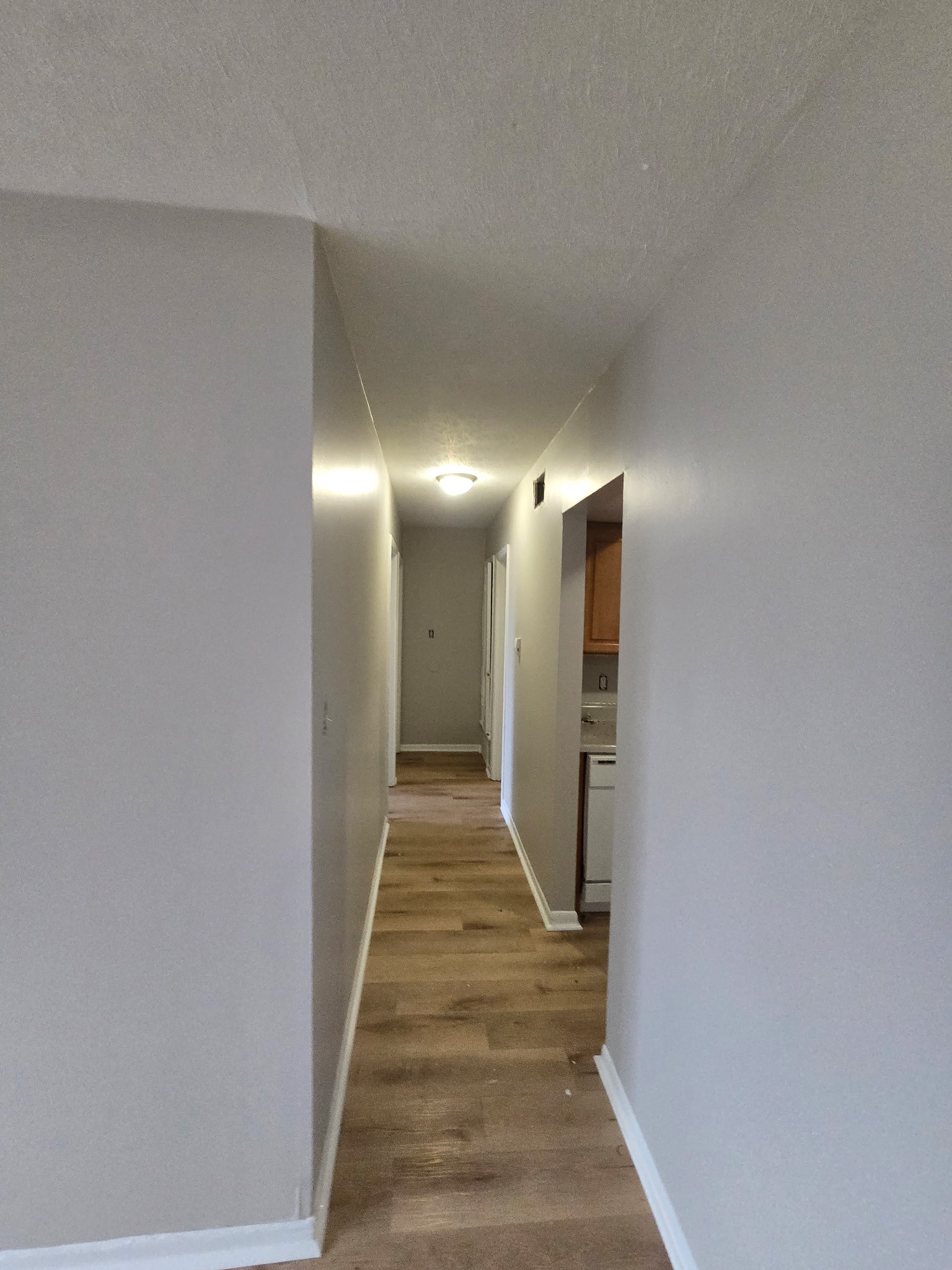
The fix: Standardize on one color across all your units. One brand, one finish, one shade. This turns full repaints into quick touch-ups and keeps your turnovers predictable.
2. Getting Paint Mixed at Different Locations
Even if you use the same color code every time, paint mixed at different stores or on different machines will have slight variations.
These differences are invisible in the can. They become very visible on the wall.
You'll notice it most when doing touch-ups. The new paint dries just a shade off from the existing paint, and the patch stands out instead of blending in.
The fix: Use the same supplier and request the same mixing machine every time. It sounds excessive, but the consistency it provides eliminates one of the most frustrating variables in turnover painting.
3. Poor Feathering Technique on Touch-Ups
Touch-ups should be invisible. Most aren't.
The typical approach is to paint over the damaged area and stop at the edges. This creates a visible outline where the new paint meets the old. It looks like a patch because it is a patch.
The fix: After covering the damaged area, feather the paint outward. Use a light touch and roll in multiple directions over the surrounding wall. You're creating a gradual transition rather than a hard edge.
Done correctly, the touch-up disappears once it dries. Done incorrectly, you've just added another problem to fix.
4. Painting Around Switch Plates and Socket Covers
Painting around electrical plates with a brush is slow, tedious, and rarely clean.
Paint gets on the plates. Lines are uneven. And you spend far more time cutting in around each outlet than the task deserves.
The fix: Remove the plates before you start painting. It takes seconds with a screwdriver. You get cleaner lines, faster coverage, and no paint on the hardware.
While the plates are off, it's also a good opportunity to clean them or replace any that are cracked or yellowed. Small details like this contribute to the overall impression of a well-maintained unit.
5. Using Different Colors for Walls and Ceilings
This is a common approach in residential painting. Walls get one color, ceilings get white, and you spend considerable effort keeping them separate.
For turnover painting, this creates unnecessary complexity.
Every time you roll near the ceiling, you risk getting wall color where it doesn't belong. And if the ceiling ever needs touch-ups, you're now managing two paint inventories instead of one.
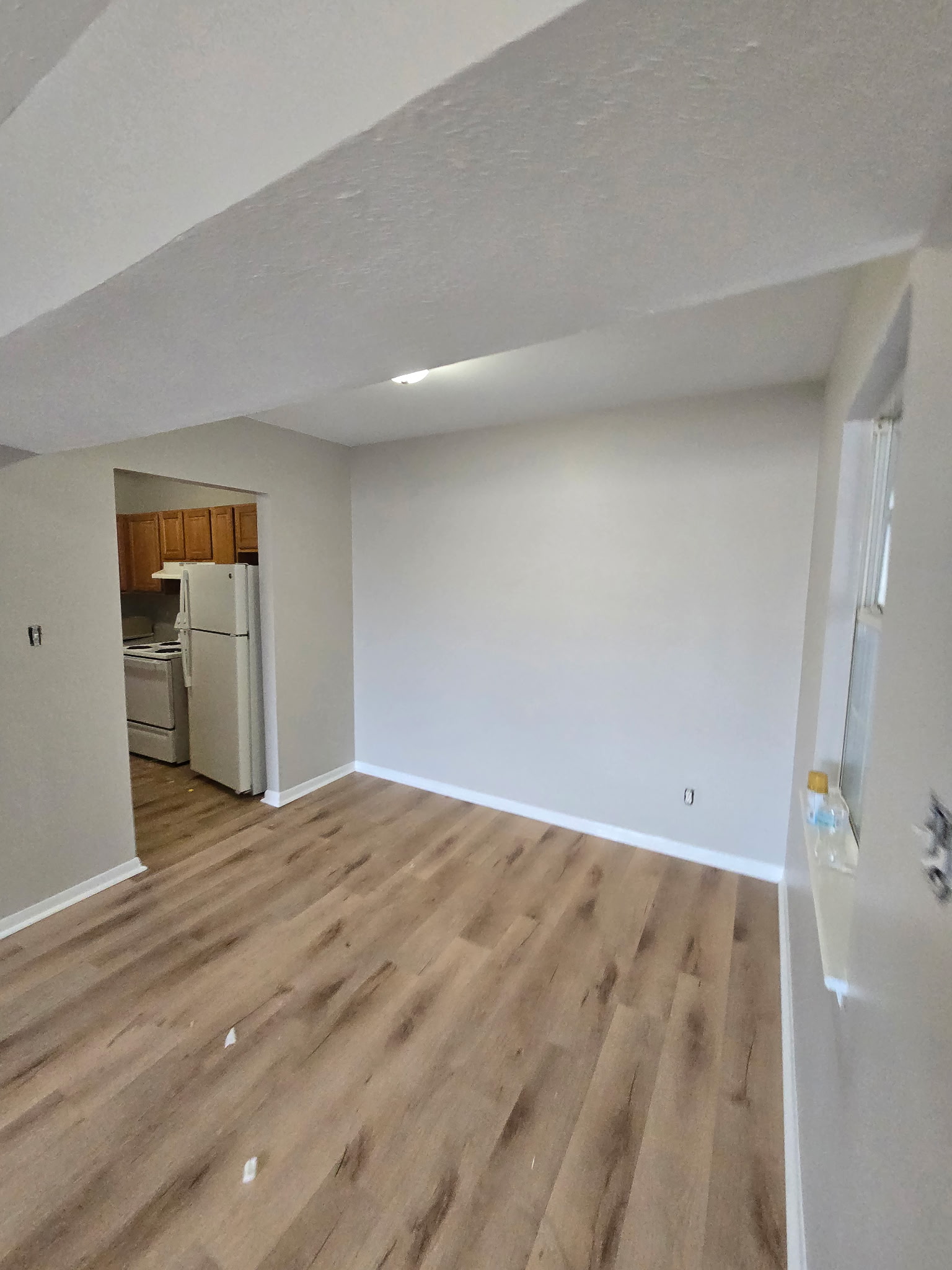
The fix: Paint walls and ceilings the same color. A consistent off-white or light neutral works well in most rental units. It simplifies the process, eliminates cutting-in errors, and makes future maintenance easier.
This approach also tends to make spaces feel larger and brighter, which rarely hurts when showing a unit.
6. Ignoring Temperature During Painting
Paint behaves differently at different temperatures.
Too cold and it won't adhere properly. Too warm and it dries before you can work with it. Fluctuating temperatures during the drying process can cause uneven finishes and color matching problems.
Most people don't think about this. They paint whenever the unit is vacant, regardless of conditions.
The fix: Keep the temperature between 70 and 75 degrees Fahrenheit while painting and during the drying period. This gives the paint optimal conditions to cure evenly and match existing work.
In Indianapolis, this matters more than in some climates. Winters are cold, summers are humid, and both can affect paint performance if you're not paying attention.
7. Skipping Paint to Save Money
This is the most consequential mistake on the list.
The logic seems reasonable. If the walls look okay, maybe you can skip painting and just wipe them down. You'll save on materials and labor, and the unit will turn faster.
In practice, this approach tends to attract lower-quality applicants and creates trust issues with tenants who notice the shortcuts.
A unit that looks "good enough" often doesn't photograph well, doesn't show well, and doesn't rent as quickly as one that's been properly prepared. The savings on paint get eaten up by extended vacancy.
The fix: Plan for full or near-full repainting on most turnovers. Industry estimates suggest 85 to 90 percent of vacated units benefit from a complete repaint.
Painting can represent a significant portion of turnover costs. But it's also one of the most visible signals of quality to prospective tenants. Skipping it saves money in the short term and costs more in the long term.
The Underlying Pattern
If you look at these seven mistakes, they share a common thread.
Each one is an attempt to save time or money that ends up costing more of both. Different paint colors save money until touch-ups require full repaints. Painting around outlet covers saves setup time until you're spending twice as long cutting in. Skipping paint entirely saves labor until the unit sits vacant for an extra week.
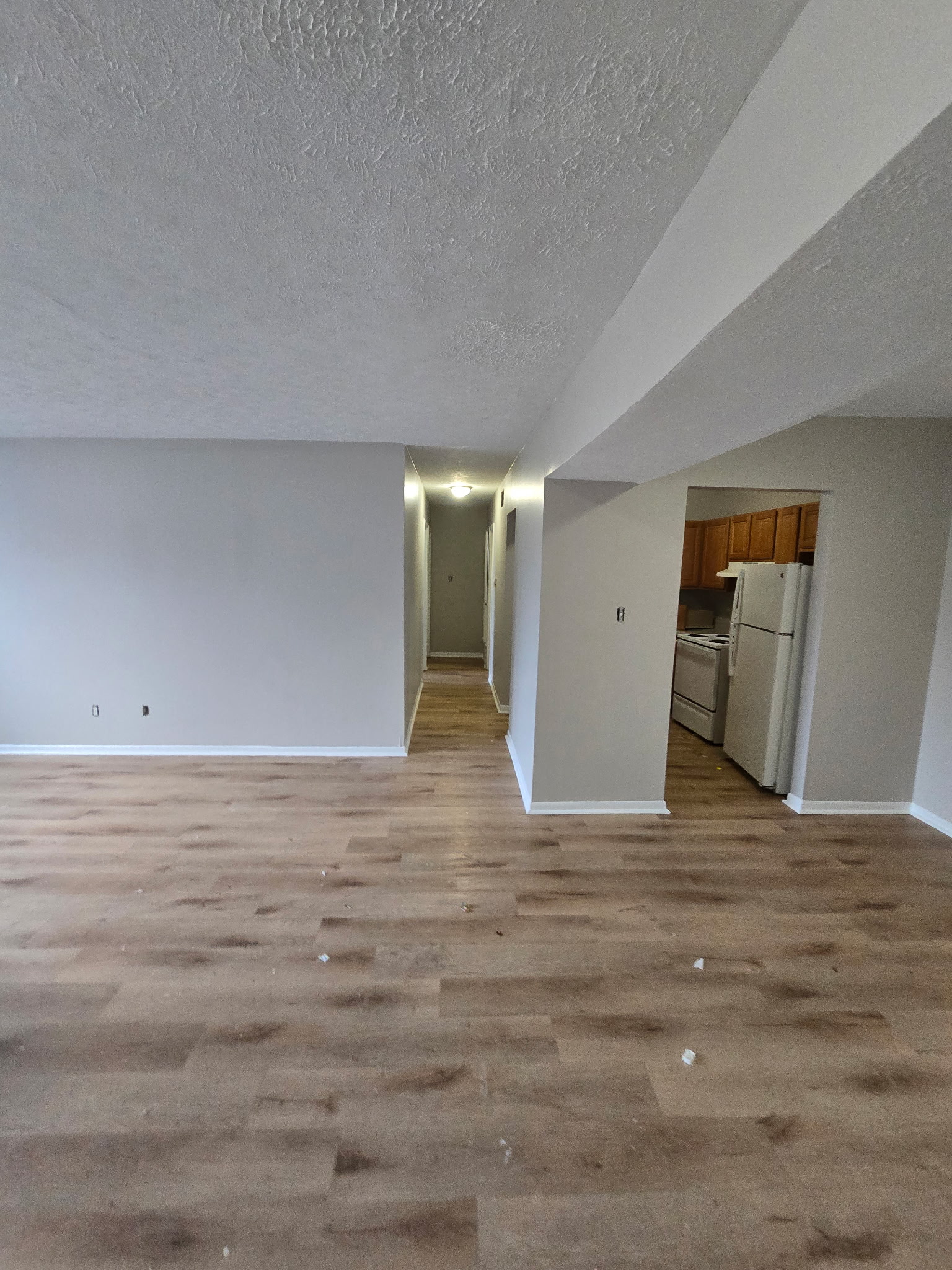
The efficient approach is usually the systematic one. Same color, same supplier, same process, every time. It's less exciting than finding shortcuts. It's also more reliable.
A Note on Execution
Understanding these mistakes is straightforward. Implementing the fixes consistently across multiple units, multiple turnovers, and multiple years is where things get complicated.
Some property managers handle this in-house. Others find that the coordination required doesn't justify the time it takes away from higher-value activities.
There's no universal right answer. It depends on your portfolio, your team, and how you prefer to spend your attention.
If turnover painting is something you'd rather not think about, that's a reasonable position. The information here is useful whether you apply it yourself or use it to evaluate the people you hire.
Sanz Global provides turnover painting services for property managers and owners throughout Indianapolis. If that's ever relevant to your situation, the option is there.
Comments